August 19, 2026
Utah Multifamily Market Trends 2026: What Investors Need
Discover key trends in Utah's multifamily market for 2026. Learn where to invest smartly and optimize your rental strategies for better returns.
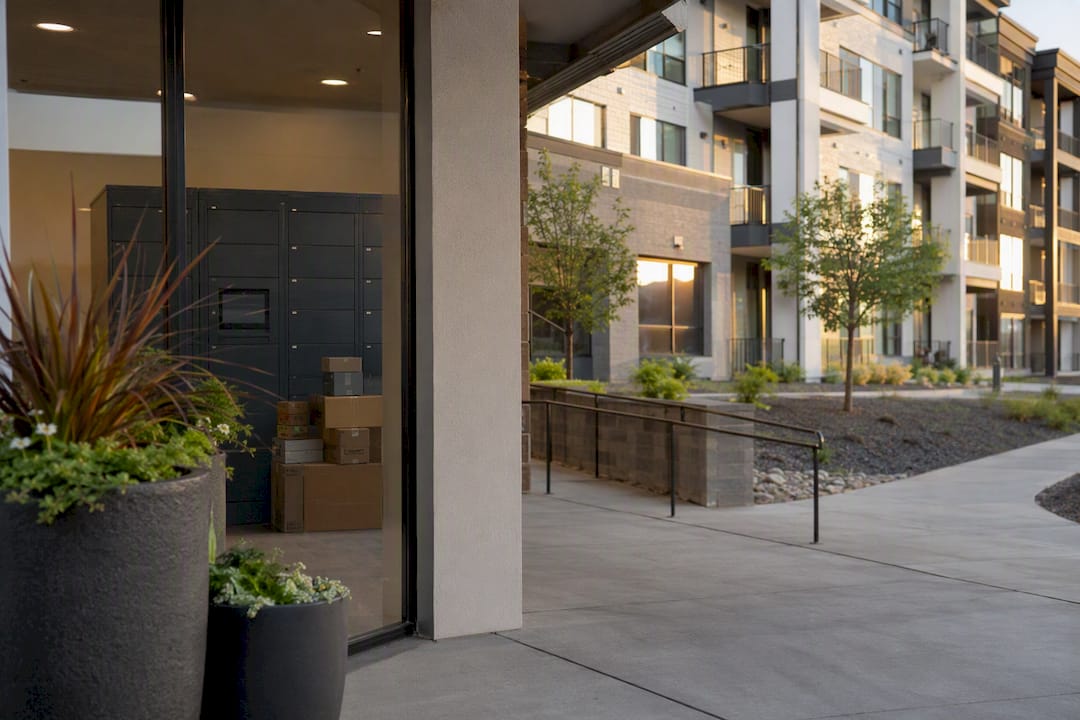
Utah multifamily market trends for 2026 point to a market stabilizing after two years of oversupply: rents in suburban submarkets are already climbing, downtown Salt Lake City is still absorbing a glut of new units, and lenders are underwriting deals far more conservatively than they were in 2022. If you’re deploying capital this year, three moves matter most.
- Target suburban submarkets first. South Jordan/Riverton and Orem are outperforming the metro average, while downtown faces ongoing absorption challenges.
- Tighten your absorption assumptions. Underwrite lease-up timelines with a cushion, not the fastest-case scenario.
- Fix operations before you fix rent. NOI gains in 2026 come more from retention and expense control than from rent growth alone.
Pro Tip: Pull submarket-level data before you trust a metro-wide headline number. A citywide occupancy figure can mask a downtown core that’s still bleeding concessions.
Key Takeaways
Utah’s 2026 multifamily market rewards suburban submarket focus, conservative underwriting, and operational NOI improvements over bets on aggressive rent growth.
| Point | Details |
|---|---|
| Suburban submarkets lead | South Jordan/Riverton and Orem posted 2.2% and 1.8% rent gains while downtown lags. |
| Supply pipeline is thinning | 2026 completions trail the 2023 to 2025 peak, setting up rent recovery later in the year. |
| Lenders want conservative underwriting | Expect 60% to 65% LTC ceilings and stress-tested lease-up schedules on construction loans. |
| Housing costs push rental demand | Salt Lake County’s $645,000 median home price keeps renters renting longer. |
| Operational fixes protect NOI | Locker Solutions’ package systems help cut turnover and staff time tied to delivery handling. |
Table of Contents
- Utah Multifamily Market Trends 2026: The Headline Numbers
- Which Utah Submarkets Are Winning in 2026?
- Is the Utah Apartment Supply Pipeline Finally Slowing?
- What’s Driving Multifamily Demand in Utah Right Now?
- How Are Pricing and Transaction Activity Shifting in 2026?
- What Do Lenders Want to See Before Financing a Deal in 2026?
- Where Should Investors Put Capital in 2026?
- How Can Operators Improve NOI Without Chasing Rent?
- Protecting NOI With Smarter Package Operations
- Sources
Utah Multifamily Market Trends 2026: The Headline Numbers
The story right now is a market caught between a supply hangover and an approaching recovery. Salt Lake City has ranked among the highest per-capita apartment delivery markets in the country over the past few years, and that wave of new units is still working through lease-up in 2026. But the pipeline behind it has thinned considerably, and brokerage forecasts increasingly agree that occupancy is bottoming out.
| Metric | 2026 Reading |
|---|---|
| South Jordan/Riverton rent growth | +2.2% year over year |
| Orem rent growth | +1.8% year over year |
| Salt Lake County median home price | approximately $645,000 as of Q2 2026, showing year-over-year increase |
| 2026 completions vs. prior years | Materially lower than 2023 to 2025 peak |
| Downtown vacancy share | Roughly one third of metro vacant units |
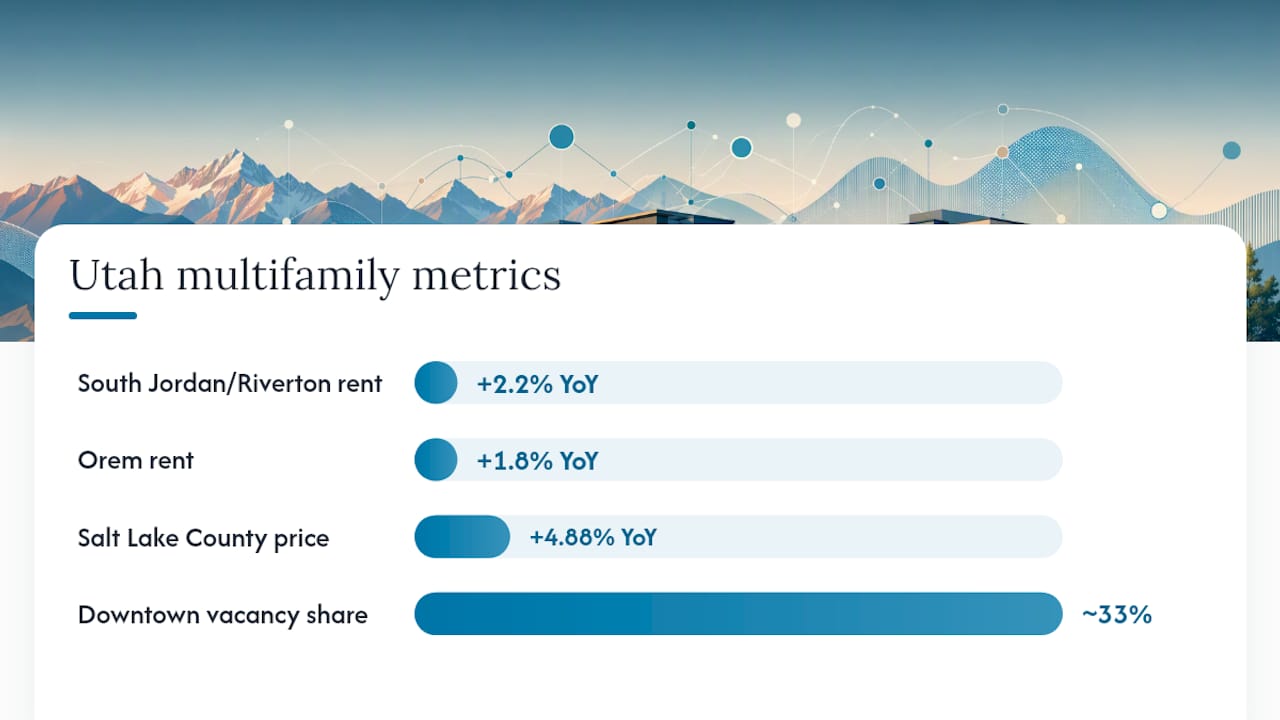
South Jordan/Riverton and Orem posted annual rent gains of 2.2% and 1.8% respectively in early 2026, according to NorthMarq. Meanwhile, Salt Lake County’s median single-family home price hit $645,000 in Q2 2026, up 4.88% year over year. That gap between ownership costs and rent keeps renters renting longer, which supports absorption even while the supply pipeline finishes clearing.
Which Utah Submarkets Are Winning in 2026?
Not every corner of the Wasatch Front is playing the same hand. Suburban submarkets with limited new supply are already showing rent momentum, while downtown Salt Lake City remains the market’s problem child.
- South Jordan/Riverton: Rent gains of 2.2% year over year, driven by constrained new supply and steady household formation.
- Orem: Rent growth of 1.8%, benefiting from spillover demand from the Provo/Orem tech and education corridor.
- Layton/Ogden: Holding steadier occupancy thanks to a thinner development pipeline than the core metro.
- Downtown Salt Lake City: Still absorbing the bulk of recent deliveries, with roughly one third of the metro’s vacant units concentrated there.
Pro Tip: A metro-wide occupancy stat can hide a submarket that’s still bleeding concessions. NorthMarq’s own research team has flagged that deep-dive submarket analysis, not headline averages, is what’s separating winning deals from stalled ones this cycle.
Is the Utah Apartment Supply Pipeline Finally Slowing?
Deliveries are still landing in 2026, but the volume is a fraction of what hit the market during the 2023 to 2024 peak. Fewer construction starts over the past two years mean fewer units competing for renters heading into 2027.
- New construction starts fell sharply through 2024 and 2025, thinning the 2026 to 2027 pipeline.
- Downtown Salt Lake City still carries the largest share of unleased new product.
- Suburban submarkets face comparatively little new competition this year.
MMG’s 2026 forecast expects supply pressure to ease materially this year, with occupancy holding near current levels and rent declines decelerating before turning positive later in 2026. That timeline matters for anyone pricing a lease-up asset: patience through midyear tends to pay off once the pipeline thins further.
What’s Driving Multifamily Demand in Utah Right Now?
Utah’s demand fundamentals haven’t weakened, even while supply overshot. Job growth tied to Silicon Slopes tech firms, health systems, and higher education keeps pulling renters into the Wasatch Front, and homeownership costs are pushing even more households toward renting.
- Tech and health care employment anchors demand in Salt Lake, Utah, and Davis counties.
- Student and workforce housing near Provo/Orem sustains steady turnover and lease-up velocity.
- Priced-out buyers feed rental demand as the median home price climbs toward $645,000.
Renters facing that math simply stay renters longer, which is exactly the kind of demand tailwind that offsets a slow lease-up quarter.
How Are Pricing and Transaction Activity Shifting in 2026?
Values across most Class B and C assets remain off their 2022 peak, and cap rates have stayed elevated as buyers price in higher debt costs and slower rent growth than a few years ago.
- Stabilized suburban assets are commanding tighter pricing than lease-up product downtown.
- Transaction volume is picking up gradually as sellers accept post-peak valuations rather than holding out.
- Buyers are still asking for concessions on properties with heavy downtown supply exposure, while paying closer to full price for stabilized suburban deals.
Watch transaction counts more than headline cap rates this year. A steady uptick in closed deals, not just quoted pricing, is the real signal that institutional capital is coming back off the sidelines.
What Do Lenders Want to See Before Financing a Deal in 2026?
Lenders have gotten a lot more particular about what they’ll fund, and that shows up clearly in how construction loans are being structured this cycle.
- Exit credibility. Sponsors need a documented, market-supported takeout plan, not just a pro forma assumption.
- Stress-tested lease-up schedules. Lenders want absorption timelines modeled against a slower case, not the best case.
- Loan-to-cost ceilings. Expect construction loans capped in the 60% to 65% range rather than the more generous terms available a few years back.
- Interest reserve sizing. Reserves need to cover the full construction period plus a lease-up cushion, not just the build timeline.
A recent $11 million ground-up multifamily construction loan in Salt Lake City illustrates the pattern: the lender required an LTC ceiling in the 60% to 65% range, meaningful sponsor equity, and an interest reserve sized to cover construction plus an absorption cushion.
Lenders now prioritize exit credibility and cost certainty above almost everything else. Sponsors who show up with an underwritten takeout scenario and a stress-tested lease-up plan clear financing faster than those relying on optimistic rent comps.
For acquisitions, the same logic applies: lenders are underwriting to current in-place rents, not projected rent growth, so bring conservative numbers to the table before they ask for them.
Where Should Investors Put Capital in 2026?
The winning playbook this cycle rewards patience and operational focus over aggressive rent growth bets.
- Suburban core value-add. South Jordan/Riverton and Orem properties with dated interiors offer upside without lease-up risk.
- Small multifamily income plays. Duplex to fourplex assets in tight suburban pockets carry less financing complexity and steadier cash flow.
- Selective ground-up in constrained submarkets. Only where local supply is genuinely thin, given how conservative lender underwriting has become.
Do this now: pull submarket-level rent and occupancy data before you underwrite anything, stress-test your absorption assumptions against a slower case, and line up financing conversations early given tighter LTC ceilings. Garden-style suburban assets fit the value-add play best; Class A downtown product is the one category still working through excess supply.
How Can Operators Improve NOI Without Chasing Rent?
Rent growth alone won’t carry returns this year, so the properties winning on NOI are the ones cutting turnover and administrative drag. Package theft, slow delivery handling, and clunky resident access are small frictions that add up to real vacancy loss.
- Prioritize secure, 24/7 package pickup as a baseline resident expectation, not an amenity upgrade.
- Reduce staff hours spent logging and chasing packages manually.
- Track lease renewal rates against properties with and without automated package systems.
A property that cuts even a few hours of weekly staff time on package handling and avoids one or two turnover events a year from theft complaints often recoups the cost of a locker system within a single lease cycle.
Pro Tip: Tie package-management metrics directly into your leasing and retention KPIs. Operators who track it that way, rather than treating it as a maintenance line item, get a clearer read on what’s actually driving renewals.

How We Built This 2026 Forecast
This outlook draws on brokerage reports from NorthMarq and MMG Real Estate Advisors, local sales data from UCAOR, and lender case studies from Commercial Lending Solutions. Projections lean conservative given how quickly the supply picture has shifted over the past two years.
What We’d Prioritize If Deploying Capital Today
We’d favor suburban submarket deals with limited new supply and clear operational upside over downtown lease-up plays. Watch interest-rate trajectory and downtown absorption closely before committing capital there.
Protecting NOI With Smarter Package Operations
Every strategy in this forecast, from suburban value-add to lease-up patience, depends on protecting the NOI you already have, and package handling is one of the most overlooked leaks in that math. Reducing theft complaints and staff hours spent managing deliveries translates directly into fewer turnover events and lower payroll drag, which matters more in a year when rent growth is still modest.
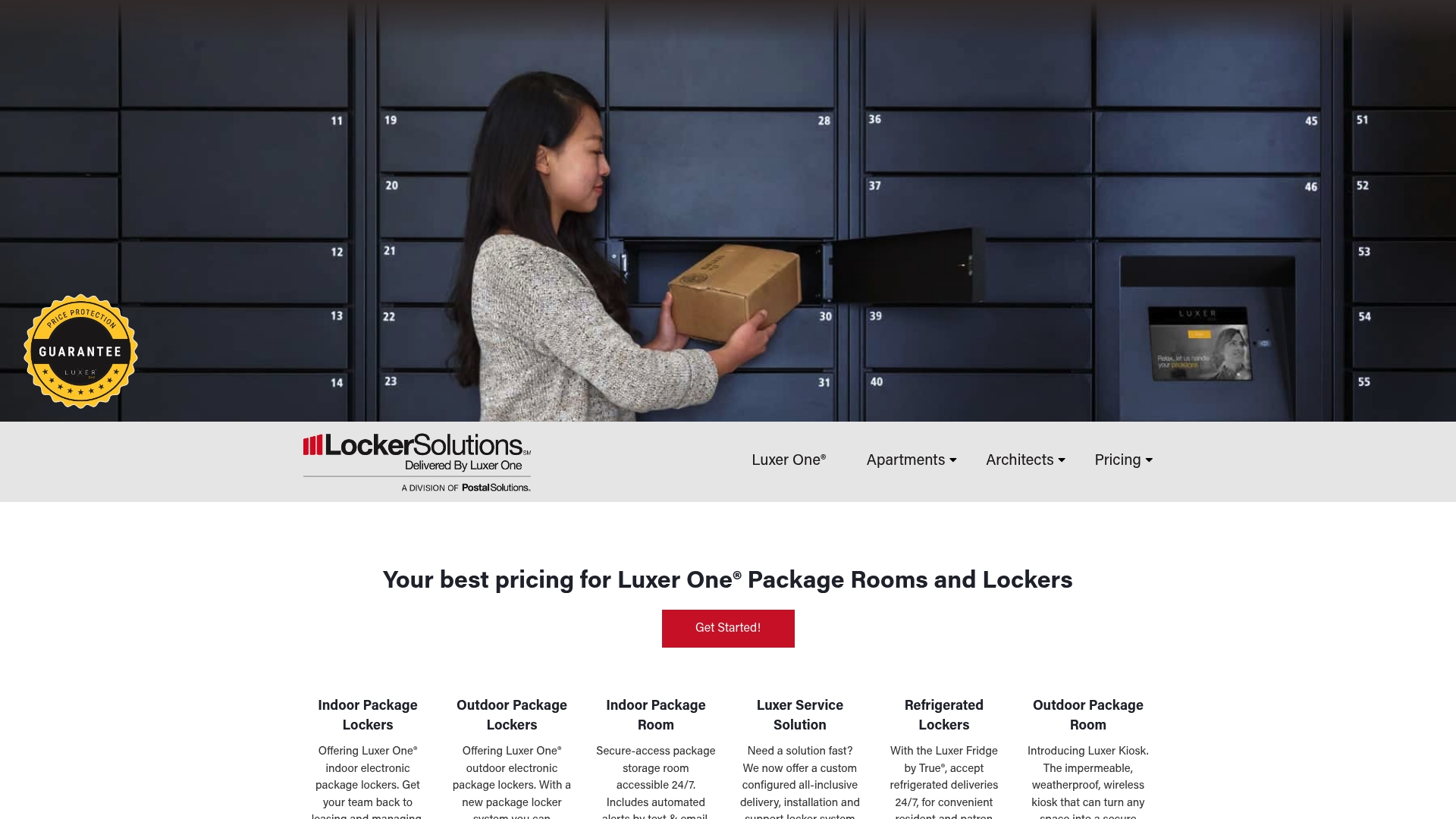
Locker Solutions works with multifamily owners and property managers across the country, including properties throughout Salt Lake City and the Wasatch Front, to install Luxer One® package lockers, refrigerated units, and automated package rooms sized for anything from a garden-style suburban property to a downtown high-rise still working through lease-up. If you’re weighing operational upgrades ahead of 2026 leasing season, the automated package room guide is a useful place to start, and the team can walk through configurations for your specific property. This article is informational, and package infrastructure is one optional lever among several for improving operating performance.
Sources
- Salt Lake City Multifamily Market demand outpaces supply in the first half — NorthMarq
- 2026 Salt Lake City Forecast — MMG Real Estate Advisors
- Case Study: $11,000,000 Multifamily Apartments, Salt Lake City, UT — Commercial Lending Solutions
- Prices up in Utah’s bipolar housing market — KSL
Recommended
- Common Utah Property Management Challenges: Owner’s Guide — Locker Solutions Blog
- Your essential multifamily amenities checklist for 2026 - Luxer One Locker Solutions
- Apartment ROI: Maximize Returns on Multifamily Properties — Locker Solutions Blog
- Locker Business Models for Multifamily Properties: 2026 — Locker Solutions Blog
Ready for a Luxer One® package locker quote?
Tell us your unit count and we'll send right-sized pricing with a fast response time.
Get my free quote