August 18, 2026
Georgia Renter Retention Strategies That Actually Cut Turnover
Discover effective Georgia renter retention strategies that reduce turnover costs. Start lease renewals early, manage maintenance well, and offer real...

The most effective retention approach for Georgia property managers is not a loyalty program or a giveaway. It is a disciplined operational cadence: start renewal outreach 90 days before lease end, close every maintenance loop with a timeline and follow-up, price increases against actual local comps instead of a flat percentage, and reserve real incentives for tenants worth keeping.
- 90 days out: Open the renewal conversation before the tenant starts browsing listings.
- Maintenance loop: Acknowledge every request, give a timeline, confirm when it’s done.
- Price with data: Check local comps first; 2 to 4 percent increases are typical, not automatic.
- Targeted incentives: Save discounts and upgrades for tenants with clean payment and lease histories.
Skip these and you’re looking at a real bill. Replacing a tenant in the Augusta metro area is a costly process that can run into several thousands of dollars., and that’s before you count the vacancy days.
Key Takeaways
Georgia renter retention works best when managers combine a 90/60/30 renewal cadence, disciplined maintenance communication, market-based pricing, and targeted incentives rather than one isolated tactic.
| Point | Details |
|---|---|
| Start early | Open renewal talks 90 days out and deliver a formal written offer by the 60-day mark. |
| Close the maintenance loop | Acknowledge, timeline, and confirm every repair; this drives renewals more than speed alone. |
| Price against real comps | Check local listings before applying a 2 to 4 percent increase instead of a flat portfolio-wide hike. |
| Target incentives by tenant score | Use a two-year discount or upgrade for tenants with strong payment histories, not every renewal. |
| Reduce package friction | Locker Solutions’ Luxer One® lockers and managed package rooms cut missed-delivery complaints that chip away at satisfaction. |
Table of Contents
- Tenant Onboarding, Move-In Experience, and Community-Building Tactics
- How Do Seasonal Trends Affect Georgia’s Rental Market?
- What Retention Tactics Have Worked for Georgia Property Managers?
- Why Do Renters Leave Georgia Rentals More in Some Areas?
- What Georgia Laws Govern Lease Renewals and Non-Renewals?
- Which Communication Channels Do Georgia Renters Actually Prefer?
- When Should You Choose Not to Renew a Lease?
- What Georgia Managers Get Wrong About Retention
- Cut Package Friction Before It Costs You a Renewal
- Frequently Asked Questions
- Sources
Tenant Onboarding, Move-In Experience, and Community-Building Tactics
Retention starts before a resident unpacks a single box. The move-in experience correlates with how long someone stays, largely because a smooth start reduces the early friction that generates maintenance tickets and frustration down the line. A thorough move-in checklist, digital paperwork, and a walkthrough that flags issues before they become complaints all pay off later.
Capture data from day one. Payment reliability, early repair requests, and initial satisfaction responses build a profile you’ll use months later when deciding who gets a renewal incentive and who doesn’t. Property managers who wait until month 10 to start thinking about retention are already behind.
Community building doesn’t require a packed events calendar. A welcome packet with local resources, a simple resident portal login, and a first-week check-in call go further than a pool party nobody attends. For Georgia properties specifically, orienting new residents to seasonal realities (hurricane season prep along the coast, pollen season HVAC filter swaps in Atlanta) shows operational competence, not just hospitality.
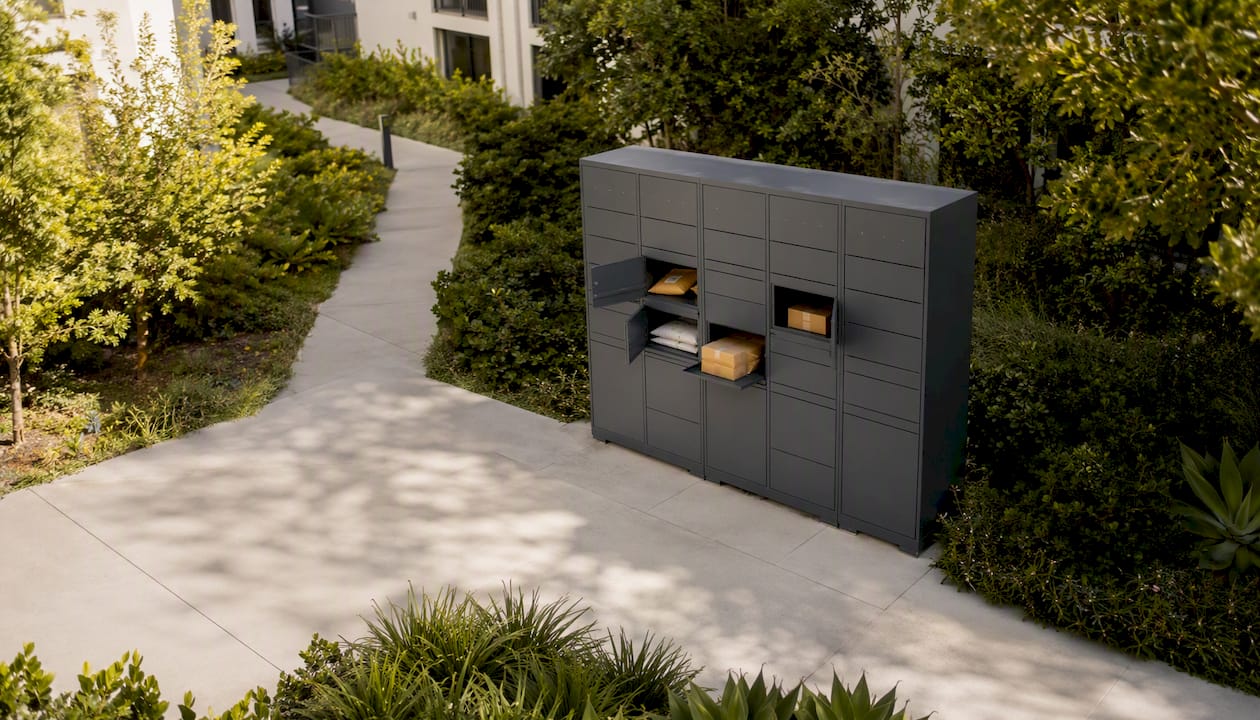
Package handling belongs in this conversation too. A new resident’s first bad experience is often a lost or stolen delivery in the first two weeks, before they’ve even met the leasing staff. Properties that solve this early, through secure package delivery infrastructure, remove one of the most common early friction points before it becomes a pattern of complaints.
How Do Seasonal Trends Affect Georgia’s Rental Market?
Georgia’s rental market moves with the calendar more than many managers give it credit for. Summer, roughly May through August, is peak leasing season statewide, driven by school-year transitions and corporate relocations timed around the academic calendar. Renewal conversations that land during this window carry more leverage for the tenant, because they know units lease fast and alternatives are competitive.
Winter tells a different story. Demand softens from November through February, and vacancies linger longer. If your lease expirations cluster in the slow months, that’s actually a retention advantage. A tenant weighing a winter move against a smooth renewal offer usually chooses the path of least resistance.
Coastal and southern Georgia markets add hurricane season into the mix, roughly June through November. Renters near Savannah or Brunswick often factor storm risk and insurance costs into renewal decisions, so proactive communication about property preparedness and past storm response builds real trust.
Atlanta metro areas see a secondary bump tied to corporate relocation cycles and university calendars, particularly late summer. Managers who stagger lease start dates to avoid a single high-stakes summer renewal crunch spread risk more evenly across the year. If you control lease timing at all, nudging a spring-expiring lease toward a fall or winter renewal date can shift negotiating leverage in your favor the next time around.
What Retention Tactics Have Worked for Georgia Property Managers?
The pattern among managers who’ve meaningfully improved renewal rates isn’t exotic. It’s consistency applied to boring things. Properties in the Augusta metro that adopted a structured 90/60/30 day renewal cadence, offering the renewal 90 days out and a formal written offer at the 60-day mark, report smoother negotiations and fewer last-minute vacancies than properties that send a single renewal letter 30 days before expiration.
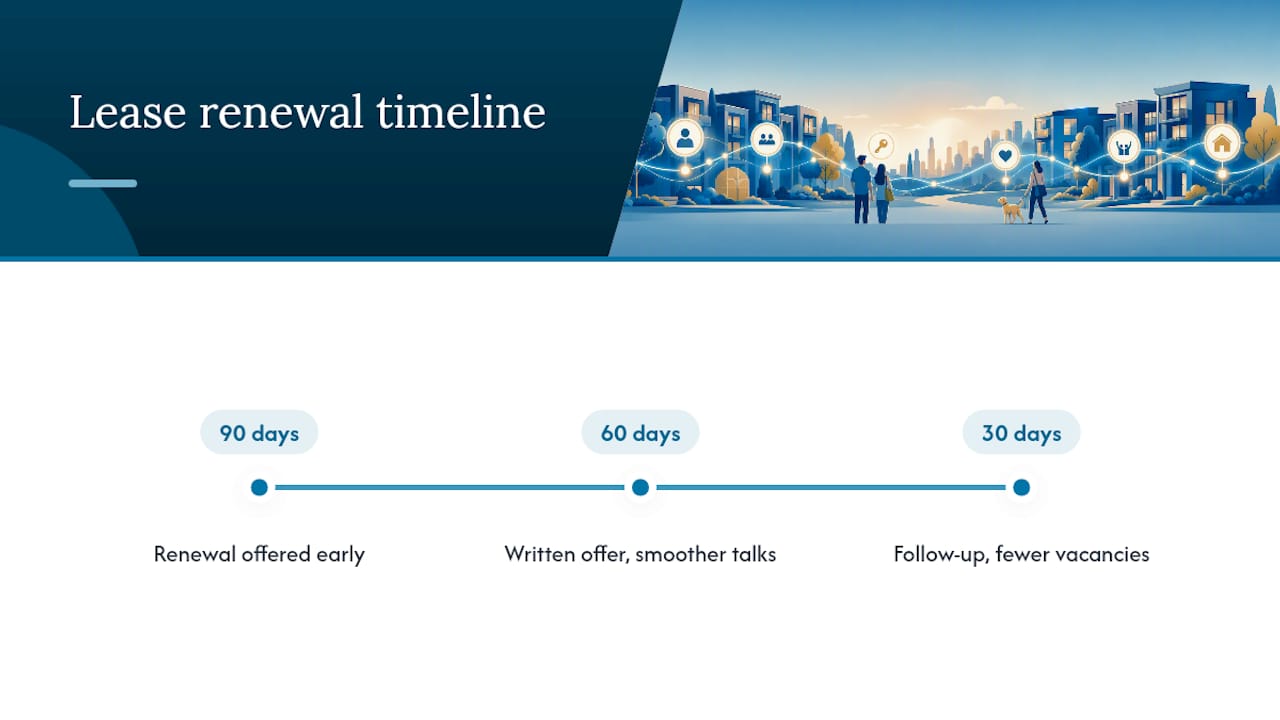
A common thread among Atlanta-area communities: pairing digital lease renewal tools with e-signature options shortens the decision window and reduces the back-and-forth that used to eat weeks of a leasing agent’s time. Residents who can review and sign a renewal from their phone during a lunch break are far more likely to act before they start browsing listings out of habit.
Smaller, targeted incentives have also outperformed blanket concessions in practice. Rather than discounting every renewal, some managers reserve modest monthly credits or minor unit upgrades for tenants with strong payment histories and multi-year potential. A $25 to $50 monthly discount tied to a two-year commitment costs a fraction of what a single Augusta-area turnover runs, and it targets the residents worth retaining rather than subsidizing everyone equally.
The common denominator across these examples isn’t a single tactic. It’s treating renewal as a structured process with deadlines, not a reactive scramble that starts when a lease is already 30 days from expiring.
Why Do Renters Leave Georgia Rentals More in Some Areas?
Turnover in Georgia isn’t evenly distributed, and the reasons trace back to demographics and local economics as much as anything a property manager controls directly. Metro Atlanta’s transient professional workforce, tied to corporate relocations and a large concentration of one-to-two-year contract assignments, produces naturally higher churn than smaller markets like Augusta or Macon, where renters skew toward longer-tenure households.
Income volatility plays a role too. Renters in service and hospitality-heavy submarkets feel rent increases more acutely than salaried professionals, and even modest hikes can push a marginal renewal decision toward “let’s look elsewhere.” This is part of why blanket percentage increases across an entire portfolio create more turnover risk in some unit types than others.
Student and university-adjacent housing markets, common around Athens and other college towns, carry structural churn that has nothing to do with service quality. Nobody’s satisfaction survey fixes a four-year graduation timeline.
Aging renter households and the shift toward remote work have also changed the calculus. Renters no longer tied to a downtown Atlanta office commute have more geographic flexibility, which means competing on price alone is a weaker strategy than it used to be. Competing on convenience, responsiveness, and amenities that reduce daily friction matters more when a renter genuinely could live anywhere.
What Georgia Laws Govern Lease Renewals and Non-Renewals?
Georgia gives property managers real latitude compared to more tenant-protective states, but the notice mechanics still have to be followed precisely. If a landlord decides not to renew a lease, Georgia law requires 60 days’ written notice before the lease term ends. Miss that window and you may find yourself locked into an unintended renewal cycle or a messier holdover situation than you planned for.
If a lease expires without a new agreement or a proper non-renewal notice, the tenancy typically converts to month-to-month, which then requires 30 days’ notice from either party to terminate. This is a common trap for managers who let a renewal decision drift past the expiration date without formalizing anything in writing.
None of this changes based on why you’re choosing not to renew, but documentation matters enormously if the decision could ever be challenged. Georgia doesn’t require landlords to state a reason for non-renewal in most cases, but a clean paper trail protects you regardless. Keep dated records of lease violations, maintenance disputes, or payment issues as they happen, not reconstructed later from memory when a notice gets challenged.
Which Communication Channels Do Georgia Renters Actually Prefer?
The email newsletter era of resident communication is largely over. Most renters now expect digital-first contact, and 79% prefer messaging through direct message, text, or digital chat rather than phone calls or physical mail. If your renewal process still relies on a printed letter mailed 30 days out, you’re already behind where your residents’ expectations sit.
Digital reminders sent 60 to 90 days before lease end, paired with e-signature capability, cut the friction that causes renewals to stall. A tenant who has to print, sign, scan, and email a paper renewal is a tenant who procrastinates. One who can tap “accept” on a portal notification during a commute usually does it that day.
That said, digital-first doesn’t mean digital-only. Phone calls still matter for sensitive conversations, disputed charges, maintenance escalations, or any non-renewal discussion where tone and empathy carry real weight. Reserve the phone for moments that need a human voice, and use text and portal messaging for everything routine, like maintenance updates, renewal reminders, and payment confirmations. Mixing channels without a clear logic behind which situation gets which channel is what makes communication feel inconsistent to residents.
When Should You Choose Not to Renew a Lease?
Not every tenant is worth keeping, and pretending otherwise wastes incentive budget on the wrong people. Chronic lease violations, documented noise complaints, repeated late payments beyond a grace period, or unauthorized occupants are legitimate grounds to let a lease expire rather than offer renewal terms.
The key operational discipline here is documentation timing, not documentation existence. A single late payment eight months ago means little. A pattern of three late payments in the final six months of a lease term, each logged with dates and amounts, gives you a defensible non-renewal decision if a tenant or their attorney ever pushes back.
Once the decision is made, the notice mechanics matter as much as the reasoning. Deliver the 60-day written non-renewal notice through a method that creates a paper trail, whether that’s certified mail, a portal message with a read receipt, or hand delivery with a signed acknowledgment. Verbal notice, even a firm one, doesn’t protect you if the situation escalates.
Weigh the turnover cost against the tenant cost honestly. A problem tenant with chronic maintenance disputes or payment issues can easily cost more in staff time and unit wear than a $2,000 to $4,000 Augusta-area replacement expense. Sometimes the retention strategy is knowing exactly who not to retain.
What Georgia Managers Get Wrong About Retention
Most retention advice treats renewal as a pricing problem. It isn’t, not primarily. We’d argue the biggest lever is response time on maintenance, not the size of a renewal discount.
Set a same-day acknowledgment standard for every maintenance request, even if the actual repair takes longer to schedule. Track lease expirations on a rolling 90-day dashboard instead of a monthly review, and give leasing staff a simple renewal script: state the offer, state the deadline, state what happens next. Score renewal readiness using payment history, maintenance request volume, and any documented violations, then direct incentive budget toward tenants who score well rather than spreading it evenly.
Pro Tip: Build a three-tier renewal readiness score (clean, watch, at-risk) using payment history and maintenance request patterns, then reserve real incentives for the “clean” tier. It costs less than guessing.
Cut Package Friction Before It Costs You a Renewal
Missed deliveries and cluttered mail rooms generate more resident complaints than almost any other single amenity failure, and every one of those complaints is a small dent in a renewal decision that gets made months later. Locker Solutions builds Luxer One® electronic package lockers, weatherproof outdoor kiosks, refrigerated units, and fully managed package rooms specifically for multifamily properties, with automated pickup alerts that tell a resident the moment a delivery arrives instead of leaving them to guess.
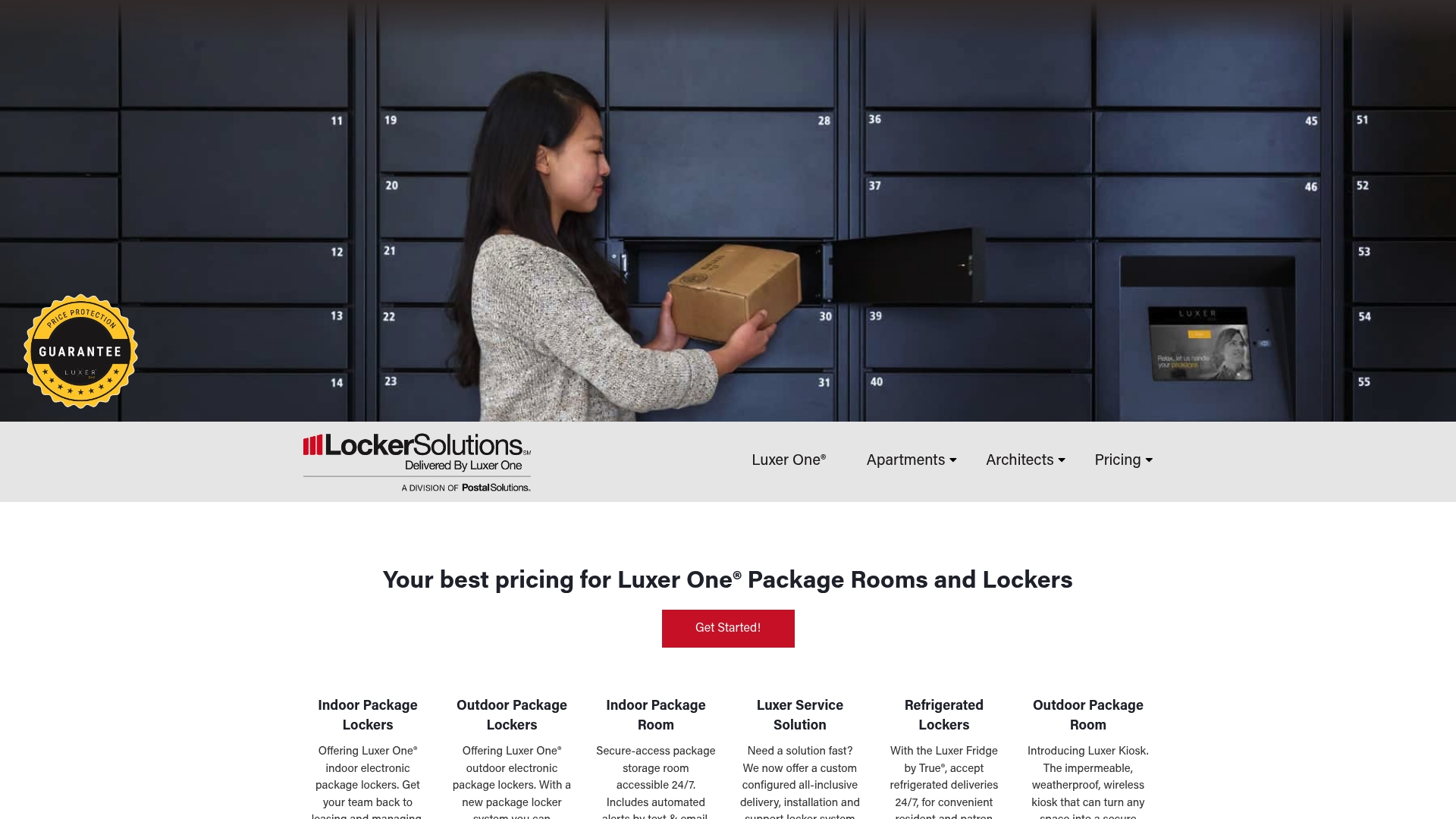
Fewer missed packages means fewer angry calls to your leasing office and fewer maintenance tickets logged as “package issue” instead of an actual repair. That’s staff time back in your day and one less friction point sitting between a satisfied resident and a signed renewal. Properties that pair automated package alerts with a fully managed package room service report fewer front-desk complaints tied to deliveries, which is exactly the kind of low-drama operational win that compounds over a lease term.
If package chaos is showing up in your resident satisfaction scores, start with the automated package room guide to see what fits your property’s size and layout, then request a configuration quote for your community.
Frequently Asked Questions
What is the best time to start renewal conversations with Georgia tenants? Begin outreach 90 days before lease expiration and follow with a formal written offer around the 60-day mark. This gives tenants enough runway to decide before they start browsing other listings.
How much should landlords raise rent on renewal in Georgia? Most Georgia markets see renewal increases in the 2 to 4 percent range, based on an actual check of local comparable listings rather than an automatic portfolio-wide percentage.
Do Georgia landlords have to give a reason for not renewing a lease? Georgia generally doesn’t require landlords to state a reason for non-renewal, but 60 days’ written notice is required, and clean documentation protects you if the decision is ever challenged.
What communication channel works best for renewal reminders? Digital channels, text, portal notifications, and e-signature options match how most renters prefer to communicate, while phone calls remain better suited to sensitive or disputed conversations.
Does package management really affect tenant retention? Missed or delayed deliveries generate a steady stream of resident complaints, and reducing that friction through secure locker systems or managed package rooms removes a recurring source of dissatisfaction that can quietly erode renewal decisions.
Sources
- Lease Renewal Strategies That Keep Good Tenants in Your Augusta-Area Rental | McBride Property Management
- How to Get Tenants to Renew Leases in Atlanta, GA | PMI Georgia
Recommended
- Georgia Apartment Upgrade Examples That Actually Move the Needle — Locker Solutions Blog
- Why Suburban Georgia Complexes Need Lockers: ROI Guide — Locker Solutions Blog
- Mixed-Climate Lockers in Georgia: What You Must Spec — Locker Solutions Blog
- Atlanta Area Amenity Benchmarks for Property Managers — Locker Solutions Blog
Ready for a Luxer One® package locker quote?
Tell us your unit count and we'll send right-sized pricing with a fast response time.
Get my free quote