August 1, 2026
Mixed-Climate Lockers in Georgia: What You Must Spec
Discover the role of mixed-climate lockers in Georgia to control moisture effectively. Learn key specifications for optimal performance.

In Georgia’s ASHRAE mixed-humid zones 2A and 3A, the role of mixed-climate lockers comes down to one non-negotiable: moisture control drives every other specification decision. Outdoor dew points are frequently high during summer months, and shoulder-season temperature swings create condensation inside locker compartments even when the air feels mild. The bottom-line recommendation for any property manager or developer: specify sealed, ventilated lockers with integrated dehumidification, corrosion-resistant hardware, and networked environmental sensors. Pair outdoor weatherproof kiosks or indoor automated package rooms with refrigerated compartments for perishables, and back the whole system with a preventive maintenance SLA.
Key climate risks at a glance:
- High latent load: cooling alone cannot remove enough moisture when systems short-cycle
- Seasonal dew-point swings trigger condensation on metal hardware and electronics
- Persistent humidity above 60% RH accelerates mold growth and corrosion on stored packages; ambient compartments should stay below 60% RH and 80°F to prevent spoilage and damage, consistent with climate-controlled storage practice for sensitive goods.
Table of Contents
- How does Georgia’s mixed-humid climate affect locker performance?
- What hardware and materials hold up in Georgia’s humidity?
- Why passive ventilation fails and what to use instead
- Drainage, power, network, and siting decisions
- Refrigerated lockers for grocery and perishable deliveries
- Maintenance, monitoring, and alerting schedules
- Retrofit vs. new-build: timeline and cost drivers
- Atlanta installation: what a real deployment looks like
- Software integration best practices for security and resident experience
- Georgia building code compliance for electronic lockers
- Training property management staff on locker operation
- Locker Solutions is built for Georgia’s mixed-humid conditions
- Key Takeaways
How does Georgia’s mixed-humid climate affect locker performance?
Georgia’s mixed-humid climate zones split the state between Zone 2A in the south and Zone 3A in the north, both defined by high latent loads that standard cooling equipment handles poorly. When an oversized or short-cycling HVAC unit satisfies the thermostat before pulling adequate moisture from the air, relative humidity inside a locker enclosure can climb fast. Packages warp, electronics corrode, and mold colonizes compartment walls within days.
The problem compounds in spring and fall. Outdoor air at 55°F can carry enough moisture to condense on metal surfaces cooled overnight, a condition passive ventilation slots cannot address.
What hardware and materials hold up in Georgia’s humidity?
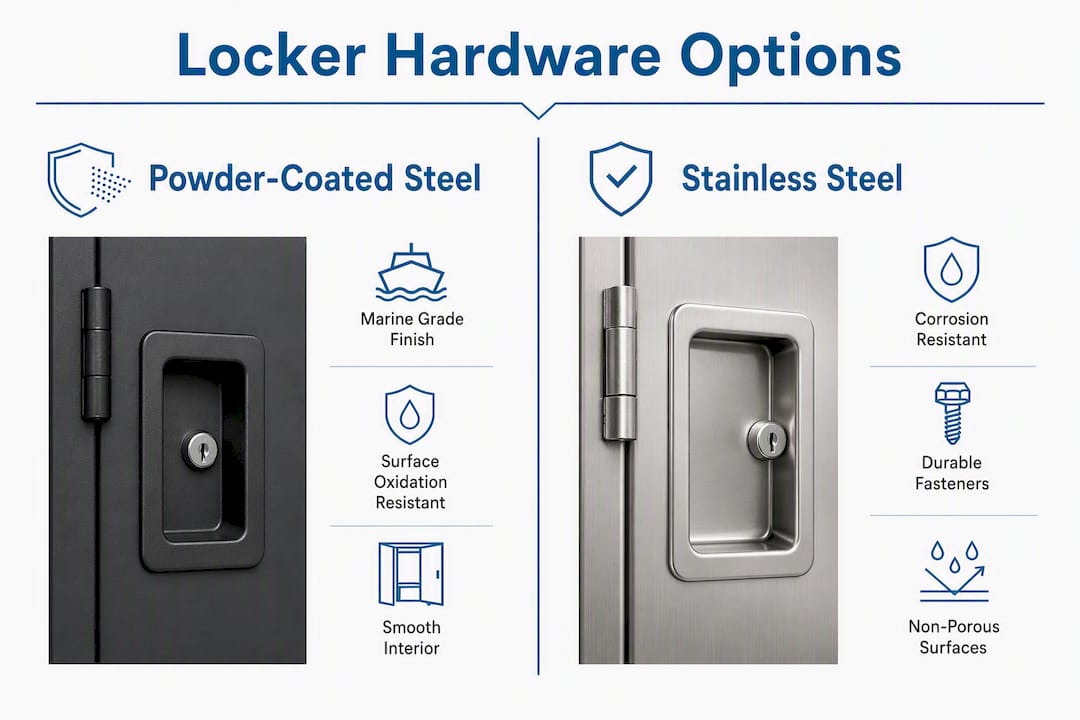
Powder-coated steel with a marine-grade finish resists surface oxidation, but stainless steel fasteners and hinges are the real durability differentiator. Gasket-sealed door frames prevent moisture infiltration at every access point. For outdoor locker installations, polycarbonate or powder-coated aluminum enclosures outperform painted mild steel within two to three seasons in Georgia’s coastal and piedmont counties.
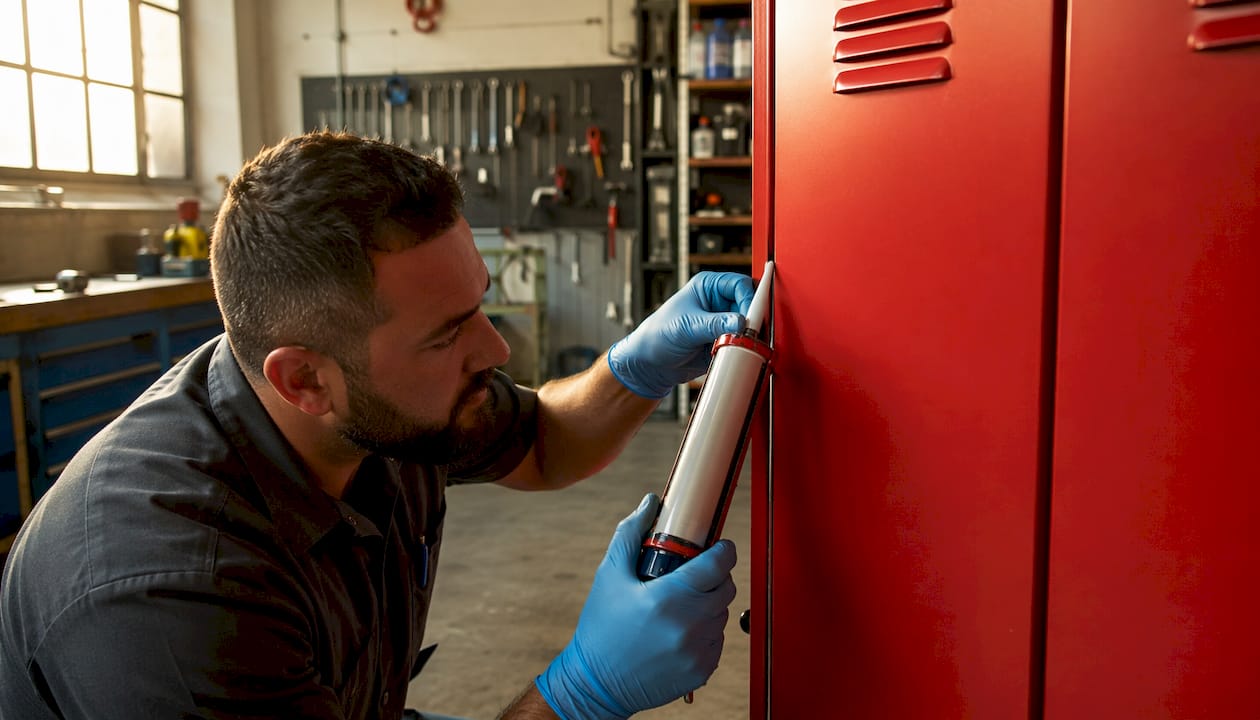
Interior compartment surfaces should be smooth and non-porous. Textured surfaces trap condensation and organic debris, creating ideal conditions for microbial growth. Humidity-resistant materials and rear ventilation channels are a baseline requirement, not an upgrade.
Why passive ventilation fails and what to use instead
Passive vents alone are insufficient in humid climates. When outdoor air carries more moisture than the locker interior, passive vents import the problem. Southface guidance recommends pairing an energy recovery ventilator (ERV) with a dedicated dehumidifier and sensor-based controls that throttle outdoor air intake when outdoor dew points are high. For locker rooms and enclosed kiosks, that logic applies directly: run dehumidification independently of the cooling cycle so humidity targets hold even when the thermostat is satisfied.
Central dehumidifiers integrated into air handler systems are increasingly standard in Southeast storage facilities for exactly this reason.
Drainage, power, network, and siting decisions
Outdoor kiosks need positive drainage away from the foundation and a weatherproof conduit for power and network runs. Indoor package rooms in conditioned lobbies avoid the worst latent load exposure but still require dedicated circuit capacity and a hardwired network drop. Siting outdoor units under a covered breezeway reduces direct rain exposure and extends hardware life noticeably.
For both configurations, the Georgia Energy Code (adopted via IECC through the Department of Community Affairs) requires Manual J load calculations and duct leakage testing at permit stages. Coordinate with your mechanical engineer before finalizing locker placement.
Refrigerated lockers for grocery and perishable deliveries
Grocery delivery has made refrigerated locker compartments a standard ask in new multifamily builds across Atlanta and its suburbs. Separate refrigerated compartments handle same-day grocery orders without cross-contaminating ambient package storage. The target for ambient compartments is to keep relative humidity below 60% RH and temperatures below 80°F to prevent spoilage and damage, consistent with climate-controlled storage practice for sensitive goods.
Maintenance, monitoring, and alerting schedules
Networked RH and temperature sensors inside locker enclosures give property managers real-time visibility and automated alerts before conditions reach a damaging threshold. Set alert thresholds at 60% RH and 80°F for ambient compartments, matching climate-controlled storage practice to avoid mold, warping, and corrosion for stored goods. Quarterly preventive checks should cover door gasket integrity, drain line clearance, dehumidifier filter replacement, and sensor calibration. Annual checks add corrosion inspection of fasteners and hinge hardware.
Retrofit vs. new-build: timeline and cost drivers
New-build installations benefit from pre-planned conduit, dedicated circuits, and mechanical rough-in, compressing the timeline to two to four weeks from delivery. Retrofits take longer because insulation, air sealing, and electrical capacity must be evaluated and often upgraded before mechanical systems can perform. Budget for a site assessment, envelope improvements, and potential panel upgrades as primary cost drivers in retrofit projects. Local millwork and door contractors, such as One Day Doors & Closets of Atlanta, can handle custom enclosure detailing when the installation requires finished interior integration.
Atlanta installation: what a real deployment looks like
A Locker Solutions installation at an Atlanta multifamily property demonstrated the full mixed-humid specification in practice: weatherproof Luxer One® outdoor kiosks with sealed enclosures, integrated dehumidification, and networked sensors feeding automated resident alerts. Staff workload dropped because the system handled package notification and access without front-desk involvement. The Atlanta case study is available to procurement teams on request through Locker Solutions.
Software integration best practices for security and resident experience
Connect your locker system to your property management software (PMS) via API so resident access credentials sync automatically at move-in and terminate at move-out. AI-powered label reading eliminates manual package logging. Video surveillance at each kiosk creates an audit trail for disputed deliveries. For larger properties, automated package rooms with managed services add a staffed layer during peak delivery windows. Smart locker software integration with PMS platforms is the single highest-leverage operational upgrade available to property managers today.
Georgia building code compliance for electronic lockers
Electronic lockers in Georgia fall under the International Building Code (IBC) as adopted by the Department of Community Affairs, with local amendments varying by county. Electrical installations require permits and inspections under the National Electrical Code (NEC). ADA accessibility requirements apply to resident-facing touchscreens and kiosk heights. Confirm current local amendments with your jurisdiction’s building department before finalizing specs. This article is general information, not legal or code compliance advice; verify current requirements with your local authority having jurisdiction or a licensed professional.
Training property management staff on locker operation
Staff training should cover four areas: daily package room monitoring, alert response protocols, resident troubleshooting scripts, and escalation contacts for hardware faults. A 90-minute onboarding session at installation, followed by a written quick-reference guide posted at the kiosk, covers most day-to-day scenarios. Locker Solutions provides installation-day training and ongoing support as part of its service offering.
Locker Solutions is built for Georgia’s mixed-humid conditions
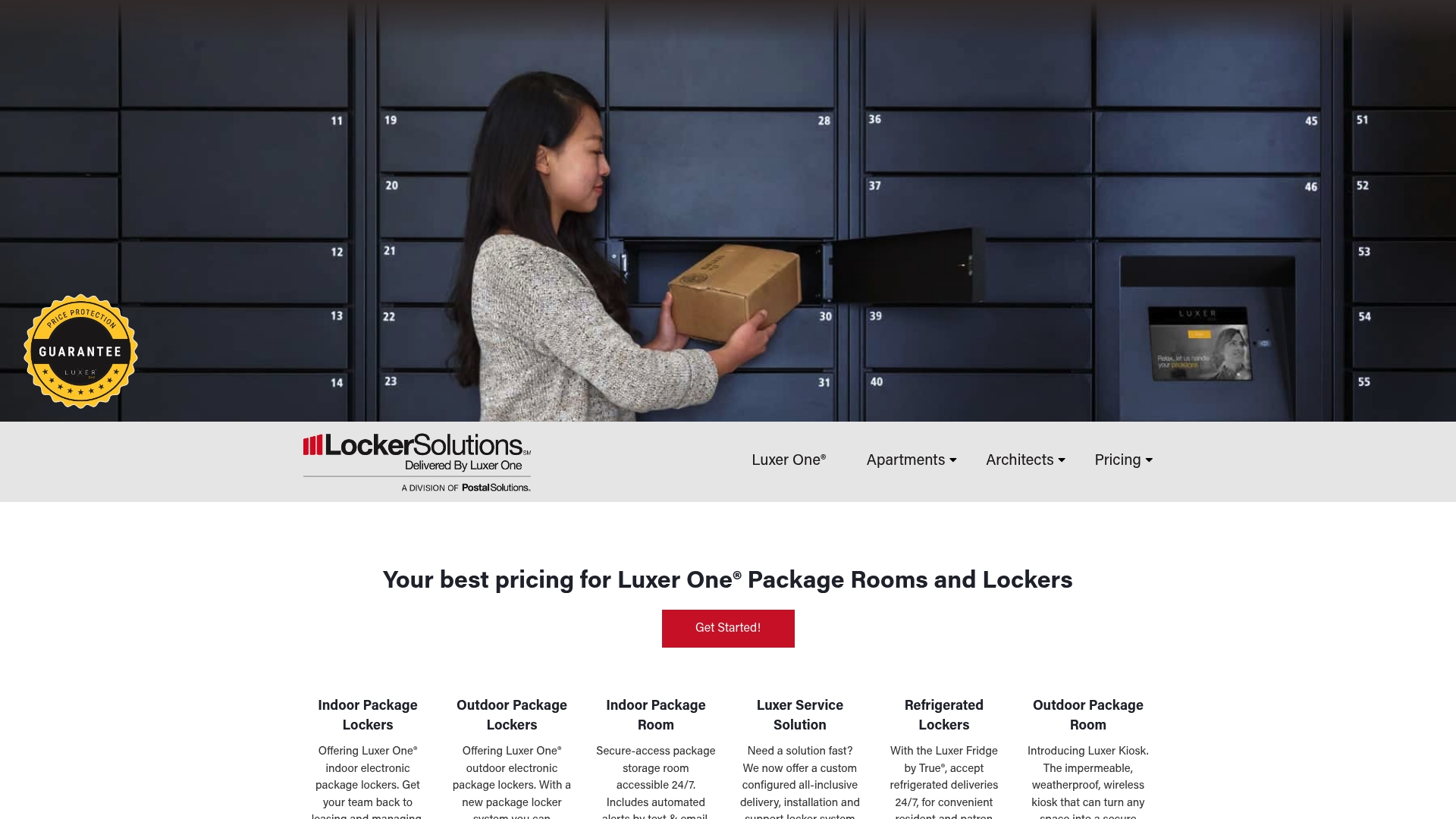
Georgia’s climate punishes generic locker hardware fast. Locker Solutions deploys Luxer One® weatherproof outdoor kiosks and refrigerated locker compartments engineered for the latent load conditions of ASHRAE zones 2A and 3A, with integrated dehumidification strategies, environmental sensors, and automated resident alerts included. The Atlanta case study is available for procurement teams evaluating the system. For new builds, Locker Solutions handles installation coordination and staff training. For retrofits, the team conducts a site assessment covering envelope, electrical, and mechanical readiness before committing to a timeline. Request a technical consult or review the full outdoor parcel locker and package room management options to find the right configuration for your property.
Key Takeaways
Georgia’s mixed-humid ASHRAE zones 2A and 3A require locker systems that prioritize active dehumidification, sealed hardware, and networked environmental monitoring to protect packages and electronics year-round.
| Point | Details |
|---|---|
| Climate zone drives specs | Georgia’s ASHRAE zones 2A/3A create high latent loads; moisture control outranks all other locker spec decisions. |
| Active dehumidification required | Passive vents import moisture in humid conditions; pair an ERV with a dedicated dehumidifier and sensor controls. |
| Target humidity below 60% RH | Ambient compartments should stay below 60% RH and 80°F to prevent mold, warping, and corrosion. |
| Retrofit needs envelope first | Insulation, air sealing, and electrical capacity must be assessed before mechanical upgrades can succeed. |
| Locker Solutions for Georgia | Luxer One® weatherproof kiosks and refrigerated compartments are specified for ASHRAE 2A/3A mixed-humid conditions. |
Recommended
- Snow-Resistant Locker Design: A Guide for Developers — Locker Solutions Blog
- Outdoor Locker Installation Considerations: A Pro Guide — Locker Solutions Blog
- Cold-Weather Locker Technology: A Property Manager’s Guide — Locker Solutions Blog
- Heat-Resistant Locker Technology: A Property Manager’s Guide — Locker Solutions Blog
Ready for a Luxer One® package locker quote?
Tell us your unit count and we'll send right-sized pricing with a fast response time.
Get my free quote