June 25, 2026
Locker Business Models for Multifamily Properties: 2026
Discover effective locker business models for multifamily properties. Unlock secure, automated solutions to enhance package management in 2026.
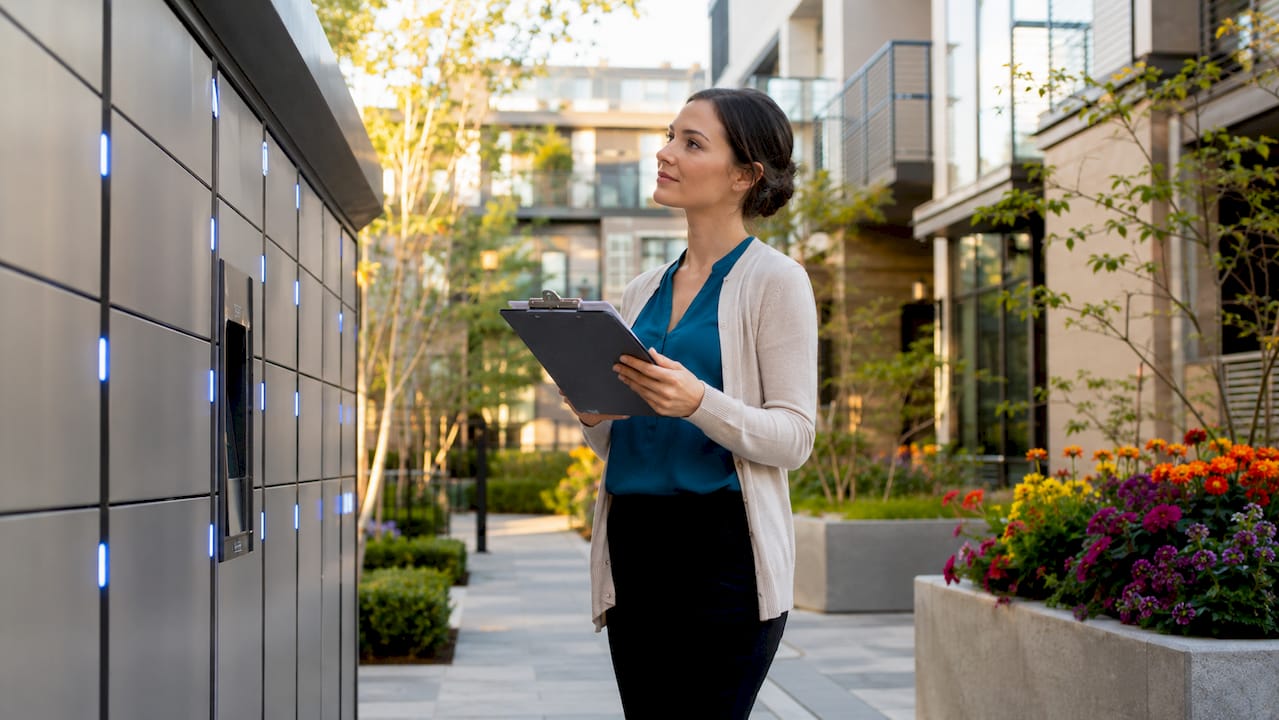
A locker business provides multifamily property managers with secure, automated parcel and asset storage systems that handle package delivery without staff involvement. The industry term for this category is automated package management, and it covers everything from single electronic locker banks to full package rooms with video surveillance. Brands like Luxer One® and Blocks have defined what modern locker infrastructure looks like in residential settings. A 10-locker setup costs between $6,500 and $7,000 to launch, with only 2–4 hours of weekly management required. For property managers fielding daily resident complaints about missing packages, that entry point is worth serious attention.
1. Top 10 locker business models and systems for multifamily properties
The right locker system for your property depends on package volume, building layout, resident tech comfort, and budget. These ten models represent the most practical options available to multifamily managers in 2026.
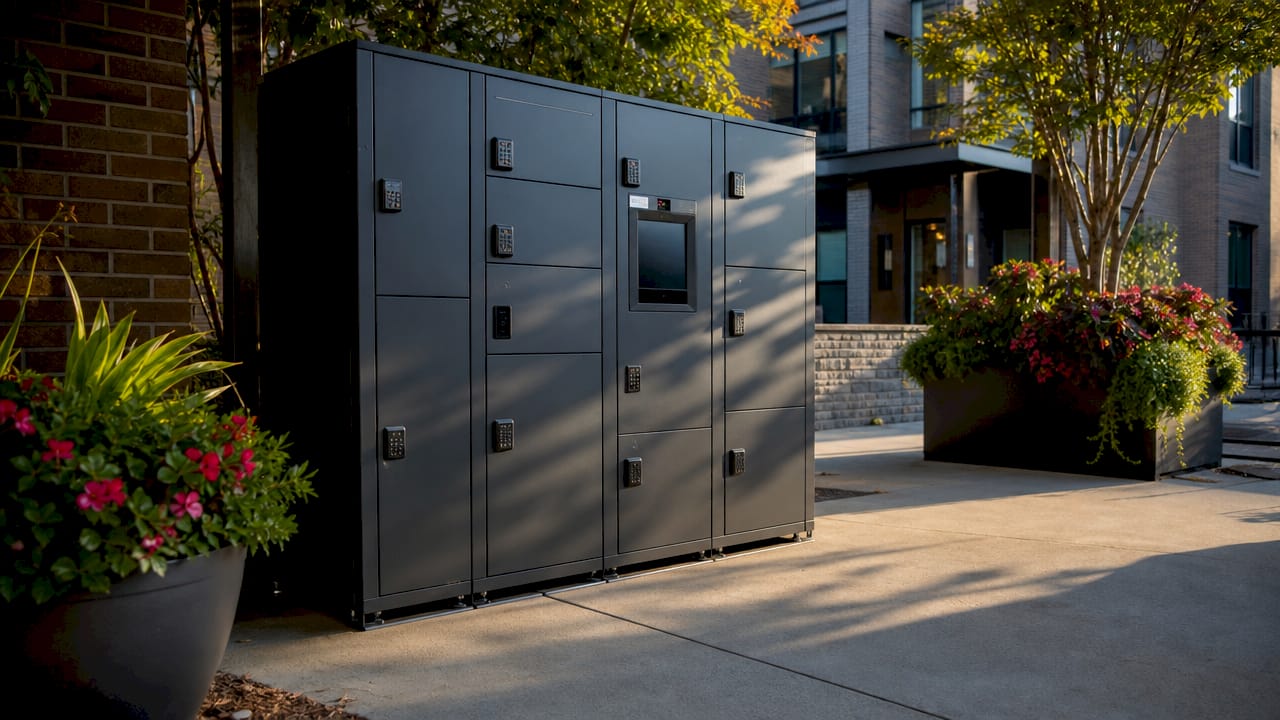
Electronic parcel lockers (indoor)
Indoor electronic parcel lockers are the most common starting point for multifamily properties. Luxer One® offers indoor locker systems with automated alerts, video surveillance, and resident-facing touchscreens. Residents receive a notification when a package arrives and retrieve it with a PIN, QR code, or mobile app. These units work best in lobbies, mail rooms, and covered vestibules.
Outdoor weatherproof lockers
Properties without indoor lobby space need lockers built for weather exposure. Luxer One® outdoor parcel lockers are built to withstand rain, heat, and freezing temperatures. Outdoor placement also reduces foot traffic inside the building, which residents in larger communities often prefer.
Refrigerated lockers
Refrigerated lockers handle grocery deliveries, meal kits, and pharmacy orders. This category is growing quickly as same-day grocery delivery from services like Amazon Fresh and Instacart becomes standard resident behavior. A refrigerated locker bank placed near a building entrance solves the perishable delivery problem without requiring staff to accept and store cold packages.
Automated package rooms
An automated package room is a dedicated, access-controlled space rather than a fixed locker bank. Carriers deposit packages freely, and residents access the room with a credential tied to their unit. This model handles high package volumes that would overwhelm a standard locker bank. Properties with 200 or more units typically benefit most from this format.
Modular locker banks
Modular locker configurations use interchangeable door modules to adjust compartment sizes without replacing the entire locker bank. If resident delivery patterns shift toward larger boxes, a property manager can swap door modules on-site rather than purchasing new hardware. This is the most cost-effective way to future-proof a locker investment.
Pro Tip: Order a mix of small, medium, and large compartments from the start. Track utilization by size for 60 days, then swap modules to match actual delivery patterns before locking in a permanent configuration.
Laundry locker services
Laundry locker services operate on a locker-first business model where the property owner or a third-party operator manages pickup and drop-off laundry through dedicated locker banks. Startup costs run $6,500–$7,000 for a 10-locker setup, with revenue possible within 4–6 weeks. This model suits properties that want to add a resident amenity without hiring additional staff.
Host-based locker programs
In a host-based model, a third-party locker operator installs and manages the hardware on your property. The property owner earns a revenue share without taking on operational responsibility. This model trades control for simplicity. It works well for smaller properties where the manager lacks time to handle locker maintenance directly.
Smart lockers with multi-factor authentication
Multi-factor authentication options including RFID badges, PIN codes, QR codes, and mobile apps are standard on professional smart locker configurations. Properties with diverse resident populations benefit from offering all four methods simultaneously. A resident who does not use a smartphone can still access packages with a PIN or badge.
Package room management services
Package room management services combine physical infrastructure with ongoing operational support. Locker Solutions offers monitored package rooms where staff oversight, video surveillance, and carrier coordination are handled as a managed service. This model removes the operational burden from property management teams entirely.
Contactless delivery lockers
Contactless delivery lockers allow carriers to deposit packages without any staff interaction. The carrier scans a barcode or enters a code at the kiosk, the system assigns a compartment, and the resident receives an automated alert. This model is now the baseline expectation at Class A multifamily properties.
How smart locker analytics and software optimize package management
Software is the deciding factor in whether a locker system performs well over time. Smart locker platforms provide property managers with real-time utilization visibility by locker size, event, and time period. That data tells you which compartment sizes are always full, which sit empty, and when peak delivery windows occur during the week.
The practical value of this visibility is significant. A manager who sees that large compartments fill up every monday and tuesday can reconfigure the bank before the holiday season rather than after residents start complaining. Software-driven configuration adapts lockers to changing needs without replacing hardware. That flexibility is what separates a locker system that ages well from one that becomes obsolete in three years.
Audit trails are another underused software feature. Every access event, carrier deposit, and failed authentication attempt is logged with a timestamp. When a resident claims a package was never delivered, the audit trail resolves the dispute in seconds. Smart lockers reduce staff involvement by automating package handling, which increases security and resident satisfaction across multifamily properties.
“Dynamic software systems are the brain of successful locker deployments, enabling locker functions to evolve with building requirements.” — Blocks
Comparing locker ownership models: locker-first vs. host-based
The two primary ownership structures for multifamily locker programs differ in control, cost, and time commitment.
| Factor | Locker-first model | Host-based model |
|---|---|---|
| Startup cost | $6,500–$7,000 for 10 lockers | $0 upfront |
| Operational control | Full control over software and hardware | Third-party operator controls system |
| Weekly management time | 2–4 hours | Minimal |
| Revenue structure | Direct revenue or cost savings | Revenue share from operator |
| Best fit | Properties with management capacity | Smaller properties or time-limited managers |
| Scalability | Add modules as volume grows | Dependent on operator’s expansion plans |
The locker-first model suits property managers who want full visibility into package data and the ability to configure the system around their specific resident base. The host-based model suits managers who prioritize simplicity over control. Neither model is universally better. The right choice depends on your property’s size, staff capacity, and long-term goals.
Choosing the right locker strategy for your multifamily property
Property size is the first filter. Buildings with fewer than 100 units can typically manage with a single modular locker bank. Properties above 200 units almost always need either a multi-bank configuration or an automated package room. Volume matters more than unit count. A 150-unit building near an urban Amazon delivery hub may need more capacity than a 250-unit suburban property with lower delivery frequency.
Resident demographics shape authentication choices. A community with a high percentage of older residents needs PIN and badge access as primary methods, not just mobile app access. Backup authentication methods prevent access disruptions when tech failures or outages occur. Offering all four methods, badge, PIN, QR code, and mobile app, covers every resident profile without exception.
Budget alternatives exist for properties that cannot justify a full locker bank immediately. A single-column modular unit with six to eight compartments costs far less than a full bank and can be expanded later. Locker Solutions offers guidance on choosing the right locker company for properties at every budget level.
Pro Tip: Always confirm that your locker vendor offers national installation and maintenance support. A system that goes offline in january with no local technician available will cost you more in resident complaints than the hardware ever saved.
Weather exposure is a non-negotiable factor for outdoor installations. A locker rated for indoor use placed under a covered but unheated carport will fail in cold climates. Specify weatherproof ratings explicitly when comparing commercial locker options with vendors.
Key takeaways
The most effective locker business strategy for multifamily properties combines modular hardware, adaptive software, and multi-factor authentication to handle growing package volumes without adding staff.
| Point | Details |
|---|---|
| Entry cost is accessible | A 10-locker setup costs $6,500–$7,000 and requires only 2–4 hours of weekly management. |
| Software drives long-term value | Adaptive software reconfigures locker functions without hardware replacement as needs change. |
| Authentication must cover all residents | Offer badge, PIN, QR code, and mobile app access to prevent lockouts for any resident profile. |
| Ownership model affects control | Locker-first gives full data and configuration control; host-based trades control for simplicity. |
| Modular hardware protects your investment | Interchangeable door modules let you adjust compartment sizes as delivery patterns shift. |
What I’ve learned about locker businesses in multifamily real estate
Property managers often focus on the hardware spec sheet when evaluating locker systems. That is the wrong starting point. The hardware matters, but the software platform determines whether the system actually works for your building two years after installation.
The locker systems that generate the most resident satisfaction are not necessarily the most expensive ones. They are the ones where the software gives the manager real visibility, the authentication options cover every resident, and the vendor provides responsive support when something goes wrong. A locker system for multifamily properties that checks all three of those boxes will outperform a premium hardware install with a weak software layer every time.
The recession-resistant nature of locker business viability is real. Package delivery volume does not shrink during economic downturns. Residents order more online when they are spending less on dining and entertainment. That sustained demand makes locker infrastructure a durable investment, not a trend-dependent one.
My caution to any property manager evaluating this space: do not sign a long-term contract with a vendor who cannot demonstrate national installation and maintenance coverage. A locker system that goes offline and stays offline for two weeks destroys the resident trust you built by installing it in the first place. Vet the service network as carefully as you vet the hardware.
— Locker Solutions
Luxer One locker solutions for multifamily properties
Locker Solutions specializes in Luxer One® package management systems built specifically for multifamily residential properties.
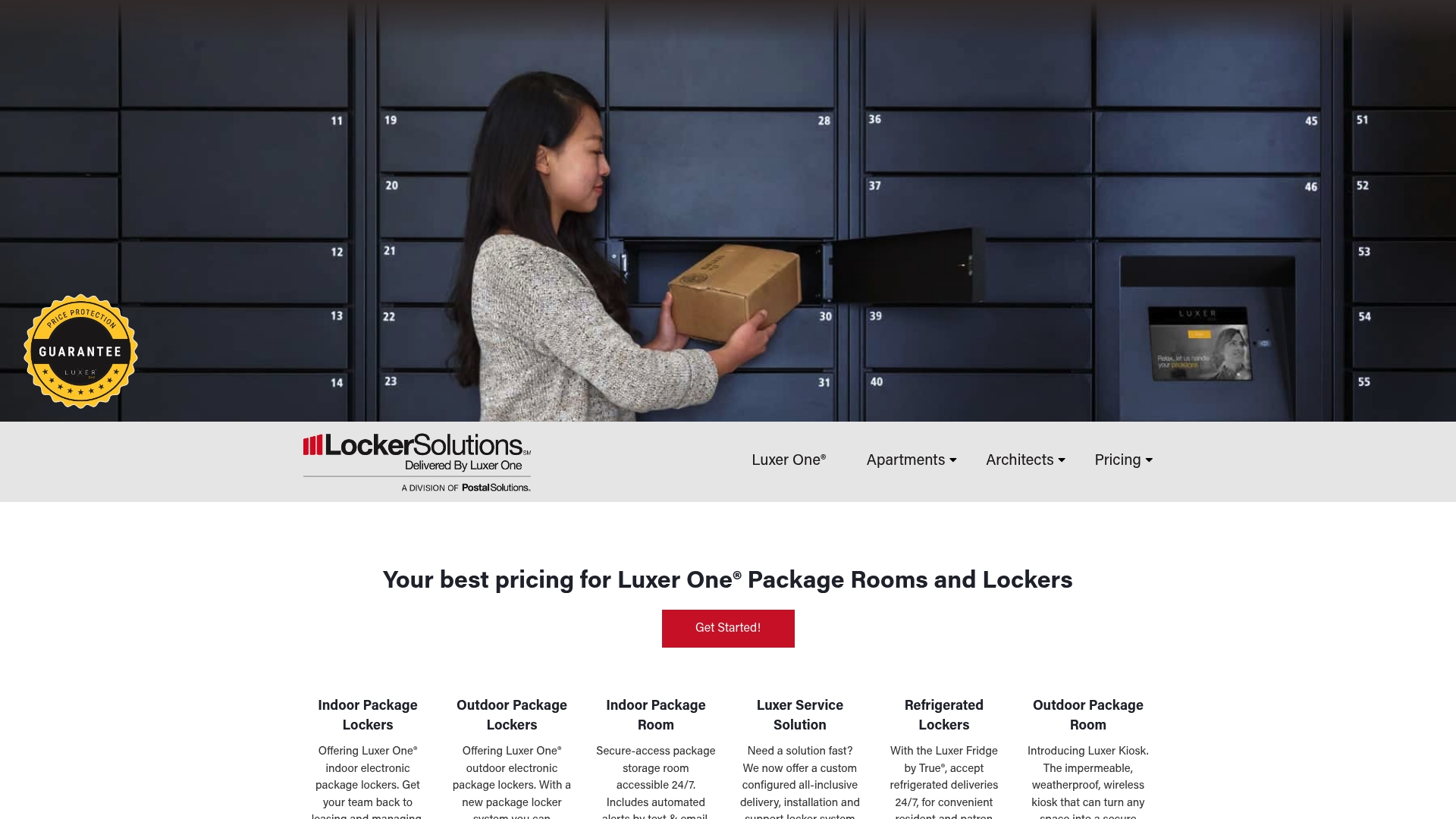
The product line covers indoor and outdoor parcel lockers, refrigerated units, automated package rooms, and weatherproof kiosks. Every system includes automated resident alerts, video surveillance, and unified access control. Locker Solutions provides national sales, installation, and ongoing maintenance support, so property managers have a single point of contact from purchase through operation. Whether you manage a 50-unit building or a 500-unit community, the right configuration exists. Contact Locker Solutions to find the system that fits your property’s package volume and resident needs.
FAQ
What does a locker business cost to start?
A locker-first setup with 10 lockers costs between $6,500 and $7,000. Most operators reach revenue within 4–6 weeks with only 2–4 hours of weekly management required.
What authentication methods do smart lockers support?
Professional smart locker systems support RFID badges, PIN codes, QR codes, and mobile app access. Offering all four methods prevents access disruptions for residents with different tech preferences.
How do I choose between indoor and outdoor lockers?
Choose indoor lockers for lobbies and mail rooms with climate control. Choose outdoor weatherproof lockers when indoor space is unavailable or when reducing building foot traffic is a priority.
What is the difference between a locker-first and host-based model?
A locker-first model means you own and manage the hardware and software for full operational control. A host-based model means a third-party operator runs the system on your property and shares revenue with you.
How does locker software improve package management?
Smart locker platforms track utilization by compartment size, event, and time period, giving property managers the data to reconfigure their system before capacity problems develop.
Recommended
- Package security for multifamily: Why it matters — Locker Solutions Blog
- Apartment package solutions terminology guide — Locker Solutions Blog
- Secure Package Pickup Workflow for Multifamily Properties — Locker Solutions Blog
- Workflow for Secure Parcel Handling in Multifamily Properties — Locker Solutions Blog
Ready for a Luxer One® package locker quote?
Tell us your unit count and we'll send right-sized pricing with a fast response time.
Get my free quote