May 3, 2026
Your essential multifamily amenities checklist for 2026
Navigate 2026 with our essential multifamily amenities checklist. Discover ROI-driven options that boost resident satisfaction and efficiency!
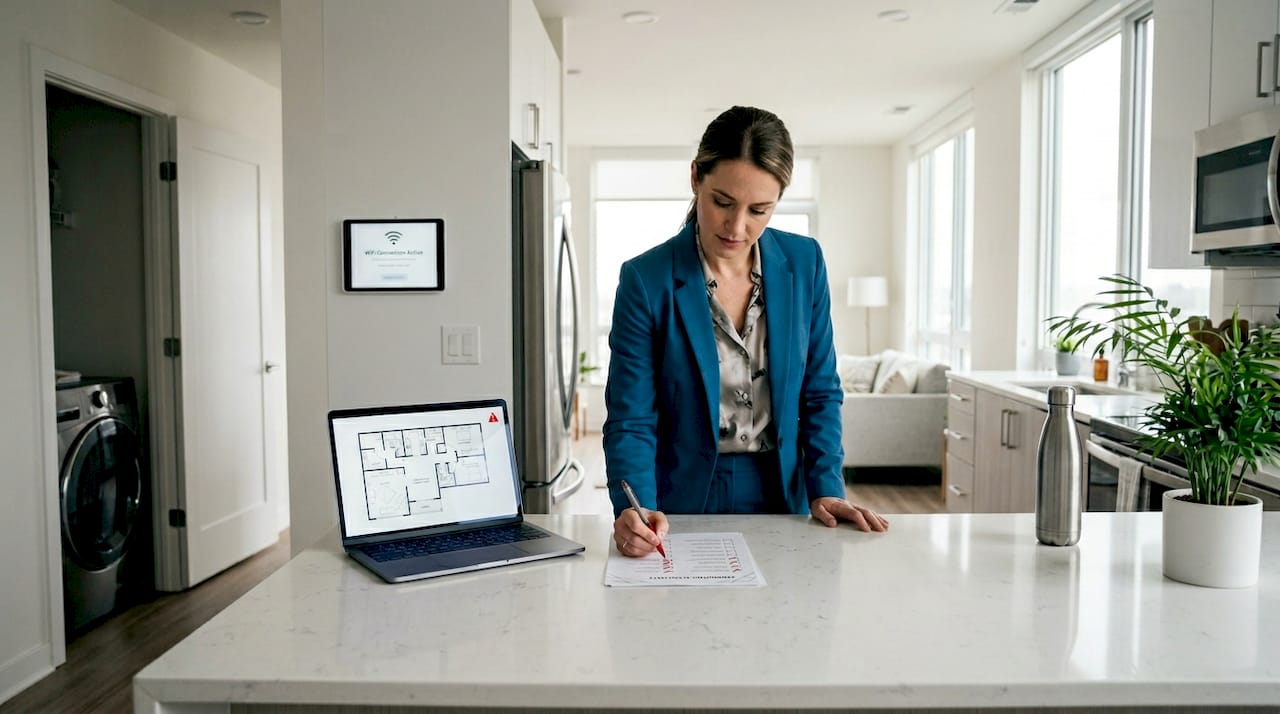
Selecting the right amenities for your property in 2026 is no longer a guessing game, but it is still one of the most consequential decisions you make each budget cycle. Residents expect more, competition is tighter, and the shift toward intentional, ROI-driven amenities focused on wellness, sustainability, and flexibility has fundamentally changed the calculus. This checklist cuts through the noise to give you a practical, evidence-backed framework for evaluating, selecting, and prioritizing the amenities that actually move the needle on retention, lease velocity, and operating efficiency.
Table of Contents
- How to evaluate and prioritize multifamily amenities in 2026
- Core essentials every multifamily property needs in 2026
- Top trending amenities in 2026: Beyond the basics
- Unique and high-end amenities for differentiation
- 2026 amenities comparison matrix: Prioritize for ROI and resident impact
- A real-world take: Why less is often more with amenities
- Elevate your property’s amenities with advanced locker solutions
- Frequently asked questions
Key Takeaways
| Point | Details |
|---|---|
| Prioritize core essentials | In-unit laundry, high-speed WiFi, and package management are must-haves for 2026 competitiveness. |
| Trend with intent | Wellness spaces, pet amenities, and outdoor activity zones move the needle but should fit your market. |
| Pilot, measure, adapt | Data-driven pilots and resident feedback should guide amenity investments, not just trends. |
| Don’t over-invest in novelties | Unique features only pay when thoughtfully matched to demographics and tested for usage. |
| Operational efficiency matters | Maintenance and frictionless service are as valuable as any new amenity in shaping resident satisfaction. |
How to evaluate and prioritize multifamily amenities in 2026
Before jumping into the full checklist, let’s build a smart framework for evaluating which amenities make sense for your property. Not every amenity belongs at every property, and the cost of getting this wrong is real: underused spaces drain maintenance budgets, frustrate staff, and signal to prospects that management makes poor decisions.
Start by defining your project goals with specificity. Are you trying to reduce turnover among existing residents? Accelerate lease-up on a new development? Justify a rent premium in a competitive submarket? Each goal points to a different amenity priority. A property chasing lease velocity in a young-professional market will make very different choices than a suburban family community focused on long-term retention.
Here is a practical five-step evaluation process:
- Define your primary goal. Retention, rent premium, lease velocity, or reputation improvement each require a different amenity mix. Write it down before you start shopping.
- Analyze your resident demographics. Age, household size, pet ownership, remote work habits, and income level all shape which amenities get used and which collect dust.
- Audit your competitive set. What are comparable properties offering within a three-mile radius? You need to match the baseline and beat it on at least two or three features to stand out.
- Pilot before you commit. Data-driven pilots with clear metrics like usage rates, leasing velocity, and resident satisfaction scores reduce the risk of expensive mistakes. Run a 30 to 90 day pilot wherever possible.
- Calculate the full cost of ownership. An amenity that costs $40,000 to install but requires $15,000 per year in maintenance and staffing may not pencil out. Build a simple cost-to-benefit model before approving any new feature.
“Avoid low-utilization ‘shiny objects.’ The amenities that consistently move NOI are the ones that reduce friction in daily resident life, not the ones that photograph well for Instagram.”
Pro Tip: Work with your architect planning for amenities early in the design phase. Retrofitting amenity spaces is far more expensive than designing for flexibility from the start.
The best operators treat this evaluation process as an ongoing discipline, not a one-time exercise at development. Revisit your amenity mix annually, pull usage data, and be willing to repurpose underperforming spaces.
Core essentials every multifamily property needs in 2026
With the evaluation framework in place, focus on the amenities every resident now expects in a competitive market. These are not differentiators. They are table stakes. Missing even one of them will cost you leases and renewals.
In-unit essentials that residents now consider non-negotiable:
- In-unit laundry with a full-size washer and dryer. Shared laundry rooms are a friction point that pushes residents toward competing properties.
- Modern HVAC with smart thermostat compatibility. Residents working from home all day notice temperature control immediately.
- Energy-efficient appliances including dishwasher, refrigerator, and range. Older appliances signal neglect and drive up utility costs for residents.
- High-speed bulk WiFi delivered as a building-wide service. The core in-unit essentials that top the resident priority list are in-unit laundry, air conditioning, modern appliances, and bulk WiFi, and that last one has moved from a perk to a baseline expectation faster than almost any other feature.
- Secure package management. Parcel volume per unit continues to climb, and residents who experience package theft or missed deliveries are vocal about it. Smart package lockers provide 24/7 access, automated pickup alerts, and video surveillance that protect both residents and management from liability.
“Bulk WiFi and unit upgrades consistently drive measurable rent premiums, often in the range of $50 to $150 per month per unit, making them among the highest-ROI investments a property can make.”
One often-overlooked core essential is maintenance responsiveness. Residents consistently rank prompt, frictionless repair service as a top satisfaction driver. A beautiful amenity deck does not compensate for a leaking faucet that takes two weeks to fix. Investing in maintenance staffing, digital work order systems, and clear communication protocols is itself an amenity strategy.
On-site community essentials:
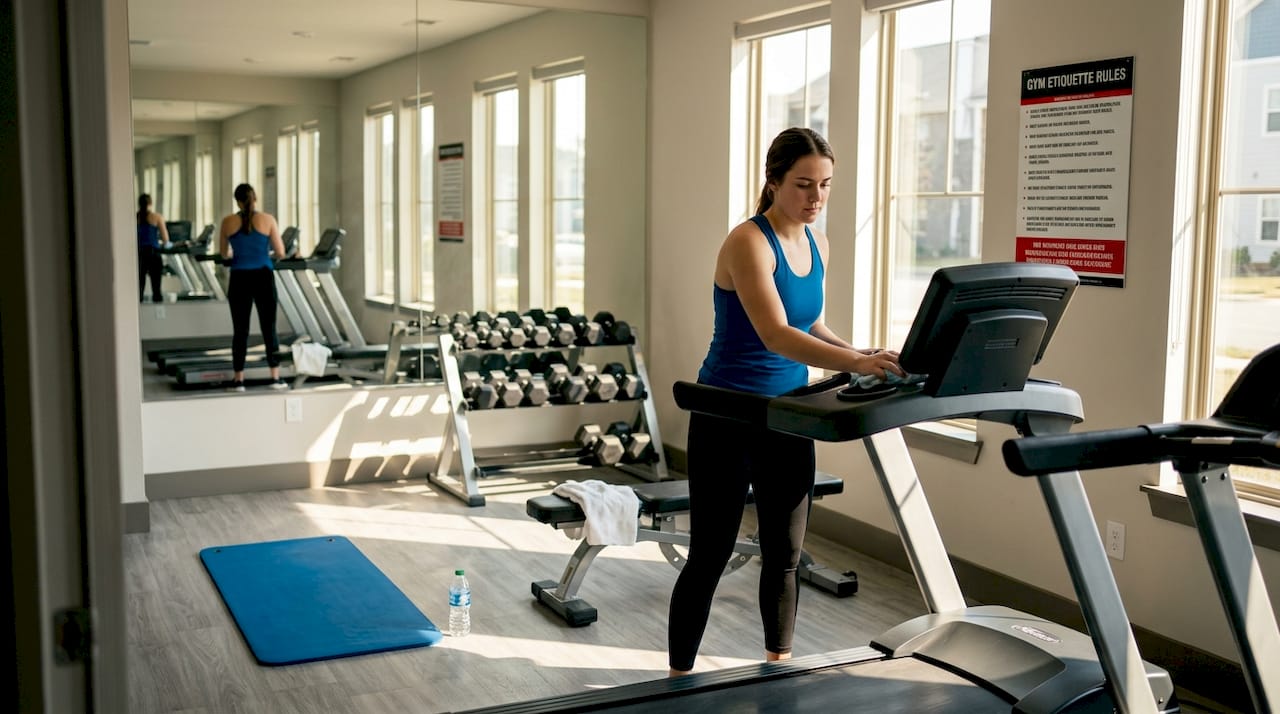
- Fitness center with modern equipment updated within the last three years
- Covered or secured parking
- Controlled building access with digital key or fob entry
- Well-lit, clean common areas that signal active management
These features form the foundation. Everything else builds on top of them.
Top trending amenities in 2026: Beyond the basics
Beyond what’s required, residents now look for these trending amenities that set properties apart and add real value. The properties winning in 2026 are not just checking boxes. They are curating experiences that align with how their residents actually live.
Wellness-focused amenities have moved from luxury to expectation in mid-to-upper tier markets. Saunas, cold plunges, meditation rooms, yoga studios, sound therapy rooms, and biophilic design elements like living walls and natural light optimization are all seeing strong adoption. Enhanced air quality systems, including HEPA filtration in common areas, resonate strongly with health-conscious residents and are relatively low-cost to implement compared to their perceived value.
Pet amenities have become a genuine retention driver. Dog parks, pet spas, self-service wash stations, indoor playrooms, and hydration stations are no longer luxury add-ons. Over 70% of renters own pets, and a property that treats pet owners as first-class residents earns fierce loyalty. Dog parks in particular are worth the investment: they increase resident retention by 15%, which at typical turnover costs of $3,000 to $5,000 per unit adds up quickly.
Outdoor activation spaces are evolving well beyond the standard pool deck. Pickleball courts, fire pits, outdoor kitchens, rooftop lounges, and gear rooms for kayaks, paddleboards, and bikes are all trending strongly. Pools remain a powerful draw, with data showing they boost resident satisfaction by 22%, and gyms deliver an 18% satisfaction lift. These are not small numbers.
Work and flex spaces reflect the permanent shift toward remote and hybrid work. Private work pods, coworking lounges, quiet zones with noise-dampening design, and conference rooms available for resident booking are now expected at any property targeting professionals. The key is quality over quantity. A single well-designed, acoustically sound work pod gets used every day. A large open coworking area with poor WiFi and no privacy gets ignored.
EV charging and green infrastructure have crossed the threshold from differentiator to expectation. Properties with EV charging see a 25% increase in appeal among prospective residents, and that number will only grow as EV adoption accelerates. Solar panels, green roofs, and energy-efficient building systems also support sustainability certifications that attract both residents and institutional investors.
Pro Tip: Consider pairing your outdoor amenity spaces with refrigerated locker solutions near building entrances. Residents who order meal kits and grocery deliveries need cold storage that is accessible around the clock, and this single addition can meaningfully boost resident satisfaction scores.
Unique and high-end amenities for differentiation
Once the core and trending amenities are covered, high-end and unique features may offer the edge — if chosen carefully. In dense urban markets or luxury segments, differentiation is everything. But the graveyard of multifamily development is filled with expensive amenity spaces that nobody uses.
The most compelling unique amenities in 2026 include:
- Onsite cafe or coffee bar with a third-party operator or self-service kiosk
- Rooftop garden with resident plots and communal growing spaces
- VR gaming or entertainment room for residents and guests
- Recording studio or podcast room for content creators and musicians
- Plunge pool or cold therapy spa as a wellness differentiator
According to 2026 multifamily trend data, these high-end features generate strong word-of-mouth and social media visibility, which supports lease-up marketing. However, they require a clear demographic match. A recording studio in a 55-plus community is wasted space. A rooftop garden in a market dominated by young urban professionals who care about sustainability is a genuine competitive weapon.
Before committing to any high-end differentiator, ask three questions:
- Does our resident demographic actually want this?
- Can we measure utilization within 90 days of launch?
- What is the exit plan if usage is low?
Data-driven pilots are the answer here. Install a temporary version, measure engagement, and only invest in permanent infrastructure if the numbers support it.
2026 amenities comparison matrix: Prioritize for ROI and resident impact
To help you translate the checklist into action, use this table to see how top amenities stack up for your property.
| Amenity | Cost tier | ROI potential | Resident appeal | Operational complexity | Best property type |
|---|---|---|---|---|---|
| In-unit laundry | Medium | High | Very high | Low | All types |
| Bulk WiFi | Low | High | Very high | Low | All types |
| Package lockers | Medium | High | High | Very low | All types |
| Fitness center | Medium | High | High | Medium | All types |
| Dog park | Low | High | High | Low | Suburban, family |
| EV charging | Medium | High | High | Medium | All types |
| Pickleball court | Low | Medium | High | Low | Suburban, active |
| Coworking space | Medium | Medium | High | Low | Urban, professional |
| Wellness studio | Medium | Medium | Medium | Medium | Urban, luxury |
| Rooftop garden | High | Medium | Medium | High | Urban |
| Onsite cafe | High | Medium | High | Very high | Large urban |
| VR/recording room | High | Low | Low to medium | Medium | Urban, luxury |
The ROI modeling methodology that top operators use combines comparable market analysis, resident feedback surveys, and 30 to 90 day pilots with clear metrics before committing to full investment. Use this table as a starting point, then layer in your own market data and monitored package rooms usage analytics to build a property-specific picture.
The table reveals a clear pattern: amenities that reduce daily friction (laundry, WiFi, package management) consistently outperform novelty features on ROI. High-cost, high-complexity amenities like onsite cafes and rooftop gardens require significant scale and the right demographic to justify the investment.
A real-world take: Why less is often more with amenities
Now that you have the 2026 checklist, here is a view from the trenches on what actually delivers results after the grand opening fanfare fades.
The properties with the highest long-term retention rates are not always the ones with the most amenities. They are the ones that execute a smaller set of amenities flawlessly. A spotless, well-maintained fitness center with working equipment beats a sprawling amenity deck where half the features are out of order or inaccessible.
Here is the uncomfortable truth: most resident satisfaction and retention is driven by the basics done right. Prompt maintenance, clean common areas, responsive management, and reliable package delivery account for far more renewal decisions than any trending feature. Core basics consistently outperform novelties for retention, while high-end unique features serve differentiation in competitive markets and sustainability is increasingly a baseline expectation.
Amenities become a liability the moment they are underused or costly to maintain. A sauna that breaks down every other month, a dog park that floods in rain, or a coworking space with unreliable WiFi actively damages your reputation. Start small, iterate based on real resident feedback, and resist the pressure to match every competitor feature for feature.
Think of flexibility, maintainability, and the ability to pivot quickly as hidden super-amenities for operators. A property that can repurpose an underused storage room into a package room, or convert a dated business center into a work pod suite, has a structural advantage over properties locked into expensive, inflexible build-outs.
Elevate your property’s amenities with advanced locker solutions
Ready to raise your property’s value with top amenities? Package management is one of the highest-ROI, lowest-friction amenities you can add or upgrade right now, and it is one that residents notice every single day.
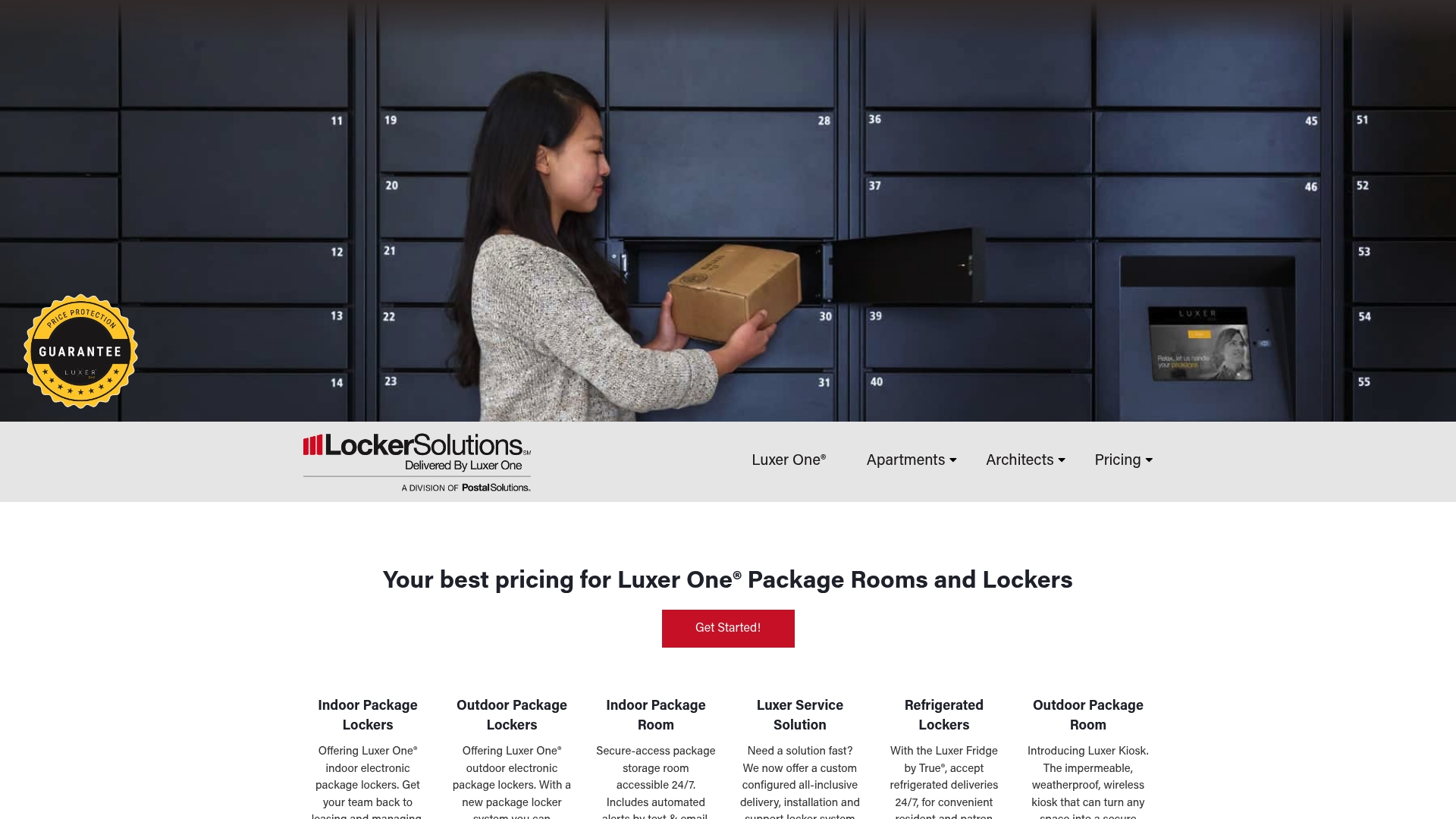
Locker Solutions specializes in Luxer One® secure package management systems built specifically for multifamily properties. Whether you need modern package locker systems for a high-volume urban building, refrigerated package lockers for residents who rely on grocery and meal kit deliveries, or fully monitored package rooms with video surveillance and automated alerts, the platform offers scalable, weatherproof configurations that fit any property size or climate. Reduce staff workload, eliminate package theft complaints, and give residents the frictionless delivery experience they expect in 2026.
Frequently asked questions
Which amenities most directly improve resident retention in multifamily properties?
Dog parks, pools, and gyms show the greatest direct impact on retention and satisfaction, with dog parks increasing retention by 15% and pools boosting satisfaction by 22%.
Which in-unit amenities are now considered mandatory in 2026?
In-unit laundry, bulk WiFi, air conditioning, and modern appliances have become baseline expectations that residents will not compromise on when comparing properties.
How should property managers decide which new amenities to add?
Test new features with 30 to 90 day pilots, track resident usage and satisfaction metrics, and prioritize market fit and ROI over novelty or competitor pressure.
Are sustainability and green features expected by residents in 2026?
Yes, sustainability is now a baseline expectation in competitive markets, with EV charging, energy-efficient systems, and green infrastructure increasingly required to attract and retain quality residents.
What pet-focused amenities are most requested by residents?
Dog parks, pet spas, wash stations, and indoor playrooms are the most widely requested and adopted pet amenities, with dog parks delivering the strongest measurable retention impact.
Recommended
Ready for a Luxer One® package locker quote?
Tell us your unit count and we'll send right-sized pricing with a fast response time.
Get my free quote