August 5, 2026
Top Apartment Differentiators for Renters: 2026 Guide
Discover crucial apartment differentiators for renters. This 2026 guide reveals what to look for to ensure your next rental feels like home.

When comparing apartments, six categories separate a place you’ll regret from one you’ll renew: unit quality, building operations, safety, lease clarity, neighborhood fit, and package handling. Most renters focus on rent and square footage, then discover the real friction points after move-in. The checklist below gives you a faster path.
Quick comparison checklist — scan before you tour:
- In-unit washer/dryer (or hookups at minimum)
- Central air conditioning or window units included
- Assigned or covered parking available
- Online rent payment and maintenance requests
- All-in pricing with fees disclosed upfront
- Controlled building access (key fob, app, or intercom)
- Secure package receiving (lockers or managed room)
- Lease terms clear on rent increases and pet policy
Before your next viewing, email the leasing office three questions: what fees are not included in the listed rent, what is the average maintenance response time, and how packages are handled when you are not home.
Table of Contents
- 1. What to inspect inside the unit on every viewing
- 2. Which building amenities actually move the needle
- 3. Operational and digital differences that shape daily life
- 4. Safety, neighborhood, and location: what to check on a walkaround
- 5. Lease terms, fees, and red flags to spot before you sign
- 6. Why secure package management is a top practical differentiator
- 7. How to prioritize differentiators for your lifestyle and budget
- Key Takeaways
- The operational details most renters overlook
- Useful sources
1. What to inspect inside the unit on every viewing
The features that affect daily life most are in-unit washer/dryer connections, a functional HVAC system, quality kitchen appliances, adequate closet space, natural light, and soundproofing. These are not upgrades. They are the baseline that determines whether you are comfortable or constantly annoyed.
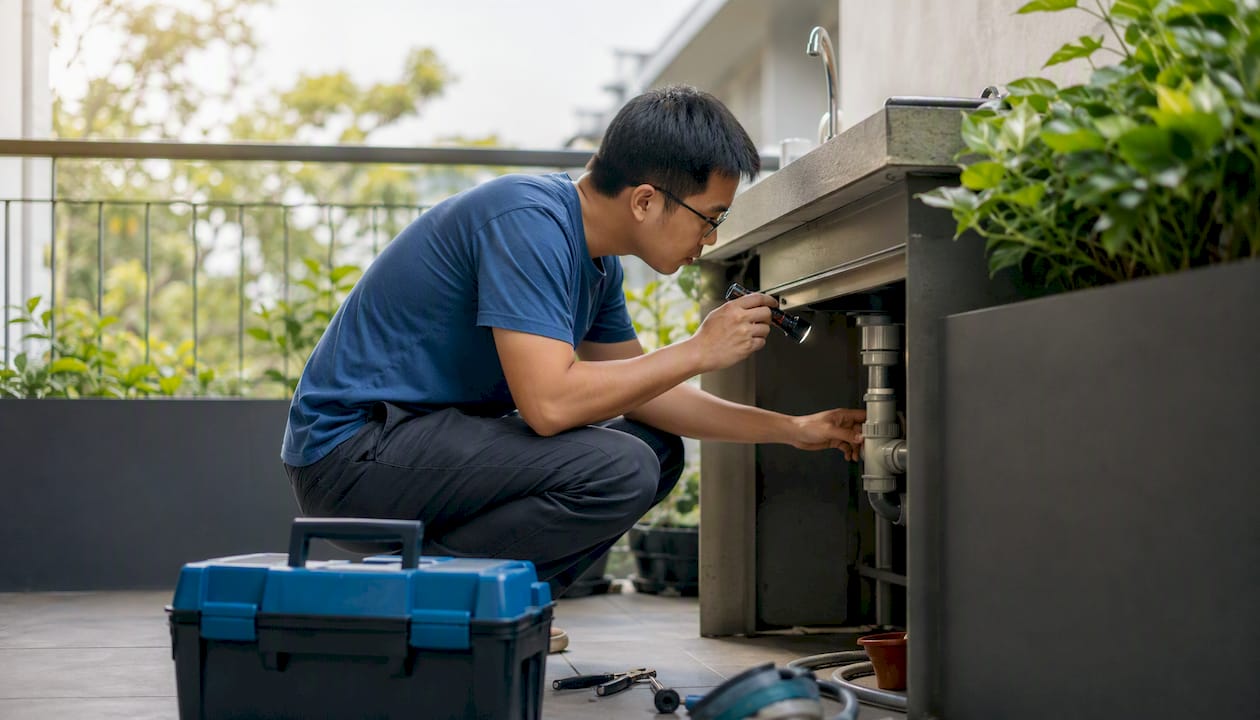
In-unit laundry is the single most time-saving feature in any apartment. A shared laundry room two floors down sounds fine until you are hauling a basket at 10 PM. Check whether the unit has a full-size washer/dryer included or just hookups, and confirm the hookup type (electric vs. gas).
Air conditioning is treated as non-negotiable by roughly 70% of renters, according to a Q2 2025 Apartments.com survey. On a viewing, run the AC for five minutes and hold your hand near the vents. Weak airflow in a unit that has been vacant and cool is a warning sign.
Closets and storage ranked among the top five most desired features in Greystar’s 2025 Design Survey of more than 137,000 residents. Bring a tape measure. A “large closet” in a listing photo can be 30 inches deep or 6 feet deep.
Natural light and ventilation matter more than most renters admit when touring on a sunny afternoon. Check which direction the main windows face, and open them to test whether cross-ventilation is possible. A unit that faces a concrete wall will feel dim and stale year-round.
Soundproofing is almost never listed honestly. The best field test: during the viewing, have a companion speak at normal volume from the hallway while you stand in the bedroom with the door closed. If you can follow the conversation, noise from neighbors will be a daily issue.
Pro Tip: Turn on every faucet at once and flush the toilet while the shower runs. If water pressure drops noticeably, the building’s plumbing is likely undersized or aging. Also check under the kitchen sink for water stains — a landlord who ignores a slow leak ignores other maintenance too.
2. Which building amenities actually move the needle
The amenities that most consistently influence renter decisions are covered parking, a fitness center, a pool (in warmer markets), a coworking or quiet workspace, and a reliable package-receiving system. Everything else is context-dependent.
Greystar’s 2025 Design Survey found that covered parking and fitness centers ranked among the top five desired amenities nationally, though regional differences are real: pools are near-essential in Sunbelt markets like Miami, while fresh-air ventilation and natural light rank higher in coastal cities like San Jose. Know your market before weighing amenities.
The honest ranking by typical daily impact:
- Package management: — Covered in detail in section 7, but worth flagging here: secure package handling affects you every week, not once a quarter like a rooftop lounge.
Entrata’s research on 2026 renter priorities found that fewer than half of renters consider traditional luxury amenities critical. Renters today want simplicity and real value, not a longer amenity list. A rooftop pool that costs $150/month in fees you never use is not a perk.
3. Operational and digital differences that shape daily life
Operational convenience often matters more than physical amenities once you are living somewhere. The ability to pay rent online, submit a maintenance request at midnight, and pick up a package at 7 AM without calling the office are the things that determine whether you renew.
The operational elements worth checking before you sign:
Online payments and resident portal. A property without a resident app or web portal in 2026 is a red flag. You should be able to pay rent, submit maintenance requests, and receive building communications in one place.
Maintenance response time. Ask for the average response time in writing. A good property commits to 24–48 hours for non-emergency requests. Anything vague (“we try to be prompt”) tells you what you need to know.
All-in pricing. Apartments.com research confirms that renters strongly prefer seeing total cost upfront. A $1,800 listing that becomes $2,150 after parking, pet fees, and admin charges is a trust problem before you even move in.
Building access systems. Key fob, mobile app, or intercom entry is now standard at well-run properties. A unified access system that covers the front door, gym, and package room with one credential is meaningfully better than juggling three separate keys.
Six questions to ask the leasing office about operations:
- What is your average maintenance response time for non-emergency requests?
- Can I pay rent and submit requests through an app or online portal?
- What fees are not included in the listed monthly rent?
- How are packages handled when I am not home?
- Is building access managed by key fob, mobile app, or physical key?
- How do residents receive building-wide communications?
Pro Tip: Before touring, search the property name on Google Maps and read the one-star reviews. Renters who leave negative reviews almost always mention maintenance delays, hidden fees, or package theft. Three complaints about the same issue in the last six months is a pattern, not a coincidence.
4. Safety, neighborhood, and location: what to check on a walkaround
The three location checks that matter most are crime perception, transit and commute access, and noise level. Perceived safety, in particular, is a deal-breaker for a large share of renters. A 2025 Apartments.com survey found that safety concerns cause many renters to stop considering a property entirely, ranking it among the top deal-breakers after unaffordability.
Walkaround checklist for a self-guided visit:
- Walk the block at the time of day you would normally come home. Lighting, foot traffic, and general upkeep tell you more than a daytime tour.
- Check the nearest transit stop and time the walk yourself. Google Maps estimates are optimistic.
- Stand outside the unit’s windows and listen for traffic, train noise, or HVAC equipment from neighboring buildings.
- Look at the building entrance: is the intercom functional, is the door propped open, are there visible cameras?
- Check the parking lot or garage for signs of break-ins (broken glass, damaged door frames).
- Search the address on a neighborhood crime map such as SpotCrime or your city’s open data portal.
Building security features add a measurable layer of protection. Controlled entry (key fob or app-based), visible cameras at entry points, and a managed package room all reduce the low-level theft and access issues that erode residents’ sense of safety over time. A building where anyone can walk in and take packages from a lobby table is not a secure building, regardless of what the marketing says.
5. Lease terms, fees, and red flags to spot before you sign
The most important lease items to confirm before signing are the all-in monthly cost with every fee itemized, the rent increase policy, the pet policy and associated fees, subletting rules, and the security deposit terms including what triggers deductions.
Common red flags in lease language:
- “Administrative fees” with no cap. Some leases allow the landlord to charge processing fees for virtually any service. Ask for a complete fee schedule in writing.
- Automatic charge clauses. Language like “resident agrees to pay for any services rendered” without a defined list can authorize charges you never approved.
- Vague utility language. “Utilities may be billed separately” is not a number. Ask for the average monthly utility bill for that unit, in writing.
- No rent increase cap. Month-to-month leases and annual leases without a stated cap expose you to large increases at renewal. Ask what the last two renewal increases were.
Six questions to ask before signing:
- What is the exact total monthly cost including all fees, parking, and pet charges?
- What was the rent increase at the last two renewals for this unit or building?
- Are utilities included, and if not, what is the average monthly bill?
- What are the exact conditions under which the security deposit can be withheld?
- What is the policy on subletting or lease transfers if I need to leave early?
- Are there any pending assessments or planned rent increases in the next 12 months?
Pro Tip: Ask the leasing agent to send you the full fee schedule by email before you tour. A property that refuses or delays that request is telling you the fees are not competitive. A property that sends it immediately is signaling transparency.
Renters who see total cost upfront are significantly more likely to trust the property and follow through on applications, according to Apartments.com’s rental manager guidance. Fee opacity is not just annoying; it is a retention problem that starts before move-in.
6. Why secure package management is a top practical differentiator
Automated, secure package management reduces theft, removes daily friction, and cuts staff handling time. It is one of the most practical differentiators a building can offer, and one of the most underrepresented in leasing conversations.
The average American household receives multiple deliveries per week. A building with no secure receiving system means packages sit in a lobby, get handed to a front desk that is not staffed 24/7, or get left at your door. All three options create theft exposure and inconvenience.
The main system types and when each fits:
- Electronic smart lockers (indoor): Best for high-volume buildings. Carriers deposit packages directly; residents get an automated alert and a unique code for 24/7 pickup. No staff involvement required.
- Weatherproof outdoor kiosks: Useful when indoor space is limited or when curbside delivery is common. Built to handle temperature swings and precipitation.
- Refrigerated lockers: Handle grocery and meal-kit deliveries. A genuine differentiator for buildings in urban markets where same-day food delivery is routine.
- Automated package rooms: Higher-capacity solution for large communities. A managed room with controlled access and video monitoring handles oversized parcels that do not fit standard lockers.
When evaluating a building’s package system, ask about these features specifically:
- 24/7 resident pickup access (not just during office hours)
- Automated notifications by text or email when a package arrives
- Video surveillance inside the package area
- Integration with the property management system so records are accurate
- AI-powered label reading to reduce misrouted deliveries
- Refrigerated capacity for perishable deliveries
| Locker/room type | Primary resident benefit |
|---|---|
| Indoor electronic locker | 24/7 self-service pickup, no staff dependency |
| Outdoor weatherproof kiosk | Curbside convenience, works in any climate |
| Refrigerated locker | Perishable and grocery delivery without spoilage |
| Automated package room | High-volume capacity, handles oversized parcels |
| Managed package room service | Daily on-site handling, monitored access, staff-free for residents |
Properties that invest in secure package delivery infrastructure see fewer theft claims, less staff time spent on package-related complaints, and higher resident satisfaction scores. Locker Solutions deploys Luxer One® systems nationwide, covering all five system types above with PMS integration and video monitoring built in.
For renters, the practical question is simple: ask the leasing office how packages are received and whether you can pick them up at midnight. The answer tells you a lot about how the building is run.
7. How to prioritize differentiators for your lifestyle and budget
Not every feature matters equally to every renter. A three-step scoring approach keeps the comparison honest: first lock in your must-haves, then rank high-value conveniences, then note nice-to-have perks without letting them drive the decision.
Step 1 — Must-haves (deal-breakers if absent): Write down the three to five features without which you will not sign. Common examples: in-unit laundry, pet-friendly policy, covered parking, air conditioning.
Step 2 — High-value conveniences (worth paying for): Features that meaningfully improve daily life and justify a modest rent premium. Online payments, secure package handling, responsive maintenance, and a fitness center typically land here.
Step 3 — Nice-to-have perks (tie-breakers only): Rooftop lounge, pool, coworking space, concierge. These are fine if two properties are otherwise equal. They should not override a gap in step 1 or step 2.
Viewing checklist (copy or screenshot):
- AC tested and functional?
- Water pressure adequate?
- In-unit laundry or hookups confirmed?
- Closet space measured?
- Natural light and ventilation checked?
- Building entry access method confirmed?
- Package receiving system confirmed?
- Fee schedule received in writing?
- Maintenance response time asked and noted?
- Noise level checked at street and in bedroom?
Sample priority weights by renter profile:
| Renter profile | Top priority | Second priority | Third priority |
|---|---|---|---|
| Daily commuter | Transit access, parking | Online payments, maintenance | Gym, package lockers |
| Remote worker | Soundproofing, natural light | Coworking space, fast Wi-Fi | Package handling, gym |
| Pet owner | Pet policy, outdoor space | Covered parking | Dog wash, storage |
| Frequent online shopper | Secure package system | Online portal, 24/7 access | Refrigerated lockers |
Key Takeaways
Functionality, operational convenience, and fee transparency are the apartment differentiators that matter most in 2026, well ahead of novelty amenities.
| Point | Details |
|---|---|
| Unit basics come first | Test AC, water pressure, laundry, and soundproofing on every viewing before anything else. |
| Operations reveal management quality | Online payments, maintenance response time, and all-in pricing predict how the building runs. |
| Safety is a deal-breaker | Safety concerns eliminate properties outright for many renters; air conditioning is regarded as essential by about 70% of renters according to Apartments.com’s Q2 2025 survey. |
| Package handling is underrated | Secure lockers or managed rooms reduce theft and daily friction more than most luxury amenities. |
| Score before you tour | Lock in must-haves first; let nice-to-have perks break ties only after step 1 and step 2 are satisfied. |
The operational details most renters overlook
The apartment search tends to collapse into two variables: price and location. Both matter, but neither tells you whether the building is actually well-run. The properties that retain residents year after year are not the ones with the longest amenity list. They are the ones where maintenance shows up, fees are what they said they were, and daily friction is low.
Package management is the clearest example of this gap. It affects residents multiple times per week, yet most renters never ask about it during a tour. A building with a well-designed automated package room or smart locker system is telling you something about how it prioritizes resident experience. A building where packages pile up in an unlocked lobby is telling you something too.
The questions in this guide are not complicated. Most leasing agents can answer them in five minutes. The ones who cannot, or who deflect, are giving you the most useful data point of all.
Useful sources
The statistics and survey findings in this article draw from the following sources:
- What Renters Want: Key Stats from New Survey — Apartments.com (Q2 2025) — Source for the finding that roughly 70% of renters treat AC as essential and that safety concerns are a top deal-breaker; also cited for unit-photo expectations.
- What Do Renters Look for in a Rental Property? — Apartments.com — Guidance on pricing transparency and all-in rent preferences; cited in the lease terms and operational sections.
- Survey: What Multifamily Amenities Actually Move the NOI Needle? — Insights by Blueprint — Industry survey on amenity ROI and the risks of amenity arms races; supports the building amenities ranking and the prioritization framework.
Recommended
- Your essential multifamily amenities checklist for 2026 - Luxer One Locker Solutions
- Apartment ROI: Maximize Returns on Multifamily Properties — Locker Solutions Blog
- Apartment Building Manager: 2026 Best Practices Guide — Locker Solutions Blog
- Apartment package lockers: cost, ROI, and what drives the price — Locker Solutions Blog
Ready for a Luxer One® package locker quote?
Tell us your unit count and we'll send right-sized pricing with a fast response time.
Get my free quote