August 22, 2026
Utah Apartment Upgrade Priorities: An ROI-First Checklist
Discover key upgrade priorities for Utah apartments that maximize ROI. Learn how to enhance property value and tenant satisfaction today!
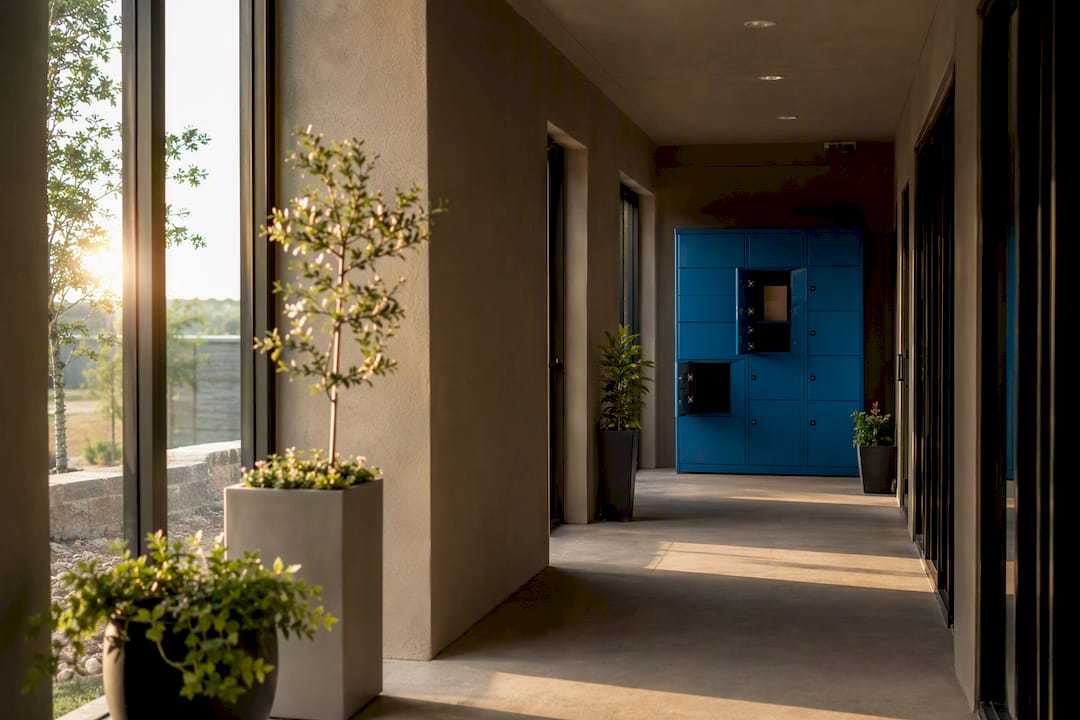
Prioritize package-management upgrades first: smart lockers or an automated package room, then fund modular, revenue-generating amenities behind them. That order isn’t arbitrary. It follows the money and the labor math. The immediate action for this quarter: have your regional manager or asset owner sign off on a single-building pilot pairing refrigerated lockers with unified access control before the next capital cycle closes. Get those two numbers in front of your finance team before you talk about anything else.
Key Takeaways
Package-management upgrades deliver the fastest operational payback among Utah apartment improvements, and modular installs preserve flexibility as resident demand shifts.
| Point | Details |
|---|---|
| Fund package systems first | Carrier compliance was the top concern for 60% of operators, ahead of cost and staffing worries. |
| Budget realistically | Quoted per property |
| Match solution to property size | Automated rooms suit 300+ unit buildings; locker banks fit mid-size suburban properties; hybrid staffing suits small sites. |
| Choose modular over built-in | Plug-and-play infrastructure lets you reconfigure amenities without structural renovation later. |
| Plan for Utah’s climate and codes | Schedule outdoor installs in shoulder seasons and confirm permitting before ordering hardware. |
| Consider Locker Solutions for pilots | Its Luxer One® lockers, refrigerated units, and access control integration match the top-ranked priorities above. |
Table of Contents
- What Are the Top Utah Apartment Upgrade Priorities Right Now?
- How Do You Decide Which Upgrade to Fund Next?
- What Should You Plan for After You Approve an Upgrade?
- Why Locker Solutions Fits This Priority List
- Do Utah Building Codes Affect Amenity and Locker Upgrades?
- How Should Utah’s Climate Shape Your Upgrade Timing?
- Ready to Pilot a Package Upgrade?
- Sources
What Are the Top Utah Apartment Upgrade Priorities Right Now?
Ranking upgrades by operational payback, not by what looks good on a leasing tour, changes the order almost every time. Here’s how the highest-impact options stack up.
-
Package-management systems (automated package rooms, indoor/outdoor lockers, refrigerated units). This sits at the top because it hits every lever at once: staff hours, resident satisfaction, and liability from lost packages. Pick this first at any property with more than 100 units.
-
Bulk internet and managed Wi-Fi. Tech packages can add roughly $75 to $80 per resident per month in ancillary revenue, often with minimal marginal install cost once wiring exists. Best for stabilized properties looking for a fast revenue bump.
-
Unified access control integration. Tying locker access, package rooms, and perimeter entry into one system closes audit gaps that otherwise generate resident disputes. This is infrastructure, not an amenity, but it multiplies the value of everything built on top of it.
-
Reserved premium parking or private garages. Low installation complexity, direct fee revenue, and strong demand in denser Utah submarkets with limited street parking.
-
Modular co-working or reserved office spaces. Cheaper than a full built-out business center and easier to reconfigure later. Fits properties with a meaningful work-from-home resident share.
-
Pet services (dog parks, pet wash stations). Moderate cost, strong retention driver, particularly in suburban and larger-format communities.
-
EV charging infrastructure. Worth prioritizing where local demand or new-construction code requirements make it unavoidable, but it rarely outpaces package systems on near-term ROI.
Pro Tip: Choose plug-and-play, modular installs over built-in fixtures wherever you can. A fixed clubhouse renovation locks you into one design for a decade; a modular locker bank or reconfigurable co-working nook lets you swap components as resident demand shifts, without a second round of structural work.
How Do You Decide Which Upgrade to Fund Next?
A scoring rubric beats gut instinct, especially when three stakeholders are arguing over one capital budget. Score each candidate upgrade from 1 to 5 across five criteria: resident demand or documented utilization gap, payback period, installation complexity, how much staff burden it removes, and whether it scales across your broader portfolio. Add the columns. Fund whatever clears the highest total first, not whatever the loudest voice in the room wants.
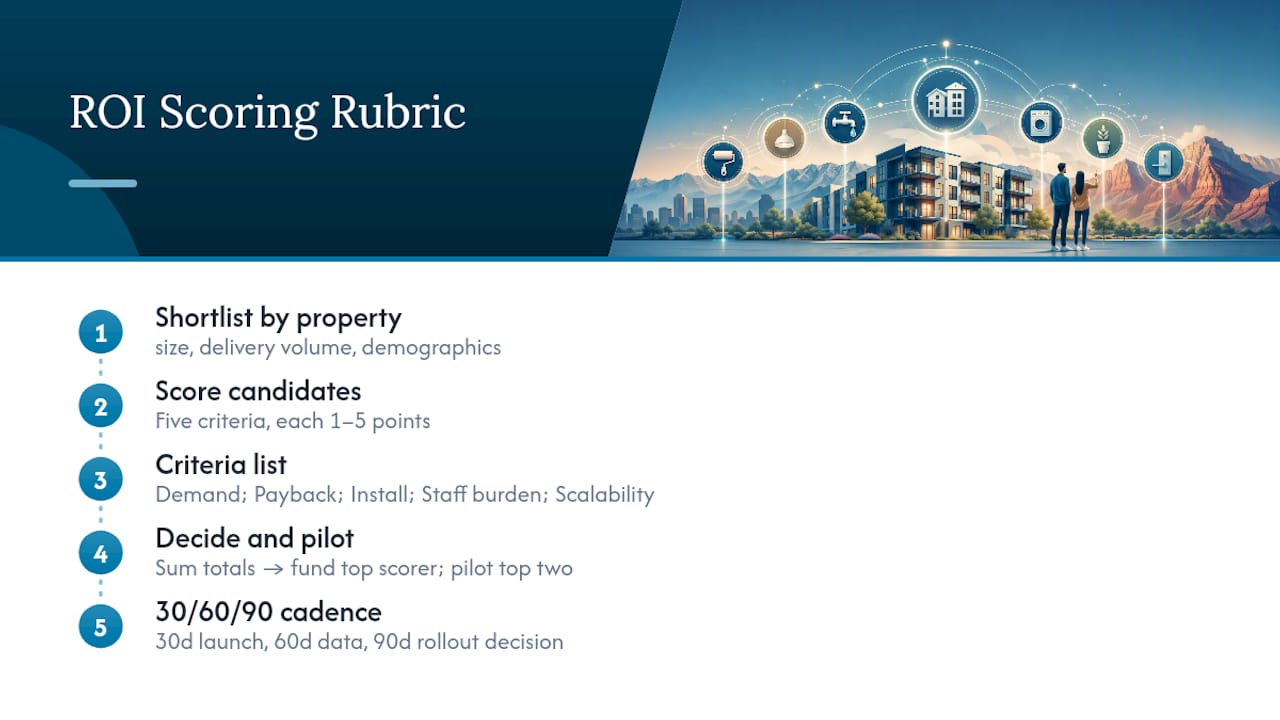
Property type should steer the shortlist before scoring even starts. Buildings over 300 units with high delivery volume generally justify a full automated package room; suburban communities in the 100 to 300 unit range typically do better with a locker bank sized to unit count; smaller sites often make more sense with a hybrid model that pairs light staffing with a compact locker cluster. Forcing an enterprise-grade package room onto a 60-unit property wastes capital that could fund three smaller wins elsewhere.
Resident demographics belong in the scoring, not just the property size. A building skewing toward remote workers and larger households drives heavier daily package and grocery-delivery volume, which pushes refrigerated lockers and co-working space up the list. High pet ownership shifts weight toward pet amenities. Run this scoring exercise in one meeting: present the shortlist, score together, and commit to a pilot on the two highest scorers. Set a 30/60/90-day cadence: 30 days for the pilot to go live, 60 days to gather utilization data, 90 days to decide on portfolio-wide rollout.
What Should You Plan for After You Approve an Upgrade?
Approval is the easy part. Execution stalls when procurement, integration, and staffing get treated as afterthoughts instead of a checklist.
Before signing anything, confirm these on the procurement side:
- Full project scope, including electrical and site-prep work, not just hardware pricing
- Warranty terms and what triggers a service call versus a chargeable repair
- Financing options if the property wants to spread cost rather than pay upfront
- A site survey scheduled before final contract signature
- A carrier engagement plan so USPS, UPS, FedEx, and Amazon all know the new drop procedure
On the integration side, confirm the system talks to your property management software, that locker or package-room access folds into the same unified access control platform as building entry, and that notification workflows, video surveillance, and audit trails are active from day one rather than added later.
Ongoing costs deserve equal attention. Budget for software fees on top of hardware, factor in spare-part turnaround, and decide whether staffing shifts toward a part-time attendant model. Track three numbers monthly: locker utilization rate, staff hours saved versus the old process, and average resident pickup time.
Pro Tip: Write your carrier communication SOP before installation day, not after the first missed delivery. A one-page instruction sheet posted at the mail area and emailed to local carrier hubs prevents the majority of early operational failures.
Why Locker Solutions Fits This Priority List
Locker Solutions, built on the Luxer One® platform, maps directly onto the highest-scoring items from the framework above. The product line covers indoor and outdoor electronic locker kiosks, refrigerated units for grocery and meal deliveries, fully automated package rooms, and access control that integrates locker entry with building-wide security under one audit trail.
- Indoor and outdoor weatherproof kiosks sized for property footprint
- Refrigerated lockers for temperature-sensitive deliveries
- Automated package room configurations for high-volume buildings
- Unified access control tied into existing PMS software
- Nationwide installation and ongoing maintenance support
Salt Lake City area deployments have shown the pattern play out in practice: properties moving from staffed package handling to a Luxer One® system report faster resident pickup and a measurable drop in the hours front-office staff previously spent logging and tracking deliveries.
The properties that see the fastest payback are the ones that treat package management as infrastructure, not an afterthought bolted onto the leasing office.
If a pilot makes sense for your next budget cycle, start with a site survey and a quote request through Locker Solutions’ automated package room guide.
Do Utah Building Codes Affect Amenity and Locker Upgrades?
Utah’s building code adoption runs through the Uniform Building Code Commission, and most municipalities layer local amendments on top of the state-adopted International Building Code and International Fire Code editions. Anything involving structural changes, electrical upgrades for EV charging, or new enclosures for package rooms typically triggers a permit review at the city or county level, not just a state-level check. Salt Lake City, Provo, and West Valley City each maintain their own permitting offices with their own review timelines, so a project that clears fast in one jurisdiction can sit longer in another.
Fire code compliance matters more than most operators expect for enclosed package rooms and locker banks, particularly around clearances, egress paths, and any electrical load added for refrigerated units or charging equipment. ADA accessibility requirements apply to locker height, reach range, and clear floor space at kiosks, which affects placement more than most site plans initially account for. EV charging installations almost always require an electrical permit and, depending on panel capacity, may need a utility coordination step with Rocky Mountain Power before installation can proceed.
None of this should stall a project, but it does argue for looping in a local contractor or your property’s engineer of record during the site survey, before equipment gets ordered. A permit delay discovered after hardware arrives costs far more than one caught during planning. Building this step into procurement, rather than treating it as a surprise, keeps timelines realistic and budget conversations honest.
How Should Utah’s Climate Shape Your Upgrade Timing?
Utah’s dry heat, heavy winter snow load, and sharp seasonal swings all affect which upgrades matter and when to schedule installation. Outdoor package kiosks and lockers along the Wasatch Front need weatherproofing rated for both summer highs that regularly clear 90 degrees and winter lows well below freezing, which is why exterior units built for genuine climate extremes outperform anything designed for a milder market.
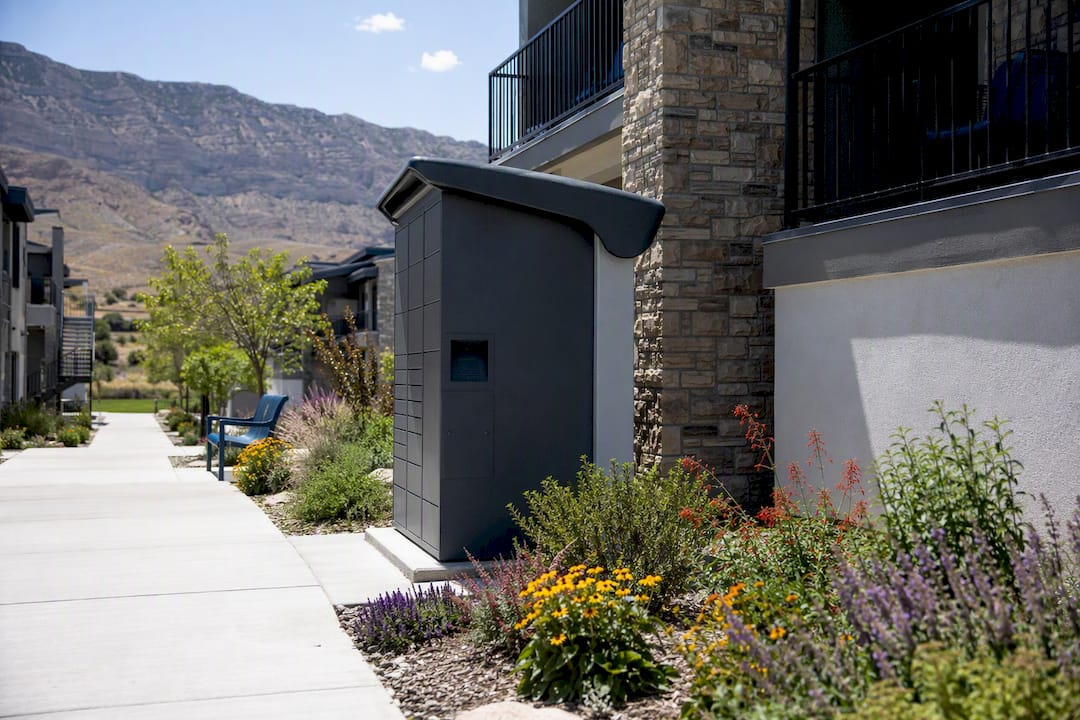
Delivery volume itself shifts with the seasons. Grocery and meal delivery spikes during winter storm periods when residents avoid driving, which is exactly the scenario where refrigerated lockers earn their keep, keeping perishables safe through a delayed pickup during a snow day. Summer brings its own surge around back-to-school moves and holiday shipping volume that starts climbing in November and peaks hard in December.
Installation timing matters as much as the equipment choice. Concrete work and exterior electrical runs for EV chargers or outdoor kiosks go faster and cost less in the shoulder seasons, spring and early fall, before ground freezes or summer heat slows curing times. Scheduling major site work for January in most Utah markets adds both cost and delay risk. Snow removal access around outdoor package areas also needs a plan before winter, not after the first storm, since blocked pathways to a locker bank defeat the entire convenience argument you’re funding it for.
A Note on Getting the Order Right
The most common mistake I see is funding one flashy amenity space before fixing the daily operational grind residents actually feel. A modular package pilot beats a rooftop deck almost every time on payback. Overbuilding square footage while under-indexing on workflow is the expensive version of this mistake.
Ready to Pilot a Package Upgrade?
Locker Solutions installs and maintains indoor and outdoor lockers, refrigerated units, and full package room management, often within weeks of a signed site survey rather than months. If carrier compliance and staff hours are the pain points keeping your leasing office backed up, a single-building pilot with unified access control built in is the fastest way to test the model before a portfolio-wide rollout.
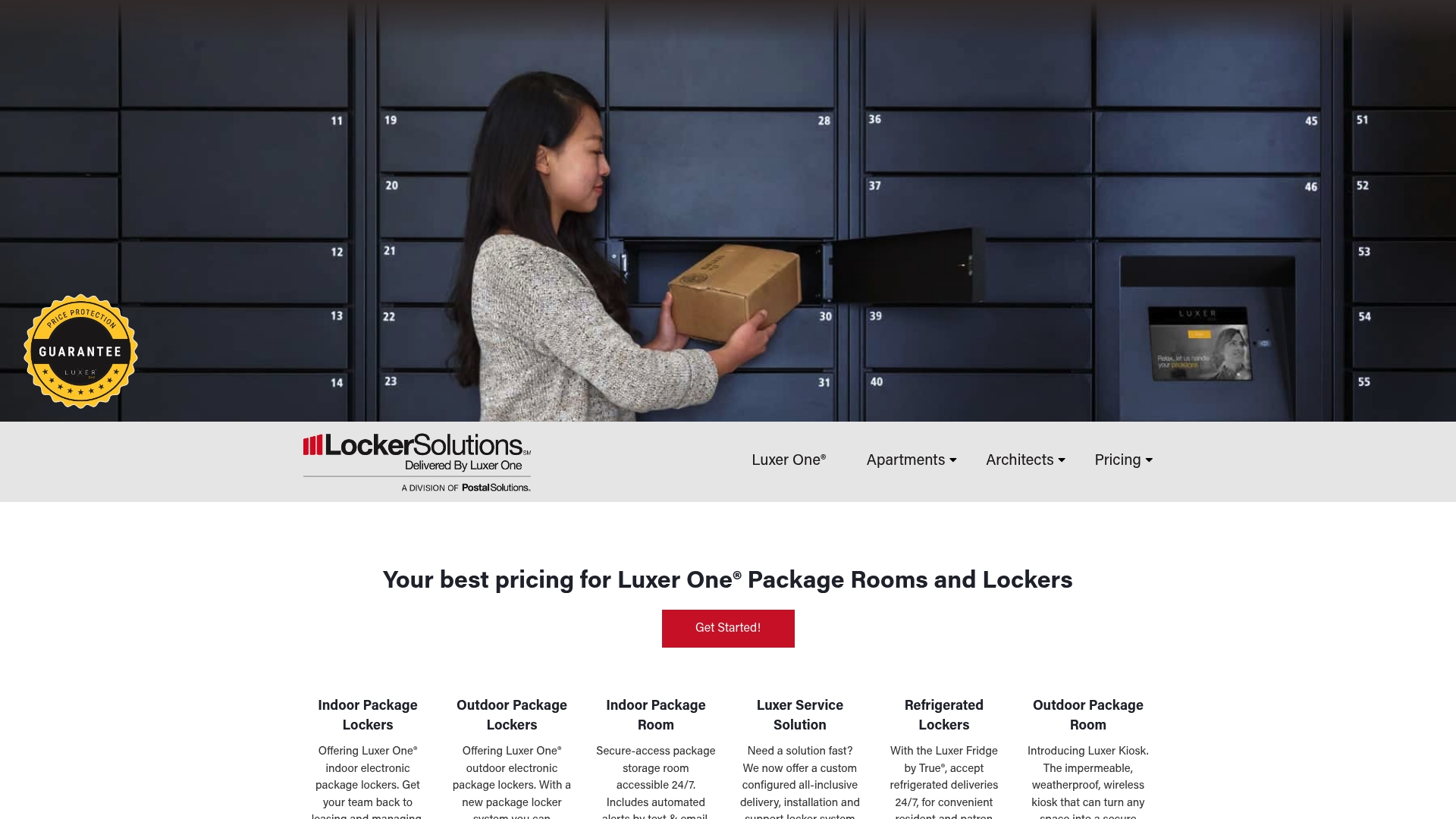
Whether your property needs a compact locker bank, a refrigerated section for grocery deliveries, or a fully automated package room, Locker Solutions scopes the install around your building’s footprint and resident volume. Request a quote through the package room management page or explore outdoor locker options to see what fits your next capital cycle.
Sources
- A Framework for Solving Multifamily’s Package Management Problem | Insights by Blueprint
- Ben Kasdan - Owners rethink amenities arms race - KTGY
Recommended
- Apartment ROI: Maximize Returns on Multifamily Properties — Locker Solutions Blog
- Common Utah Property Management Challenges: Owner’s Guide — Locker Solutions Blog
- Top Apartment Differentiators for Renters: 2026 Guide — Locker Solutions Blog
- Utah Multifamily Market Trends 2026: What Investors Need — Locker Solutions Blog
Ready for a Luxer One® package locker quote?
Tell us your unit count and we'll send right-sized pricing with a fast response time.
Get my free quote