September 9, 2026
Prioritize Audit Trails, Not Cameras for U.S. Property Managers
U.S. property managers: secure package locker privacy with encrypted credentials, searchable audit logs, signed firmware, and clear SLAs.
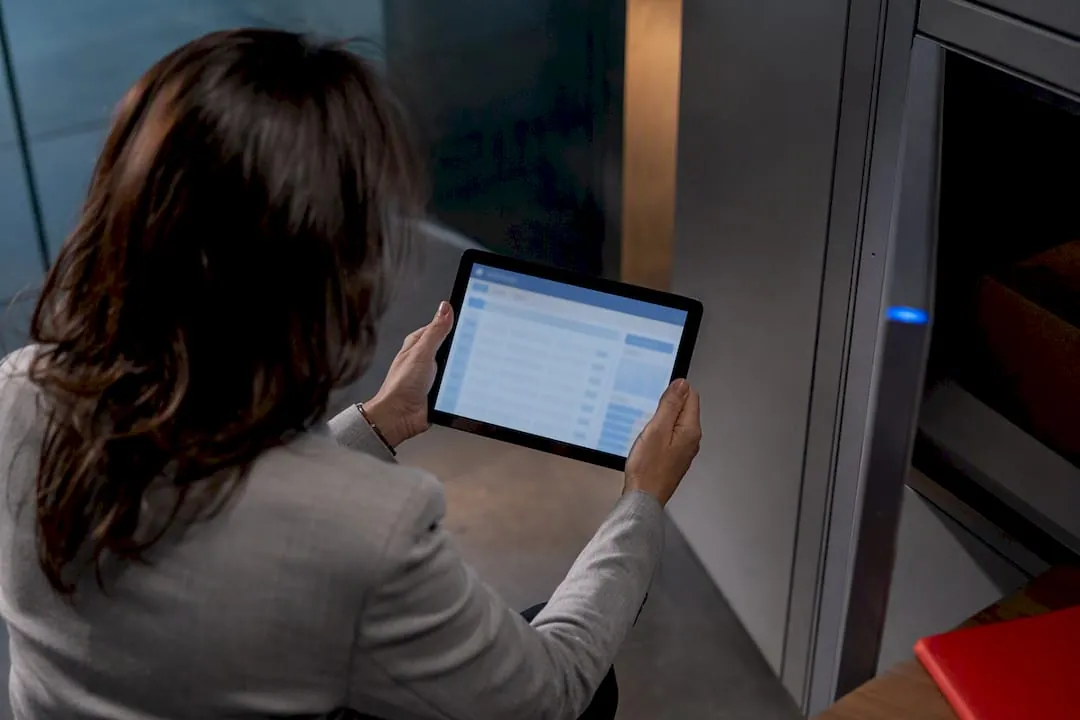
Smart package lockers are privacy-manageable, not a liability, when they run on encrypted credentials and searchable digital audit logs instead of blanket video surveillance. The single control to prioritize is the audit trail: it tells you who opened which compartment and when, without filming every resident who walks by. Regulators like the FTC and ADA care about how you configure the system, not whether you use one.
TL;DR:
- Encrypted credentials and searchable audit logs effectively protect privacy, reducing the need for continuous video surveillance in indoor package lockers.
- Proper data handling requires TLS encryption, server-side encryption at rest, role-based access control, and multi-factor authentication for administrators.
- Hardware should include signed firmware, secure boot, network segmentation, and tamper sensors, as these protect against physical and cyber vulnerabilities.
- Contracts must clearly assign data ownership, include breach response plans, patch management, remote access controls, and retention policies to ensure accountability.
- Cameras are generally unnecessary for indoor locker privacy, as audit logs alone can resolve most disputes and minimize legal and privacy risks.
Table of Contents
- What Package Locker Data Privacy Actually Means for Software
- Hardware and On-Site Sensors: What to Check Before Installation
- Vendor Contracts: Who Owns the Data and Who Answers for a Breach
- U.S. Rules That Actually Govern Locker Privacy
- Building a Privacy-First Operating Policy
- The Firmware Risks Nobody Mentions in the Sales Pitch
- How Luxer One Supports Privacy-First Deployments
- Why Cameras Are the Wrong Default
- Get Help Deploying a Privacy-Compliant Locker System
- Sources
What Package Locker Data Privacy Actually Means for Software
Package locker software touches more personal data than most property teams realize. A typical transaction logs the resident’s name, unit number, phone number or email, a delivery timestamp, carrier information, and sometimes a photo of the label for AI-powered package matching. None of that is exotic, but it adds up to a detailed record of who lives where and when they’re home to collect a package.
The technical bar for handling that data responsibly isn’t complicated, but it needs to be written into your procurement requirements rather than assumed. At minimum, require:
- TLS encryption for any data moving between the locker terminal, the cloud platform, and your property management software (PMS)
- Server-side encryption at rest for stored resident and transaction data
- Vendor attestations such as SOC 2 or ISO 27001 certifications, where the vendor can provide them
- Role-based access control (RBAC) so leasing staff, maintenance, and corporate admins see only what their job requires
- Multi-factor authentication (MFA) for any administrative login, plus logging of every admin session
Audit logs deserve special attention because they’re doing double duty as both the security record and the privacy-friendly alternative to cameras. A proper log is tamper-evident, meaning entries can’t be quietly edited after the fact, and it should be searchable and exportable so your team or a vendor can pull records fast if there’s a dispute over a missing package.
Pro Tip: Ask any locker vendor to walk through their patch and vulnerability management process before you sign anything. A vendor who can’t describe how often they push firmware updates or how they handle a disclosed flaw is telling you something about how they’ll handle the next one.
Hardware and On-Site Sensors: What to Check Before Installation
Not every smart locker needs a camera, and that distinction matters more than most property teams assume. A locker system built around authenticated access and a full digital audit trail records exactly who opened a given compartment and when, which is often sufficient evidence for resolving a missing-package dispute without recording anyone’s face. Camera-free designs sidestep a whole category of privacy exposure, storage cost, and resident pushback that comes with continuous filming in shared indoor spaces.
Hardware evaluation should still go deeper than “does it have a lens.” Build your procurement checklist around using best safety meeting software for construction to ensure comprehensive operational training and effective staff communication.
- Signed firmware updates so the device rejects unauthorized code
- Secure boot processes that prevent tampering during startup
- Protected EEPROM storage, since researchers have shown that unprotected chips can be physically extracted and read
- Network segmentation, keeping locker systems on their own VLAN separate from resident Wi-Fi or leasing office systems
- Physical tamper sensors and forced-open alarms, which flag break-in attempts without capturing any personal data at all
Ask any vendor for their IoT hardening documentation in writing, not just a verbal assurance during the sales call.
Vendor Contracts: Who Owns the Data and Who Answers for a Breach
The contract is where privacy policy either becomes enforceable or stays theoretical. Most locker deployments put the property in the role of data controller and the vendor as processor, meaning you decide why the data is collected and the vendor handles it on your behalf. That distinction needs to be written into the agreement, not implied.
A solid SLA covers more than uptime. Push for these terms specifically:
- Defined patch windows and a maximum response time for critical vulnerabilities
- Support hours and an escalation path for after-hours lockouts or system failures
- Forensic log export capability on request, with a stated turnaround time
- Breach notification commitments with a specific timeline, not just “promptly”
- Rules governing vendor remote access, including named technician credentials and session logging
- A data-retention and deletion schedule that applies when the contract ends
Negotiate these clauses before signing, not after an incident forces the conversation. A vendor unwilling to commit any of this to paper is a red flag regardless of how polished the hardware demo looks.
U.S. Rules That Actually Govern Locker Privacy
No federal law regulates package lockers by name, but several existing frameworks apply directly to how you deploy them. The FTC’s business guidance sets baseline expectations around data minimization, clear notice to consumers, and reasonable security practices. Following it doesn’t just reduce enforcement risk. It gives you a defensible standard to point to if a resident ever questions what data you’re collecting and why.
ADA design standards govern where and how locker banks can physically sit, including reach ranges and clearance requirements for residents using wheelchairs or other mobility devices. Document these measurements at installation, because accessibility complaints tend to surface long after the contractor has left the site.
Student housing carries an extra layer. If lockers are deployed on a campus or in university-affiliated housing, FERPA limits how much student-identifying information can be exposed through delivery notifications or shared dashboards. Keep the pickup notification data as thin as possible: a locker number and a code, not a full name tied to a room assignment visible to shared staff accounts.
State breach-notification laws vary, but nearly all of them require timely notice to affected individuals if personal data is exposed, and most expect some form of record-keeping showing what happened and when. Build that expectation into your incident response plan now rather than discovering the requirement mid-crisis.
A practical compliance checklist for any deployment should include these points:
- A posted privacy notice explaining what data the locker system collects
- A written retention schedule for logs and any footage
- Signage near camera-equipped installations, where cameras are used at all
- A documented lawful basis for any camera deployment, tied to a specific security need rather than default policy
Industry data on delivery security shows that pairing analytics with secure pickup points, rather than relying on cameras alone, cuts theft risk while keeping the privacy footprint smaller.
Building a Privacy-First Operating Policy
The technology only holds up if the policy around it does too. Here’s a sequence that works for most multifamily properties:
- Write a short resident-facing privacy notice. State what the locker system collects, how long it’s kept, and who can access it. Two paragraphs is enough.
- Default to access logs over cameras. Reserve video for outdoor installations or high-theft areas where the audit trail alone isn’t a strong enough deterrent, and even then, prefer motion or alarm-triggered capture over continuous recording.
- Set explicit retention windows. A common approach keeps access logs for a defined period tied to your lease-dispute window, and any camera footage for a much shorter cycle, documented in writing so staff aren’t guessing.
- Build an incident response flow. When a resident reports a missing package, staff should know exactly which log to pull, who has export authority, and how fast a response is expected.
- Check in with residents periodically. A short survey or town hall catches “privacy creep,” those small feature additions, like a new camera angle or a data field nobody asked for, before they become a trust problem.
Pro Tip: Put your retention schedule in writing even if no regulation forces you to. When a resident disputes a charge or a delivery six months later, “we don’t have a documented policy” is a much worse position than “our policy says 90 days, and here’s the log.”
Resident pushback over visible cameras in shared spaces is well documented outside the package locker world too, and it’s a preview of what happens when transparency lags behind the hardware rollout.
The Firmware Risks Nobody Mentions in the Sales Pitch
Security researchers have demonstrated that administrative keys can be physically extracted from the EEPROM chips on certain electronic locker models. Once an attacker has that key, they can potentially clone access credentials or open compartments without ever touching the software layer. It’s a hardware problem, not a software patch away.
The fix isn’t complicated, but it has to be deliberate:
- Require unique PIN policies rather than shared or default codes
- Rotate access tokens on a regular schedule, and immediately after any suspected compromise
- Confirm the vendor ships signed firmware and disables unused debug ports before installation
- Insist that admin keys are encrypted at rest on the device, not stored in plaintext
Before signing off on any installation, ask for evidence of third-party penetration testing or vulnerability scanning, and set acceptance criteria tied to that report rather than a verbal assurance. A vendor confident in their hardware will have this documentation ready.
How Luxer One Supports Privacy-First Deployments
This guide describes principles such as encrypted access credentials, searchable digital audit trails, and rapid deployment to help properties balance speed and security when deploying secure lockers and package rooms.
- Unified access control systems can link building entry and locker access credentials to reduce the number of separate logins and cards a property must manage
- Automated pickup alerts and package matching features can help reduce manual handling that leads to data exposure
- Installation and ongoing maintenance support services help ensure patch and hardware issues are addressed through a single accountable vendor relationship rather than multiple contractors
For a property team trying to translate audit-log and access-control requirements into an actual installed system, Luxer Access is built specifically around that unified logging and credentialing approach.
Why Cameras Are the Wrong Default
Most locker privacy conversations start with the wrong question. Property teams ask “should we add cameras” when the better question is “does the audit log already answer this.” In nearly every indoor deployment, it does. The log tells you who opened a compartment and when, which resolves the vast majority of missing-package disputes without anyone’s face ever being recorded.
Conventional advice defaults to CCTV because it feels like more security, but it’s actually a heavier privacy and legal burden for a marginal forensic gain in most indoor settings. Cameras make sense in exposed outdoor installations or areas with a documented theft pattern, and even there, alarm-triggered capture beats continuous recording. What the research consistently supports is that firmware integrity and access-log discipline matter more than any camera ever will, because a compromised admin key defeats a camera just as easily as it defeats a log.
If there’s one thing property managers should do differently this year, it’s stop treating cameras as the default security add-on and start treating the audit trail, and the contract language protecting it, as the real control worth negotiating hard for.
Get Help Deploying a Privacy-Compliant Locker System
Every control this guide covers, encrypted credentials, searchable audit trails, signed firmware, and enforceable SLAs, is easier to implement when installation, access control, and maintenance come from one accountable vendor rather than multiple disconnected contracts. Systems featuring indoor and outdoor units, refrigerated lockers, and managed package rooms can be configured accordingly.
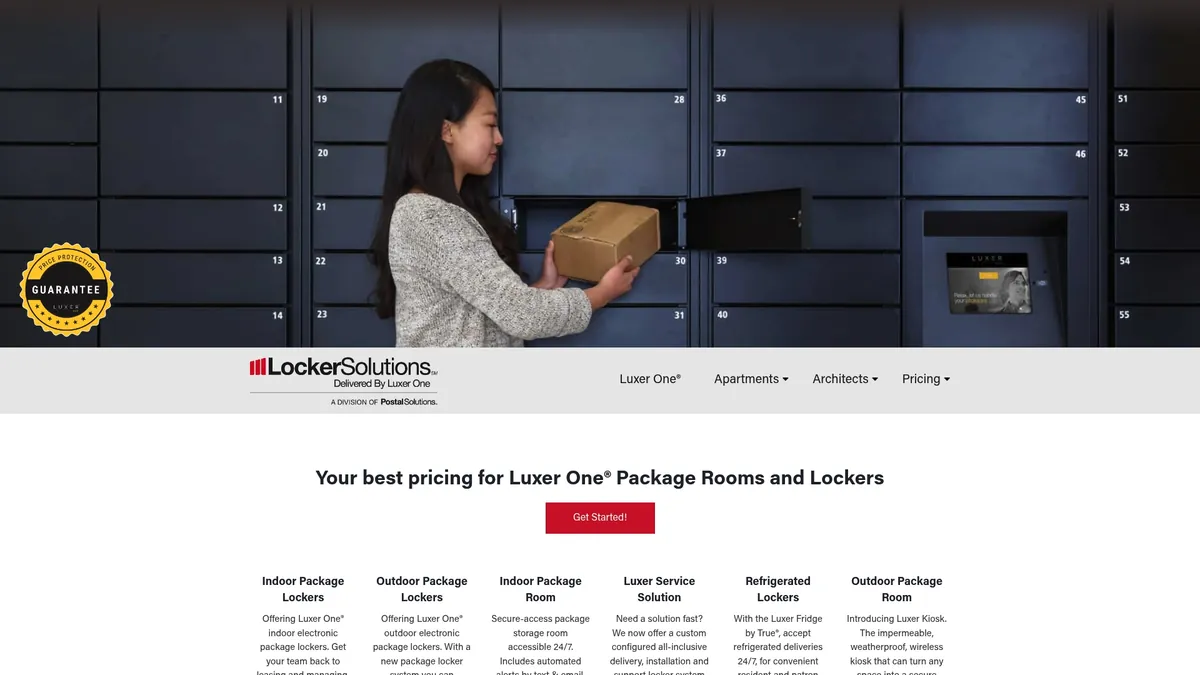
If your property is evaluating a new locker system or auditing an existing one against the controls in this guide, Luxer Access shows how unified credentialing and logging work in practice, and the managed package room service covers ongoing maintenance and support if you’d rather not own that burden internally. Request a site consultation to get a configuration built around the privacy and compliance requirements your property actually faces.
Sources
- Your gym locker may be hackable, WIRED
- Business guidance, Federal Trade Commission (FTC)
- Ada
- Eight best practices for safe, secure package delivery, UPS
Recommended
Ready for a Luxer One® package locker quote?
Tell us your unit count and we'll send right-sized pricing with a fast response time.
Get my free quote