May 7, 2026
How video surveillance boosts package security in multifamily buildings
Discover the critical role of video surveillance in package security for multifamily buildings. Boost safety and protect your residents' deliveries!
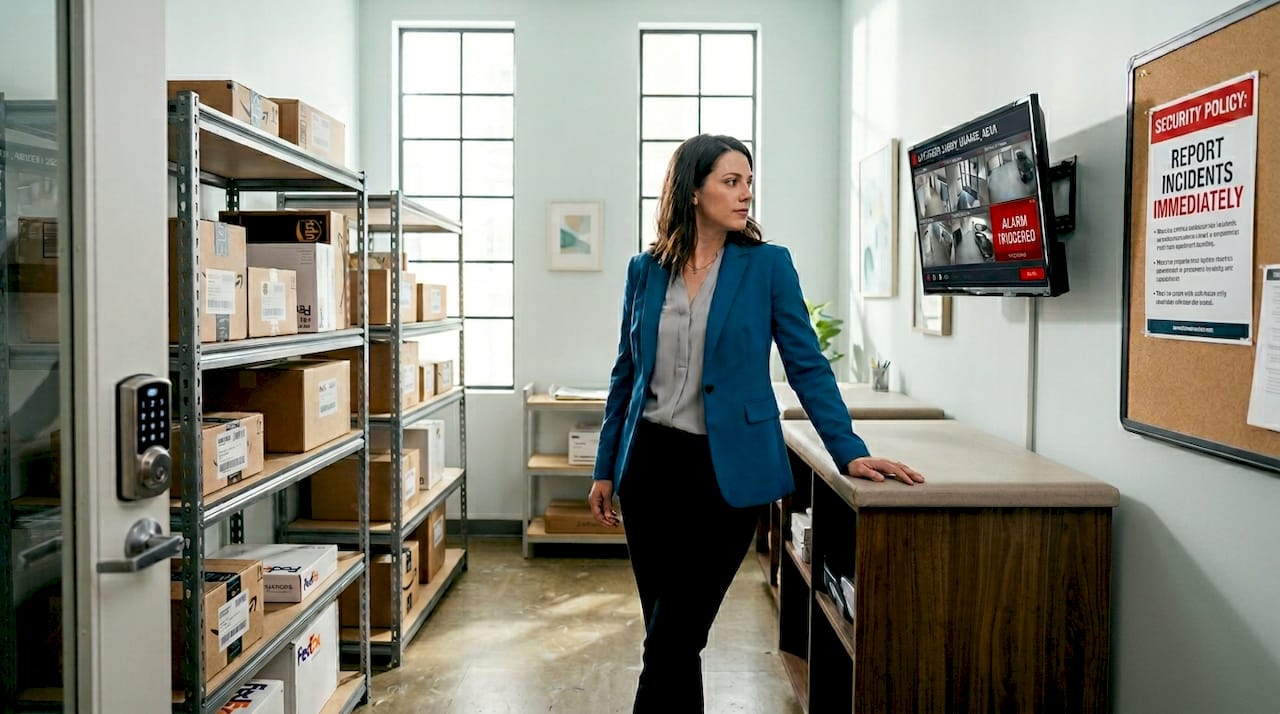
Package theft in multifamily properties is no longer a minor inconvenience. It has grown into a serious liability issue that costs residents money and costs property managers reputation. Many communities still rely on outdated camera setups that look the part but fail to deliver when an incident actually occurs. This article walks you through why modern, commercial-grade video surveillance is now a critical layer of any serious package security strategy, and how integrating it with smart locker systems turns a reactive problem into a proactive solution.
Table of Contents
- The evolving package security challenge in multifamily buildings
- Why basic security cameras fall short in high-traffic multifamily settings
- Key features of advanced video surveillance for package security
- Best practices for deploying surveillance without eroding resident trust
- Maximizing return: Integrating video surveillance with package management systems
- A candid take: Why people-focused policies matter as much as the tech
- Explore advanced package security solutions
- Frequently asked questions
Key Takeaways
| Point | Details |
|---|---|
| Basic cameras aren’t enough | Consumer security cameras fail to cover high-traffic package areas and can’t deliver evidence property managers need. |
| Choose privacy-safe, smart tech | Advanced surveillance uses AI search without facial recognition, balancing security and trust. |
| Transparency builds resident trust | Disclose camera use, avoid invasive features, and update policies to keep residents informed and protected. |
| Integrated solutions boost ROI | Combining smart lockers with video surveillance cuts complaints, reduces manual work, and enhances resident satisfaction. |
The evolving package security challenge in multifamily buildings
The surge in e-commerce has fundamentally changed what property managers are responsible for. The average household now receives dozens of packages per month, and in a large multifamily building, that volume can push into the hundreds of deliveries every single day. Mail rooms and package areas that were designed years ago were simply never built to handle this kind of traffic.
The consequences show up fast. Package theft affects nearly 1 in 3 Americans every year, and the problem is especially concentrated in dense residential communities where packages pile up in lobbies or unsecured mail areas. When a resident reports a stolen package, your team gets pulled into the investigation. That takes time, triggers insurance questions, and can easily spiral into a formal complaint or a negative online review that damages leasing.
The older approaches many properties still use simply do not hold up:
- Lobby cameras capture wide-angle footage but lack the resolution needed to identify individuals in dimly lit or crowded areas.
- Staff monitoring is not scalable. No front desk team can watch package deliveries and pickups 24 hours a day, seven days a week.
- Manual package logs create gaps in the chain of custody, making it almost impossible to pinpoint exactly when and where a theft occurred.
- Basic notification systems alert residents after a package arrives but offer no protection once it’s sitting in an unsecured area.
Property managers are now navigating a serious three-way tension: resident expectations are higher than ever, the theft threat is smarter and more frequent, and the tools most buildings have in place were designed for a very different era.
Why basic security cameras fall short in high-traffic multifamily settings
Here is something that surprises a lot of property teams: buying a popular consumer camera brand and mounting it in your package room is not a security upgrade. It is a false sense of security. These devices were engineered for single-family homes with low foot traffic and predictable activity patterns. A multifamily building is an entirely different environment.
“Consumer-grade cameras are simply not equipped to handle the volume, complexity, and legal requirements that come with multifamily package security. Properties that rely on them are leaving themselves exposed.” — Propmodo
According to commercial VMS requirements for multifamily, consumer cameras are unsuitable for high-traffic areas and need to be replaced with commercial video management systems that include AI search and active monitoring capabilities.
The gaps are specific and consequential:
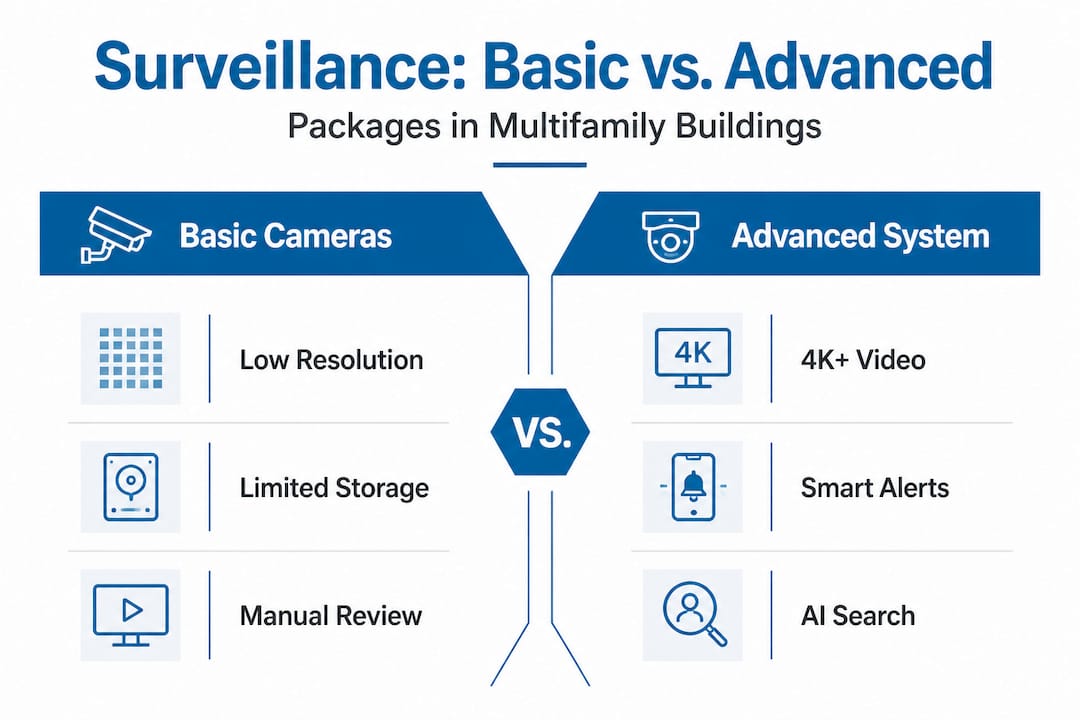
- Low resolution in crowded conditions means footage often cannot clearly identify a person when multiple residents are moving through the space at once.
- Limited storage causes older footage to be overwritten before you even know an incident occurred.
- No real-time alerts means your team finds out about a problem hours or days after the fact.
- Poor low-light performance leaves significant blind spots during evening and overnight hours when theft risk is highest.
- No integration with access control or locker systems means you can’t match a video timestamp to a specific locker access event.
Sophisticated thieves have also learned how to defeat simple camera setups: covering their faces, wearing generic clothing, or simply moving quickly and confidently through a building as if they belong there. Without advanced search features tied to commercial-grade surveillance technology, investigations go nowhere even when the footage exists.
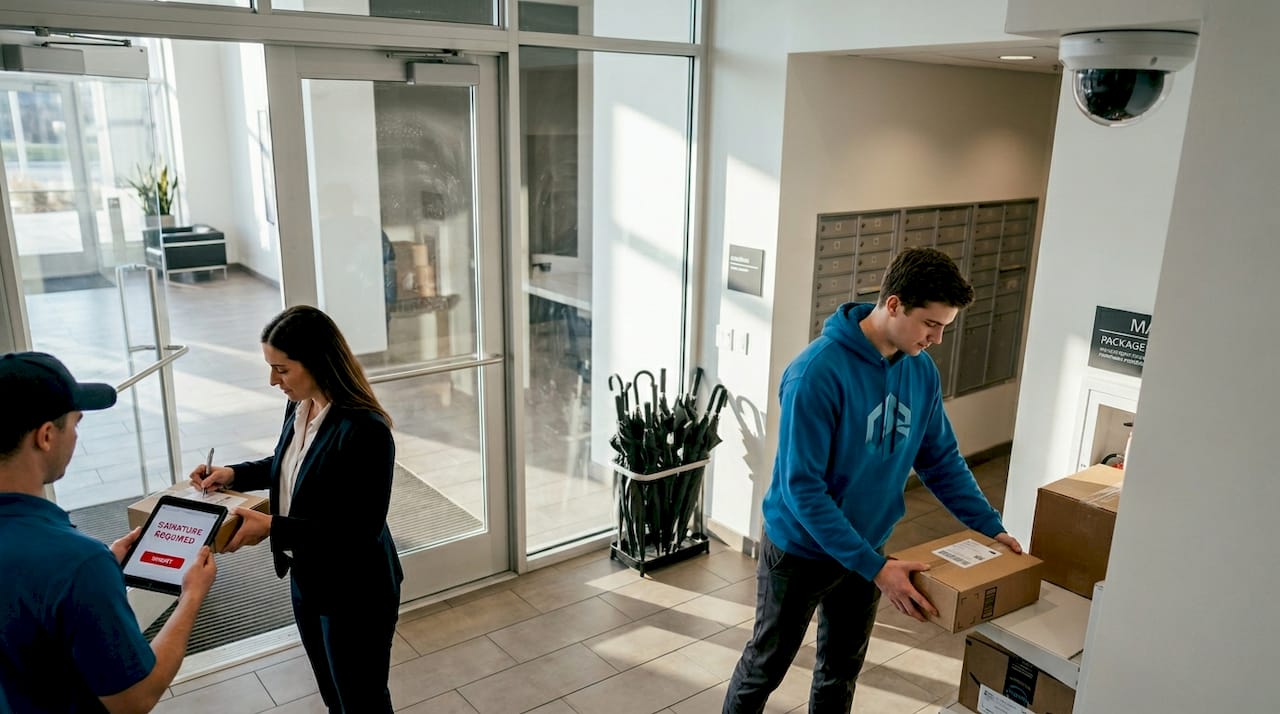
Then there is the legal dimension. If you are using cameras incorrectly, storing footage carelessly, or failing to notify residents properly, you may be creating a liability exposure rather than reducing one. The evidence standard for insurance claims and law enforcement is higher than most property managers realize.
Key features of advanced video surveillance for package security
Not all commercial video systems are created equal. When you are evaluating options for your building’s package areas, there are specific features that separate a capable system from one that simply looks impressive on a spec sheet.
Here is a quick comparison of consumer versus commercial solutions in key areas:
| Feature | Consumer cameras | Commercial VMS |
|---|---|---|
| Video resolution | 1080p, drops under load | 4K+, consistent in busy areas |
| Storage | Local, limited, easy to lose | Cloud backup, long retention |
| Search capability | Manual scrubbing | AI search by appearance or clothing |
| Alerts | Basic motion triggers | Event-based, customizable |
| Integration | Minimal | Access control, locker systems |
| Support | Self-serve, no SLA | Professional monitoring and response |
The most significant capability gap is AI-powered search. Rather than sitting through hours of footage manually, modern systems let you search for incidents using descriptors like clothing color, item type (like a bag or cart), or approximate time window. Critically, appearance-based search offers the practical benefits of identification without the legal and ethical risks that come with facial recognition technology. This is an important distinction because facial recognition is either restricted or outright banned in many jurisdictions.
Here is a practical step-by-step for evaluating a commercial video system:
- Audit your current camera locations to identify coverage gaps, especially in package pickup zones, building entries, and elevator lobbies.
- Define your incident response workflow so you know exactly what evidence you will need when a theft is reported.
- Evaluate storage and retention policies to make sure footage is available for at least 30 days and backed up off-site.
- Confirm integration options with your existing access control and monitored package room solutions.
- Review the vendor’s privacy framework to make sure their system aligns with local laws and does not default to facial recognition.
- Test real-world search performance using sample scenarios before committing to a full installation.
Pro Tip: Ask vendors to demonstrate an AI video search on actual footage from a busy building before you sign any contract. The difference in speed and accuracy between systems is often dramatic, and you’ll make a much more informed decision with a live example in front of you.
When you connect advanced video management to AI video management platforms built for multifamily operations, you also gain remote access, meaning a property manager can review an incident from home on a Sunday night rather than waiting until Monday morning.
Best practices for deploying surveillance without eroding resident trust
Effective surveillance and resident trust are not opposites. In fact, when you handle deployment transparently, security cameras become a meaningful amenity rather than a source of anxiety. The challenge is that many properties skip the communication work entirely and wonder why residents feel uncomfortable.
Research consistently confirms that privacy concerns in common areas can erode tenant trust significantly, and that transparency combined with limiting invasive technology is essential to maintaining community confidence.
Here is a practical framework for responsible deployment:
| Action | Why it matters |
|---|---|
| Post clear signage at all camera locations | Meets legal requirements and sets honest expectations |
| Include camera policy in lease agreements | Creates a documented disclosure that protects both parties |
| Define who has access to footage | Limits misuse and reassures residents about privacy |
| Avoid facial recognition technology | Reduces legal risk and prevents discrimination concerns |
| Publish an annual security report | Shows residents that the investment is producing real results |
Beyond documentation, training matters enormously. Your front desk staff and maintenance team need to know exactly what they are and are not allowed to do with footage. Unauthorized sharing of video is a serious liability exposure. Access should be role-based, logged, and audited regularly.
Pro Tip: Consider hosting a short resident information session when you introduce or upgrade your surveillance system. Even 20 minutes of honest conversation about what cameras are installed, where, and why builds significantly more goodwill than a flyer slipped under the door.
Additional best practices for ongoing operations:
- Review camera placement annually as your building’s traffic patterns change.
- Update policies in response to new local laws, especially as state-level privacy regulations continue to evolve.
- Communicate wins, such as theft incidents resolved or deterred, to residents through your newsletter or portal.
- Create a simple reporting channel so residents can flag suspicious activity without needing to come to the office.
Tying surveillance clearly to your package lockers and video solutions creates a story residents can understand: the cameras protect the lockers, the lockers protect the packages, and together they protect the community.
Maximizing return: Integrating video surveillance with package management systems
The full value of advanced video surveillance only emerges when it is connected directly to your package management workflow. Standalone cameras provide evidence. Integrated systems prevent problems before they escalate and dramatically cut the time your staff spends managing incidents.
Here is how integration creates a meaningful operational difference:
- Automated event matching: When a resident picks up a package, the locker system logs the time, locker number, and access credential. A connected video system pulls the matching footage automatically, so you have both a digital record and visual confirmation in seconds.
- Triggered alerts for unusual activity: If a locker is opened and then a package is not logged as picked up within an expected window, the system flags it for review. This catches issues in near-real-time rather than after a complaint.
- Remote incident management: A property manager investigating a missing package report can pull up the relevant video clip and the access log from any device, at any time. This reduces the investigation from hours to minutes.
- Reduced front desk burden: When residents know that video and locker logs work together, they are far more likely to submit structured reports rather than walking up to the front desk in frustration. That shift alone saves significant staff time.
- Scalable for specialty deliveries: If your property uses refrigerated locker solutions for grocery or meal kit deliveries, integrated video adds a chain of custody record for high-value or time-sensitive items.
Pro Tip: Map out your most common theft complaint scenarios before configuring alerts. Most properties find that just three or four specific triggers, such as locker access outside business hours or multiple failed access attempts, cover the majority of real incidents. Narrow, precise alerts reduce alert fatigue and keep your team focused.
The leasing benefit is also real. A visibly secure package room with modern lockers and clearly positioned cameras is an asset your leasing team can point to. Residents increasingly factor package security into their housing decisions, and properties that can demonstrate a robust, integrated system have a genuine competitive edge.
A candid take: Why people-focused policies matter as much as the tech
Here is something the vendor brochures tend to skip: the best surveillance system in the world will underperform if the culture around it is weak. We have seen properties install six-figure systems and still struggle with unresolved theft incidents, not because the technology failed, but because no one defined clear processes, trained staff properly, or communicated expectations to residents.
Technology creates capability. People create outcomes. That distinction is worth taking seriously.
The properties that genuinely reduce theft and improve resident satisfaction are the ones that treat surveillance as part of a broader accountability culture. That means staff who know how to use the tools, residents who understand the system and trust it, and managers who review outcomes regularly and communicate results openly.
The integration of hardware with staff workflows and daily operations is where the return on investment actually lives. A system that no one is trained to use becomes shelf ware. A system embedded into daily property operations becomes a genuine community asset.
The uncomfortable truth is that some properties use surveillance as a liability shield rather than a resident service. Cameras get installed to satisfy insurance requirements, and no one thinks about the footage again until something goes wrong. That approach wastes the investment and misses the larger opportunity: building a community where residents feel genuinely cared for, packages are reliably secure, and the property team can spend their time on high-value work instead of chasing down stolen deliveries.
Explore advanced package security solutions
Advanced surveillance technology is only half the equation. When you combine it with purpose-built package management infrastructure, your property gets a system that is greater than the sum of its parts.
At Locker Solutions, we specialize in Luxer One indoor solutions and package management systems engineered for the real demands of multifamily properties. Our configurations include indoor electronic lockers, automated package rooms, refrigerated units, and weatherproof kiosks, each designed to integrate with modern surveillance and access control platforms. Whether you are retrofitting an existing building or specifying a new development, our team provides professional consultation, custom configuration, and ongoing support. Explore our full range of package rooms and lockers to find the right fit for your community’s size, layout, and delivery volume.
Frequently asked questions
Do multifamily properties legally need to avoid facial recognition in video surveillance?
Most legal and privacy experts recommend avoiding facial recognition due to state-level privacy laws and the risk of eroding resident trust. Systems that search by appearance or clothing offer effective identification without the same legal exposure.
What are the main drawbacks of using consumer security cameras in package rooms?
Consumer cameras lack the resolution, storage capacity, and AI search features that high-traffic package areas require. As noted in multifamily camera guidance, they leave properties unable to produce usable evidence for law enforcement or insurance claims.
How can property managers address resident privacy concerns?
Post clear signage at all camera locations, include camera policies in lease agreements, and avoid invasive technologies like facial recognition. Transparency about camera placement policies is the single most effective way to maintain resident confidence.
What is the biggest benefit of integrating lockers and video surveillance?
Integration allows property teams to match locker access records with video footage in seconds, cutting investigation time dramatically and reducing the burden on front desk staff while giving residents faster resolution when issues arise.
How do you communicate surveillance value to residents?
Share concrete results, such as theft incidents resolved or deterred, through your resident newsletter or building portal. Inviting resident input on camera placement and policy updates also builds meaningful trust and signals that you treat security as a shared community responsibility.
Recommended
Ready for a Luxer One® package locker quote?
Tell us your unit count and we'll send right-sized pricing with a fast response time.
Get my free quote