May 14, 2026
Top benefits of automated delivery systems for multifamily properties
Discover the benefits of automated delivery systems for multifamily properties. Streamline package management and enhance resident satisfaction today!
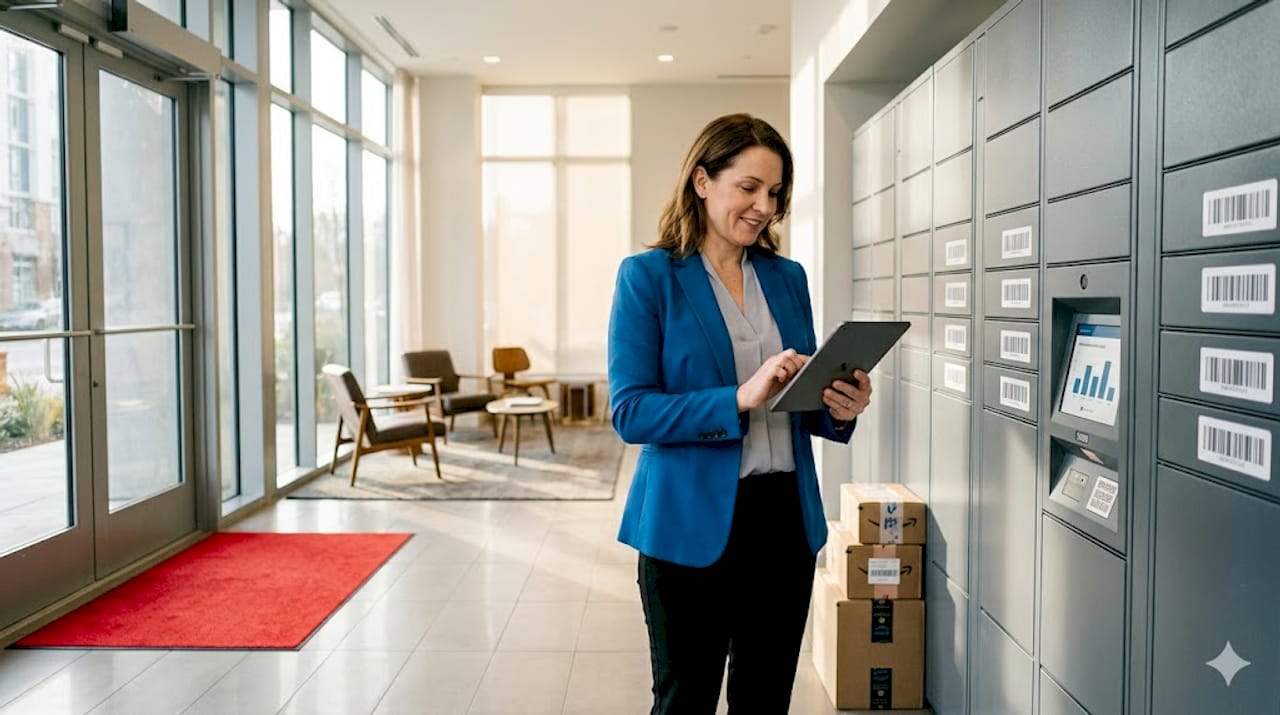
Package volume at multifamily properties has grown so fast that traditional delivery management simply cannot keep pace. Staff spend hours sorting parcels, residents complain about missed deliveries, and leasing offices turn into makeshift warehouses. Automated delivery systems promise a way out, but with so many options on the market, the challenge shifts from managing packages to choosing the right platform. This article walks through the criteria that matter, the benefits you can realistically expect, and the factors that determine whether automation actually works in your building.
Table of Contents
- Establishing selection criteria for automated delivery systems
- Five key benefits of automated delivery systems
- Feature comparison: Automated delivery locker systems
- Making the right choice for your property
- The overlooked reality: Automation is only as strong as your workflows
- Explore automated locker solutions for your multifamily property
- Frequently asked questions
Key Takeaways
| Point | Details |
|---|---|
| Efficiency boost | Automated delivery systems streamline operations and reduce staff workload at multifamily properties. |
| Security upgrade | Secure lockers and access controls minimize the risk of package theft and loss. |
| Resident satisfaction | Convenient, reliable delivery improves resident experience and retention. |
| Customization matters | Successful automation depends on matching locker features and workflows to property-specific needs. |
| Workflow is critical | Automation only works effectively when backed by robust exception handling and access processes. |
Establishing selection criteria for automated delivery systems
With the package problem in focus, let’s get into what criteria property managers should use to evaluate automated delivery systems before committing to any solution.
Choosing the wrong system is an expensive mistake, and it happens more often than vendors admit. The right evaluation starts with four core pillars:
- Locker capacity and package volume. Count your daily inbound packages across every carrier, including Amazon, UPS, FedEx, USPS, and regional couriers. Undersized systems fill up fast, which forces staff to manage overflow manually. Oversizing wastes capital. A good rule: size for peak volume, not average volume.
- Carrier integration and exception rates. Every carrier has slightly different delivery protocols. A system that works perfectly with one carrier may generate constant exceptions with another. Exceptions are deliveries that cannot be completed automatically and fall back to manual handling. High exception rates quietly erase the efficiency gains you expected.
- Access control and workflow compatibility. Your building’s entry system, fob access, and leasing software all need to talk to the locker platform. As one industry analysis notes, automation fails when physical access barriers or poor delivery instructions are left unaddressed. This is not a hardware problem. It is a process problem hiding inside a hardware decision.
- Resident experience and convenience. Think about your resident mix. Working professionals want 24/7 pickup access. Older residents may need simpler touchscreens or phone-based access codes. Families receiving oversized shipments need larger compartments. The system that works for a luxury high-rise may frustrate residents at a garden-style community.
One feature worth prioritizing early is how the system handles notifications. Automated package alerts that send real-time text and email confirmations reduce no-show pickups and help residents plan around their schedules.
Pro Tip: Evaluate exception handling workflows before you finalize any vendor contract. Ask vendors to walk you through exactly what happens when a package is too large for available compartments, when a resident never picks up, and when a carrier fails to scan correctly. The answers reveal how much manual labor remains after “automation.”
Five key benefits of automated delivery systems
Once your selection criteria are clear, you can accurately measure the specific advantages these systems deliver when implemented correctly.
-
Streamlined operations that reduce staff burden. Leasing staff at a 300-unit property can spend 90 minutes or more each day signing for, sorting, and notifying residents about packages. Automated systems absorb that entire workflow. Carriers deposit packages directly into lockers, residents get notified automatically, and pickups happen without any staff involvement. That time savings compounds across weeks and months into significant labor cost reductions.
-
Enhanced package security and theft reduction. Porch piracy and lobby theft are real problems at multifamily properties. A locked, audited compartment with video surveillance is a substantial deterrent. For verified secure package delivery, every transaction is logged with a timestamp, carrier scan, and resident access event. That audit trail matters when residents dispute a missing item, because it protects both the resident and the property.
-
Improved resident convenience and satisfaction. Residents can pick up packages at 2 a.m. if they want to. There are no office hours, no waiting in line, and no chance of a package being misdelivered to the wrong unit. This kind of frictionless experience ranks high in resident satisfaction surveys, and it directly influences lease renewal decisions at competitive properties.
-
Reduced leasing office congestion. A busy leasing office handling package inquiries loses selling time. Staff pulled away to answer “where is my box?” questions cannot run tours, process applications, or resolve maintenance requests. Moving packages out of the office and into indoor delivery lockers restores focus and improves the overall professionalism of the leasing environment.
-
Better tracking and notification systems. Modern automated systems generate real-time data on delivery volume, compartment utilization, exception rates, and pickup times. This is operational intelligence you simply do not have with manual processes. You can identify which days overflow capacity, which carriers generate the most exceptions, and how long the average package sits before pickup.
“Evaluate claims about theft reduction and payback by analyzing package mix, exception rate, locker capacity, and integration with workflow.” Smart Living
Pro Tip: Track exception rates as a key performance indicator from day one. If exceptions stay above 10 to 15 percent of daily deliveries, your workflow or carrier integrations need attention before the problem escalates.
Feature comparison: Automated delivery locker systems
Next, compare the features of leading automated delivery system categories to understand which configuration fits your property profile best.
Different property types have genuinely different needs, and vendors that offer only one configuration will try to fit your building into their product. Resist that. Below is a practical comparison of the main system types you will encounter.
| System type | Best for | Capacity | Access control | Weather resistance | Refrigerated option | Notification method |
|---|---|---|---|---|---|---|
| Indoor electronic lockers | Mid-to-high-rise, climate-controlled lobbies | Medium to large | PIN, fob, app | Not required | Rarely | SMS, email, app |
| Outdoor weatherproof lockers | Garden-style, townhomes, rural communities | Medium | PIN, app | High (UV, rain, heat) | Rarely | SMS, email |
| Refrigerated lockers | Properties near grocery delivery hubs | Smaller compartments | PIN, app | Varies | Yes | SMS, email, app |
| Automated package rooms | High-volume, large communities (300+ units) | Very large | Keypad, fob, facial | Optional | Optional | SMS, email, app |
| Weatherproof kiosks | Mixed-use, high-traffic outdoor areas | Medium | PIN, app, QR code | Very high | No | SMS, email |
As the research confirms, compare locker systems based on package size mix, capacity, access control, and workflow integration to make a decision that holds up over time. Properties that skip this analysis often find themselves retrofitting a solution one year after installation.
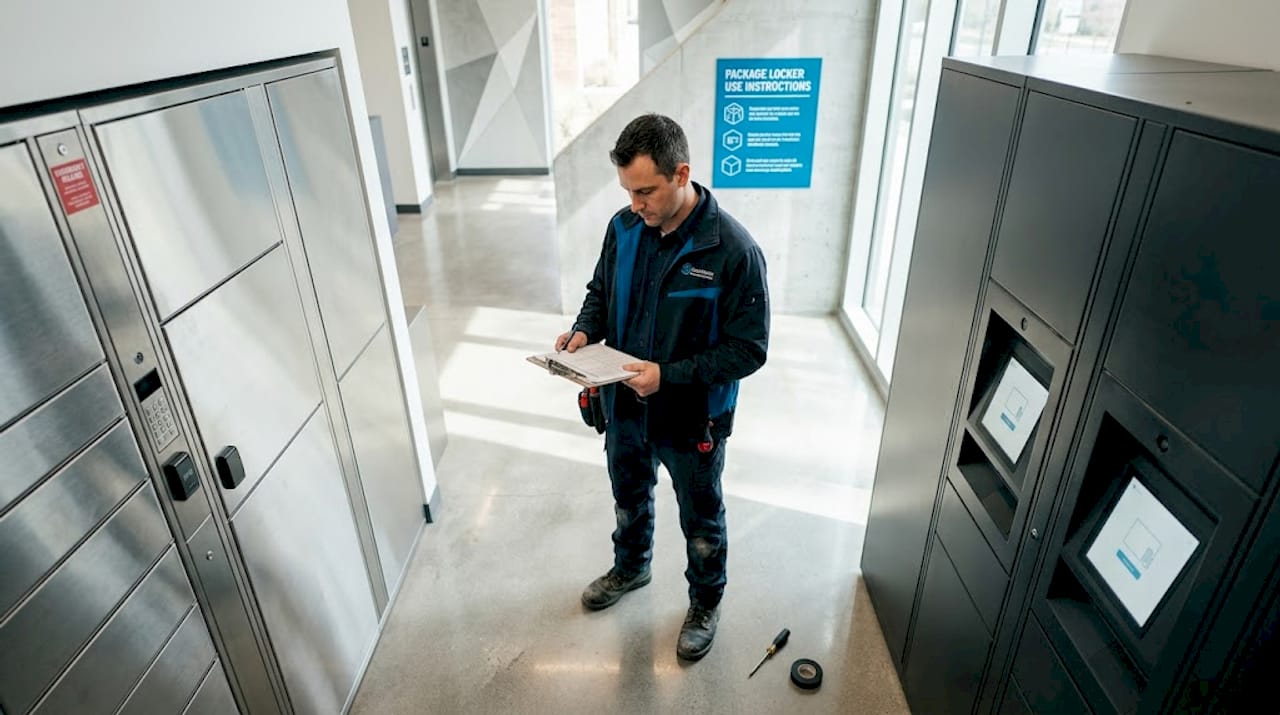
The locker solutions overview available from modern providers now covers all five categories, which means a single vendor can often serve your entire property regardless of building type or outdoor exposure.
One underappreciated factor in the table above is the notification method. Properties with older resident demographics may see lower app adoption rates, which makes SMS and email notifications more reliable than in-app alerts alone. A system that offers all three channels gives you flexibility as your resident mix evolves over time.
Making the right choice for your property
With the comparison in hand, now it is time to match system features to your specific property situation.
No two multifamily properties are identical, and the right choice depends on factors that are unique to your building, your residents, and your operational team. Here is how to think through those situational variables:
- High-volume properties (250 units or more) will likely outgrow standard locker banks within two to three years as e-commerce continues to grow. Modular systems that allow capacity expansion without full replacement are worth the premium upfront. Scalability is not a nice-to-have at this scale. It is a budget protection strategy.
- Properties with frequent carrier exceptions benefit most from customizable exception workflows. This means the system should allow you to define exactly what happens when a locker is full, when a carrier fails to authenticate, or when a package exceeds standard dimensions. Hard-coded exception rules cause friction that accumulates into real operational cost. As the research shows, exception workflows drive real operational burden in multifamily settings when left unmanaged.
- Resident demographics matter more than most operators realize. A graduate student community probably has high app adoption and comfortable with technology. A senior living community needs large touchscreens, simple codes, and phone-based support. A family-focused suburban complex may see a high rate of oversized deliveries from furniture and appliance retailers. Size your compartment mix accordingly.
- Outdoor environments demand weatherproof hardware. Properties in regions with extreme heat, heavy rain, or coastal humidity need systems rated for those conditions. An indoor-grade unit placed under an overhang will degrade faster than expected, and maintenance costs will offset efficiency gains quickly.
- Workflow training for staff is non-negotiable. Even the best system fails if leasing staff do not know how to handle exceptions, reset access codes, or pull delivery reports. Budget time for onboarding, and build a simple reference guide for your team.
Once your system is live, use the reporting tools to boost property efficiency by identifying patterns in package volume, exception rates, and resident pickup behavior over the first 90 days.
Pro Tip: Run a 30-day reporting review after installation to establish your baseline. Measure average pickup time, exception rate, compartment utilization by size, and resident satisfaction via a simple survey. These four data points tell you whether your system is performing, or whether workflow adjustments are needed.
The overlooked reality: Automation is only as strong as your workflows
After reviewing all the options, features, and comparisons, here is the harder truth that most vendor conversations skip entirely.
Automated delivery systems are sold as set-and-forget solutions. The marketing shows a seamless flow: carrier arrives, opens locker, places package, resident gets pinged, resident picks up, done. That sequence works beautifully in ideal conditions. In real multifamily environments, ideal conditions are the exception, not the rule.
Carriers arrive during shifts when access points are locked. Delivery instructions are wrong or outdated in carrier systems. Residents share codes with guests who use the wrong compartment. Packages arrive in dimensions that no standard locker can fit. None of these failures are the system’s fault in isolation, but they all become the property manager’s problem.
The research is blunt on this point: automation fails when access, exceptions, or instructions are not properly managed. We have seen properties spend significant capital on locker installations and then watch staff burden actually increase because exception volumes were never addressed in the workflow design.
The fix is not more hardware. It is investing as much energy in designing your locker room workflows as you invest in selecting the locker itself. That means clear carrier access protocols, staff training on exception handling, resident onboarding that explains the system clearly, and a monthly review of exception data to catch problems before they become habits.
Automation is a force multiplier. If your underlying delivery process is clean, automation amplifies efficiency. If your process is broken, automation amplifies the chaos. The properties that get the most value from these systems are the ones that treat workflow design as a prerequisite, not an afterthought.
Explore automated locker solutions for your multifamily property
Selecting the right automated delivery system is a decision that shapes resident satisfaction and operational costs for years to come.
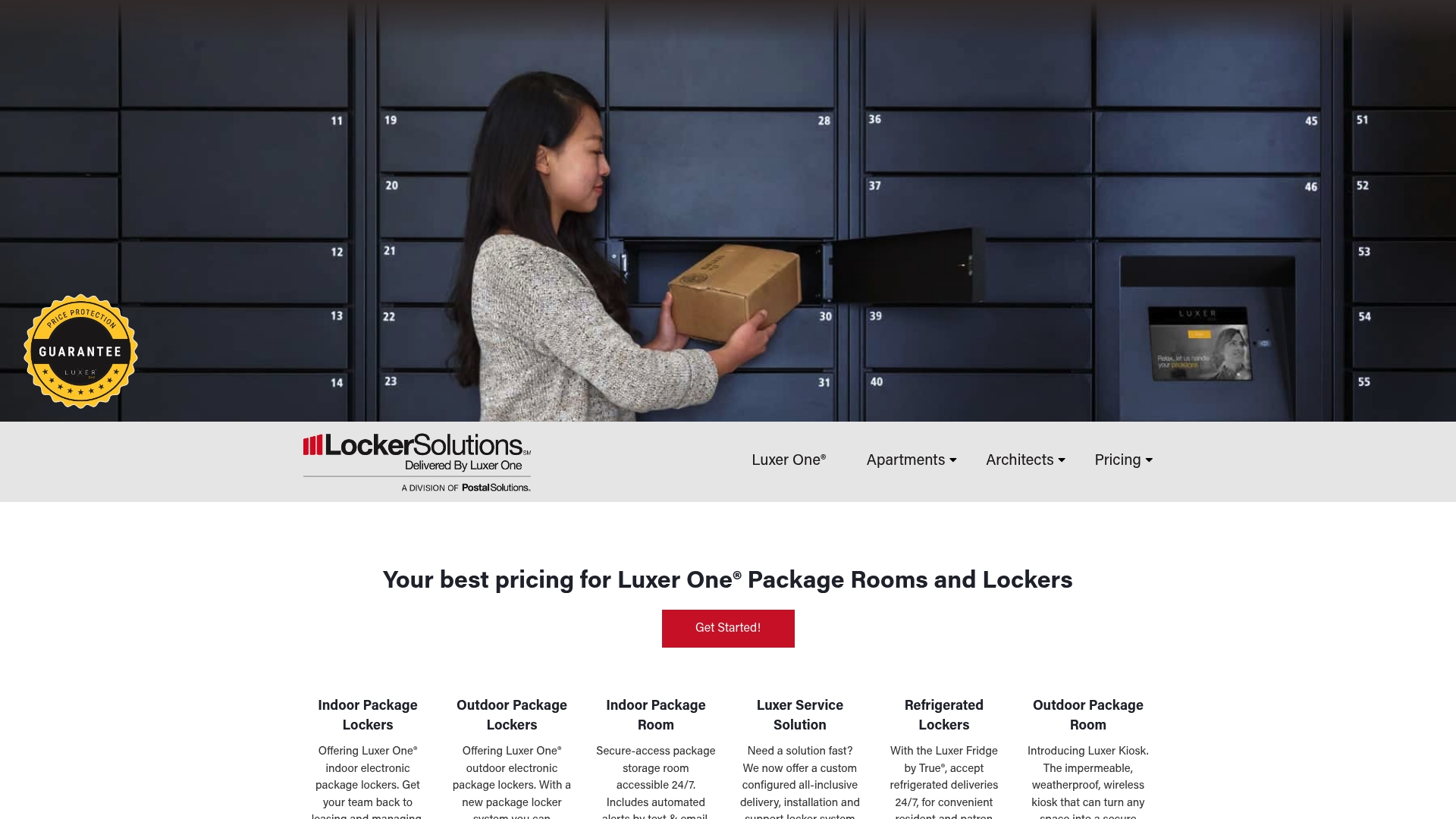
Locker Solutions specializes in Luxer One® secure lockers and package rooms built specifically for multifamily residential properties. Whether your community needs indoor electronic lockers, outdoor weatherproof units, refrigerated compartments, or a fully automated package room, the right configuration is available at scale. See package room options designed for a range of property profiles, from garden-style communities to high-rise towers. For properties ready to move beyond standard lockers, explore efficient package room solutions that integrate with your existing workflows and deliver measurable results from day one.
Frequently asked questions
How do automated delivery systems improve resident satisfaction?
Automated delivery systems offer residents 24/7 access to their packages, real-time notifications, and secure compartments that eliminate the risk of lost or stolen items, all of which rank among the top factors in resident satisfaction surveys at multifamily communities.
What is the typical payback period for automated delivery lockers?
Payback periods vary significantly by property size and package volume, and vendor claims should be validated by analyzing your own operational data, exception rates, and staff time savings rather than accepting projected figures at face value. As the research recommends, analyzing package mix and exception rates gives you the most accurate picture of true payback.
Do automated systems eliminate package theft in apartments?
They substantially reduce theft risk through locked compartments, video surveillance, and full audit trails, but they cannot eliminate it entirely unless access control and exception processes are properly managed at both the hardware and workflow level.
Can these systems integrate with my existing property management software?
Most modern automated delivery systems offer integration options with common property management platforms, but compatibility and workflow alignment should be confirmed during the vendor evaluation process, since locker system integration with your specific software stack determines how much manual coordination remains after deployment.
Recommended
Ready for a Luxer One® package locker quote?
Tell us your unit count and we'll send right-sized pricing with a fast response time.
Get my free quote