May 8, 2026
Package room security: Protecting deliveries and residents
Discover how package room security explained can protect your deliveries. Learn essential practices to safeguard residents from theft!
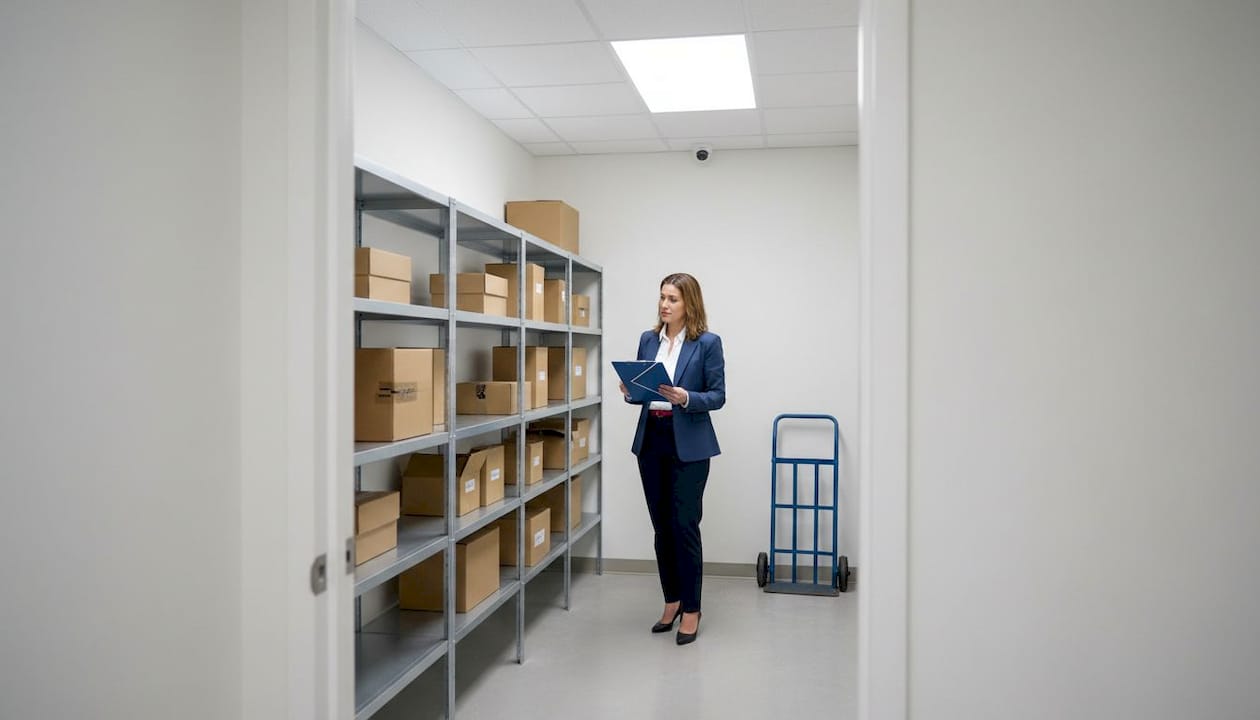
Apartment and condo residents face a real and growing problem with package theft. Residents are more than three times as likely to have packages stolen compared to people living in single-family homes, which means the shared delivery environment in multifamily buildings creates unique and serious vulnerabilities. This guide breaks down what package room security actually means, which technologies and practices make the biggest difference, and how property managers can stop preventable losses before they drive residents away.
Table of Contents
- Why package room security matters for multifamily properties
- How package room security works: Key features and technologies
- Common vulnerabilities and mistakes in package room design
- Best practices for implementing secure package rooms
- Lessons from the field: What actually protects packages (and what doesn’t)
- Secure your packages with next-generation solutions
- Frequently asked questions
Key Takeaways
| Point | Details |
|---|---|
| Apartments have higher risk | People living in apartments and condos face package theft rates three times higher than single-family homes. |
| Effective security is multi-layered | The best package rooms combine physical access controls, monitoring technology, and strong management practices. |
| Design mistakes are costly | Common vulnerabilities like unsecured access and unclear policies often lead to theft and resident frustration. |
| Continuous improvement matters | Regular audits, staff training, and ongoing upgrades are essential to keeping package rooms effective. |
Why package room security matters for multifamily properties
Package room security refers to the systems, policies, and physical infrastructure that protect delivered packages from theft, loss, or unauthorized access between the moment of delivery and resident pickup. It includes everything from the physical layout of a delivery area to the software that sends automated alerts to residents.
The scale of the problem is impossible to ignore. Apartment and condo residents are more than three times as likely to have packages stolen compared to residents in single-family homes. That gap exists because multifamily buildings create concentrated delivery points with multiple people cycling through shared spaces, limited visibility, and inconsistent access control. One unsecured mailroom or hallway drop point can become a recurring target.
The consequences extend well beyond the loss of a single shipment. When residents lose packages repeatedly, their confidence in the property drops. They begin to associate the building with inconvenience and insecurity, which directly affects lease renewal decisions. Research consistently shows that amenity quality, including secure deliveries, ranks among the top factors residents cite when deciding whether to renew or leave.
“A package room is not just a storage closet. It’s a frontline amenity that signals to residents whether management takes their daily life seriously.”
Here is what’s at stake when security falls short:
- Resident complaints and negative reviews that harm leasing performance
- Increased staff time managing theft disputes and delivery inquiries
- Liability exposure when high-value deliveries go missing
- Lower perceived community value in multi-family projects that affects long-term property positioning
When security is done right, the opposite happens. Residents feel taken care of, staff spend less time fielding complaints, and the property gains a genuine competitive edge in a crowded rental market. Investing in package room and locker solutions is not just a theft-prevention measure; it’s a direct investment in retention and reputation.
How package room security works: Key features and technologies
Modern package room security draws from multiple layers of protection rather than relying on a single tool. The total value of stolen packages exceeded $8.2 billion in a single year, which underscores why a layered approach is necessary. A single camera or a standard door lock is simply not enough. Here’s how the key components work together:
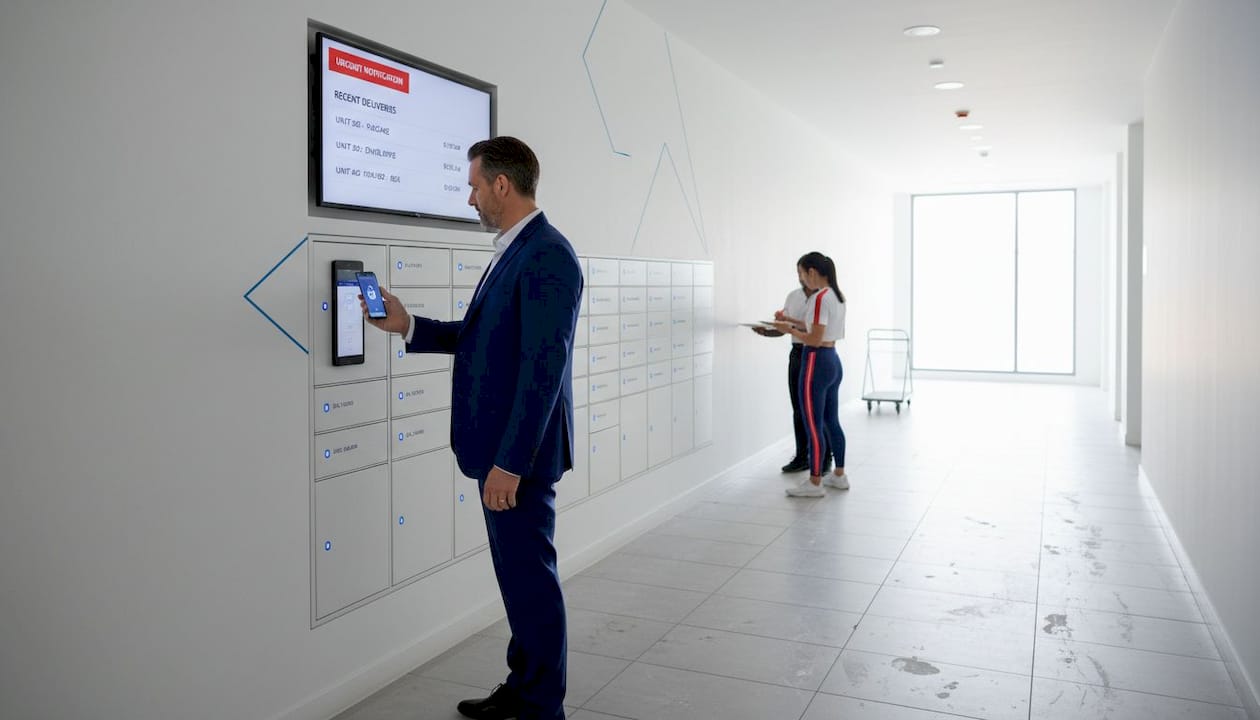
1. Physical access control The foundation of any secure package room is controlling who can enter and when. This means using reinforced doors, electronic locks, and in many cases a dedicated room design that is separate from general building traffic. Placement matters significantly. Rooms located near main lobbies with good sightlines are inherently harder to exploit than basement storage areas with minimal foot traffic.
2. Surveillance and monitoring Cameras provide both a deterrent and a record. Modern monitored package rooms integrate video surveillance with activity logs so management can review exactly who accessed the space and when. The presence of visible cameras alone reduces opportunistic theft, but the real value comes from the audit trail. When a dispute arises, timestamped video and access logs resolve it quickly and fairly.
3. Authentication methods PIN codes, RFID fobs, key cards, and mobile app credentials all serve the same purpose: they verify that the person accessing the room or locker is authorized to do so. Delivery driver integrations are especially important. Carriers like UPS, FedEx, and Amazon need controlled access to deposit packages without gaining unrestricted access to the building. Smart locker systems solve this elegantly by issuing temporary, single-use access codes to drivers.
4. Automated notifications Residents should know the moment a package arrives. Automated text and email alerts dramatically reduce the window during which packages sit unclaimed, which is exactly when theft is most likely. The faster a resident retrieves a delivery, the less exposure time it has.
Here is a comparison of the main technology in residential security applications for package rooms:
| Technology | Security level | Resident experience | Maintenance needs |
|---|---|---|---|
| Standard key lock | Low | Poor | Low |
| Keypad/PIN access | Medium | Good | Low |
| RFID card access | High | Very good | Medium |
| Smart locker system | Very high | Excellent | Medium |
| Video surveillance | High (as deterrent) | Neutral | Medium |
| Automated notifications | Medium (reduces exposure) | Excellent | Low |
Pro Tip: Combining PIN access with video surveillance and automated alerts creates a three-layer protection system that covers physical access, monitoring, and fast retrieval without significantly increasing operational complexity.
Common vulnerabilities and mistakes in package room design
While modern systems offer robust tools, many properties stumble with common design or management mistakes that undercut even good technology investments. Understanding these pitfalls helps you avoid the most expensive errors before they happen.
One in four Americans have had a package stolen at some point, and a significant portion of those incidents occur in multifamily settings where prevention should have been possible. The root causes are usually predictable.
Design flaws that create risk:
- Open rooms with no access control that allow anyone to walk in
- Poorly lit spaces that reduce camera effectiveness
- Doors with standard residential locks that can be easily defeated
- Rooms located in low-traffic areas without natural surveillance from building occupants
- No separation between the delivery drop zone and the resident pickup area
Operational mistakes that compound the problem:
- No written policy for how and when residents can access the room
- Staff who bypass security procedures during busy periods
- Infrequent audits that allow unauthorized access patterns to go undetected
- No process for handling oversized deliveries that do not fit in lockers
- Missing documentation when a package dispute arises
Here is a side-by-side comparison of how secure versus vulnerable package rooms differ in practice:
| Feature | Secure package room | Vulnerable package room |
|---|---|---|
| Entry control | Electronic lock with audit log | Standard key or no lock |
| Surveillance | Cameras with recording | No cameras |
| Resident notification | Automated alerts at delivery | Manual or no notification |
| Driver access | Controlled credential system | Unsupervised drop-off |
| Oversized item handling | Designated, locked area | Left in hallway |
| Policy documentation | Written and communicated | Informal or absent |
| Review process | Regular audits | Reactive only |
One area that is frequently overlooked is perishable and temperature-sensitive deliveries. As grocery and meal kit delivery grows, packages left at room temperature create both a security and a spoilage problem. Refrigerated locker options solve this specific vulnerability by keeping perishables secure and fresh until pickup, which is a detail that pays off immediately in resident satisfaction.
Pro Tip: Conduct a walk-through audit of your package room every 90 days. Bring in someone who was not involved in the original design so they can spot blind spots that familiarity makes invisible to regular staff.
Operational gaps are often more dangerous than technology gaps. A property with multifamily development best practices built into its design from the start still needs a living, enforced process to make security real.
Best practices for implementing secure package rooms
To avoid these pitfalls, follow the practices that leading multifamily properties use to balance strong security with genuine usability. Security that frustrates residents or blocks delivery carriers creates its own set of problems, so the goal is always a system that works smoothly for everyone involved.
Step 1: Choose the right location Site selection is the first and most consequential decision. The package room should be accessible from the building entrance without requiring residents to travel through unsecured areas. Visibility from common spaces adds natural deterrence. Proximity to a loading dock or mail area simplifies the carrier delivery process.
Step 2: Layer your technology Do not rely on a single access method. Combine electronic locks with video surveillance, automated notifications, and an audit log. Each layer compensates for weaknesses in the others. If a camera goes offline, the access log still records who entered. If a PIN is compromised, video can identify the unauthorized user.
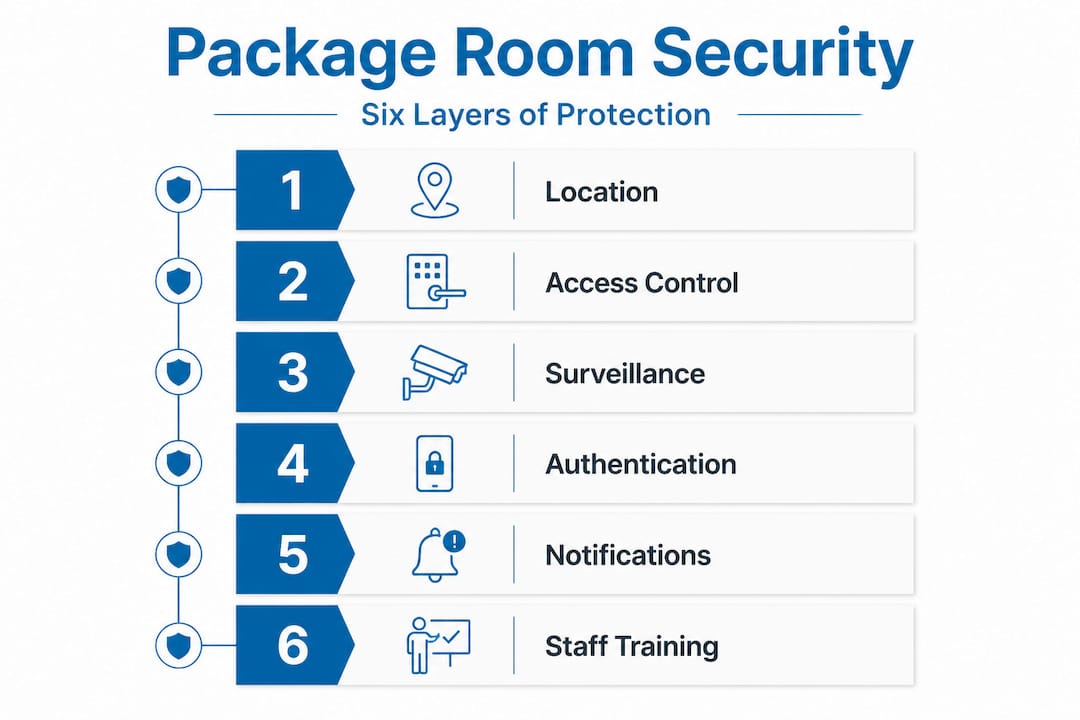
Step 3: Set up an indoor package room installation with carrier-specific access Delivery carriers need a path to deposit packages without gaining unrestricted building access. Build this into your system from day one with dedicated carrier credentials or a delivery-only access window that closes automatically.
Step 4: Write clear policies and communicate them Package security directly impacts resident retention and satisfaction, which means residents need to understand how the system works. Send a move-in orientation document that explains how they will be notified, how to retrieve packages, and what to do if something goes wrong. Post a condensed version inside the package room itself.
Step 5: Train staff and schedule reviews Staff training is not a one-time event. Every new hire should understand the access procedures, the escalation process for disputes, and how to handle the physical exceptions like oversized or damaged packages. Schedule formal reviews quarterly and after any security incident.
Step 6: Update the system as volume grows Package volume in most residential buildings continues to rise year over year. A system sized for today’s volume may become a bottleneck within 18 months. Build flexibility into your setup so you can add locker units or expand room capacity without a complete overhaul.
Pro Tip: Integrating smart notification systems that send residents a time-stamped alert the moment a package is logged dramatically speeds up retrieval. When residents pick up packages within hours instead of days, the room stays clear and theft risk drops significantly.
Lessons from the field: What actually protects packages (and what doesn’t)
Here is the uncomfortable reality that most technology vendors would rather not say out loud: the best hardware in the world does not protect packages if the human side of operations is broken. We have seen properties invest in top-tier surveillance systems and electronic lockers and still experience regular theft because staff were skipping verification steps during peak delivery hours, or because residents were propping the package room door open for convenience.
Technology creates the conditions for security. People enforce it. These are not the same thing.
The most theft-resistant properties we work with share a common trait: they treat package security as an ongoing operational commitment, not a one-time infrastructure purchase. They hold regular staff briefings. They review access logs weekly, not just after an incident. They communicate with residents about procedures and actually update those communications when something changes.
A contrarian view worth sitting with: cameras and electronic logs feel reassuring because they are visible and measurable. But many theft incidents happen because someone who was technically authorized to be in the room took packages they should not have touched. An audit log shows that “Resident 4B” entered at 2:14 PM. It does not tell you that the person who entered was not Resident 4B. Human oversight closes that gap in a way that technology alone cannot.
The properties that see the biggest improvement in package security are the ones that combine smart technology with resident engagement. A brief monthly email reminding residents to retrieve packages promptly, explaining that the room is monitored, and encouraging them to report anything suspicious turns residents into active participants in building security rather than passive observers.
Billions are lost to theft even in buildings with modern solutions in place, precisely because systems run without the human accountability layer. Do not make that mistake. The outdoor kiosk options and monitored room systems available today are genuinely powerful. Use them fully, and pair them with the culture of accountability that makes them work.
Secure your packages with next-generation solutions
If your property is ready to move beyond unsecured mailrooms and hallway drop-offs, the right solution is closer than you might think.
Locker Solutions specializes in scalable, monitored package management built specifically for multifamily properties. From Luxer One monitored package rooms with full video surveillance and automated resident alerts to contactless package delivery options that keep carriers and residents completely separated, the full product lineup covers every property size and configuration. Refrigerated lockers, outdoor kiosks, and indoor locker banks are all available with rapid deployment and ongoing maintenance support. Contact the Locker Solutions team today to schedule a consultation and find out which configuration fits your building’s specific needs and volume.
Frequently asked questions
How common is package theft in apartment buildings?
Apartment and condo residents are more than three times as likely to experience package theft compared to people living in single-family homes, making multifamily buildings a disproportionate target.
What are the most effective package room security features?
Access control, surveillance, and electronic logs work best as a combined system, especially when paired with clear staff policies and regular audits rather than operated as standalone tools.
Is package theft covered by property insurance?
Coverage varies widely by policy and insurer, so property managers should review the specific terms with their insurance provider rather than assuming packages are automatically protected under a standard commercial policy.
How can residents retrieve their packages securely?
PIN codes, RFID credentials, or mobile app authorization through a smart locker system give residents secure, verified access while keeping the room protected from unauthorized entry between pickups.
Recommended
Ready for a Luxer One® package locker quote?
Tell us your unit count and we'll send right-sized pricing with a fast response time.
Get my free quote