September 23, 2026
How automated package alerts boost property efficiency
Discover why automated package alerts are essential for boosting property efficiency, reducing resident inquiries and enhancing satisfaction.
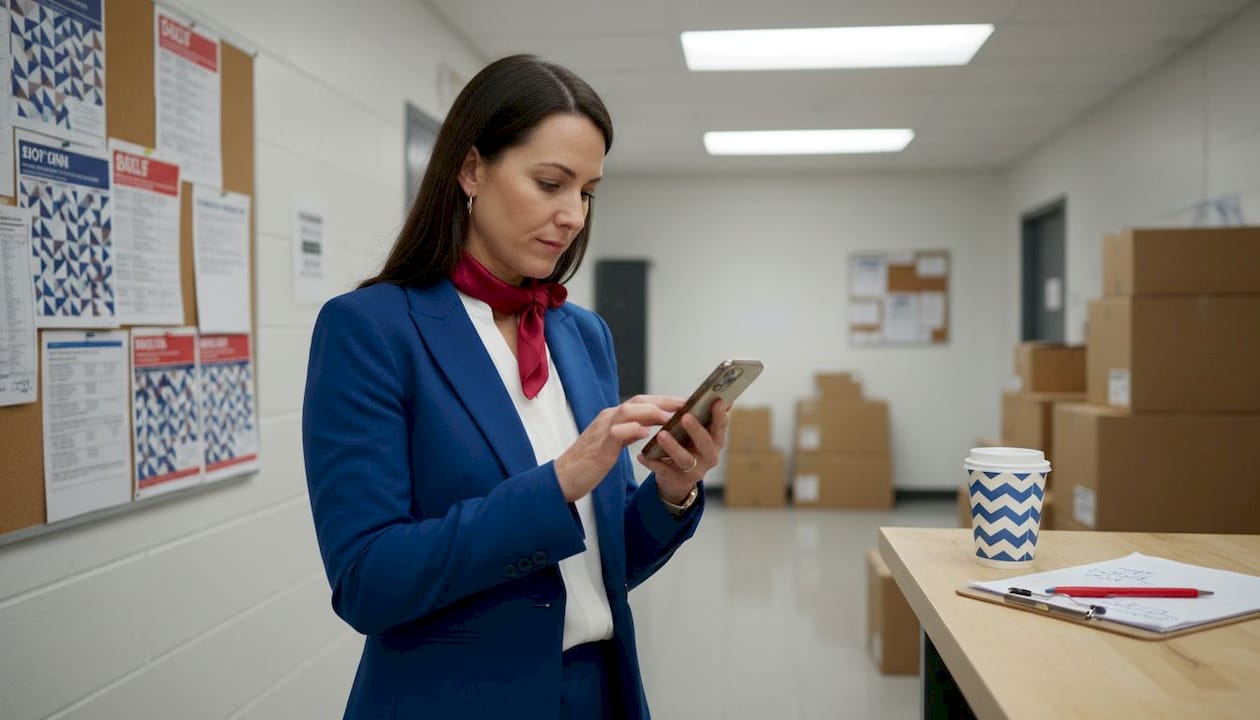
Package management has quietly become one of the biggest operational headaches in multifamily housing. Residents expect instant updates, deliveries arrive in waves, and front office staff spend hours fielding “where’s my package?” calls. The good news: automation is already proving its worth at scale. USPS reported a 44% decline in package-related customer service inquiries during the 2025 holiday season after implementing automation, a result that should catch every property manager’s attention.
Table of Contents
- What are automated package alerts and how do they work?
- Tangible benefits for property managers and residents
- Solving edge cases and common challenges
- Best practices for implementing automated alert systems
- Why automated alerts matter more than ever, and what most property managers still miss
- Upgrade your property with proven locker solutions
- Frequently asked questions
Key Takeaways
| Point | Details |
|---|---|
| Automation slashes inquiries | Automated alerts cut package-related resident questions nearly in half. |
| Simplifies staff routines | Less manual notification means staff can focus on more important property tasks. |
| Handles real-world edge cases | Well-designed systems anticipate and mitigate missed alerts or identity issues. |
| Boosts resident satisfaction | Faster, automated notifications increase convenience and retention. |
| Easy integration | Most platforms connect seamlessly to your existing property management tools. |
What are automated package alerts and how do they work?
Automated package alerts are notification systems that trigger the moment a package enters your building’s intake process, without any staff member having to manually log, sort, or call anyone. The system handles the communication chain from scan to pickup, freeing your team to focus on higher-value work.
At their core, these systems rely on four sequential components. An effective alert workflow requires a scan event, an event rule trigger, resident integration, and a pickup workflow. Each step builds on the last, and skipping any one of them creates gaps that push the burden back onto staff.
Here’s how a typical workflow plays out in a real multifamily setting:
- Scan event: A carrier or staff member scans the package barcode at the point of entry, whether that’s a front desk, a package room, or a locker kiosk.
- Event rule trigger: The system matches the scan data to a rule set, such as “notify resident within 60 seconds of scan.”
- Resident integration: The platform cross-references your resident database to find the correct contact, pulling their preferred notification channel (text, email, or app push notification).
- Pickup workflow: Once the resident retrieves the package, the system logs the pickup, closes the alert loop, and updates the record automatically.
This chain happens in seconds. Residents get notified before a carrier has even left the building. That speed matters because packages left unclaimed for days create secondary problems: cluttered storage areas, theft risk, and repeat inquiries from frustrated residents.
Indoor package alert systems add another layer by pairing electronic lockers with the scan-and-notify workflow, so residents receive a unique access code alongside their alert. No staff interaction required. Monitored package rooms extend this further with video surveillance and access logging, giving property managers a full audit trail for every delivery.
Pro Tip: When evaluating alert platforms, ask vendors specifically how they handle notification delivery confirmation. A system that sends an alert but can’t verify it was received is only half-built.
Tangible benefits for property managers and residents
Understanding the process is important, but what happens when you actually implement these systems? The operational shift is significant, and the data backs it up.
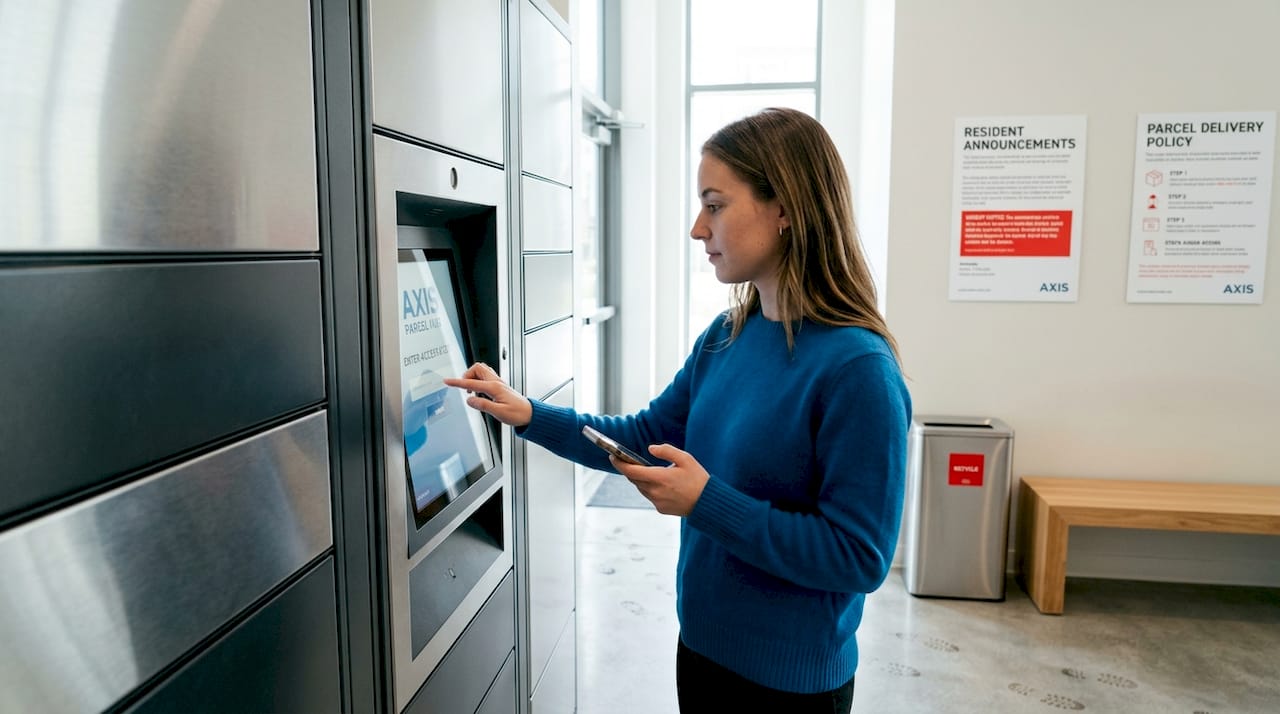
USPS saw a 44% drop in package-related customer service inquiries and a 6.4-point increase in customer satisfaction scores after rolling out automated tracking and notification tools. While USPS operates at a different scale than a single apartment community, the underlying dynamic is identical: when residents know where their package is and when to pick it up, they stop calling.
For property managers, the time savings are immediate and measurable. Consider what a typical leasing office deals with during peak delivery periods:
- Staff manually logging packages into a spreadsheet or notebook
- Calling or emailing residents one by one to notify them
- Fielding follow-up calls from residents who missed the first notification
- Resolving disputes when packages are misplaced or picked up by the wrong person
- Restacking and reorganizing overflowing package storage areas
Automation eliminates most of those steps entirely. Staff time shifts from reactive firefighting to proactive community management.
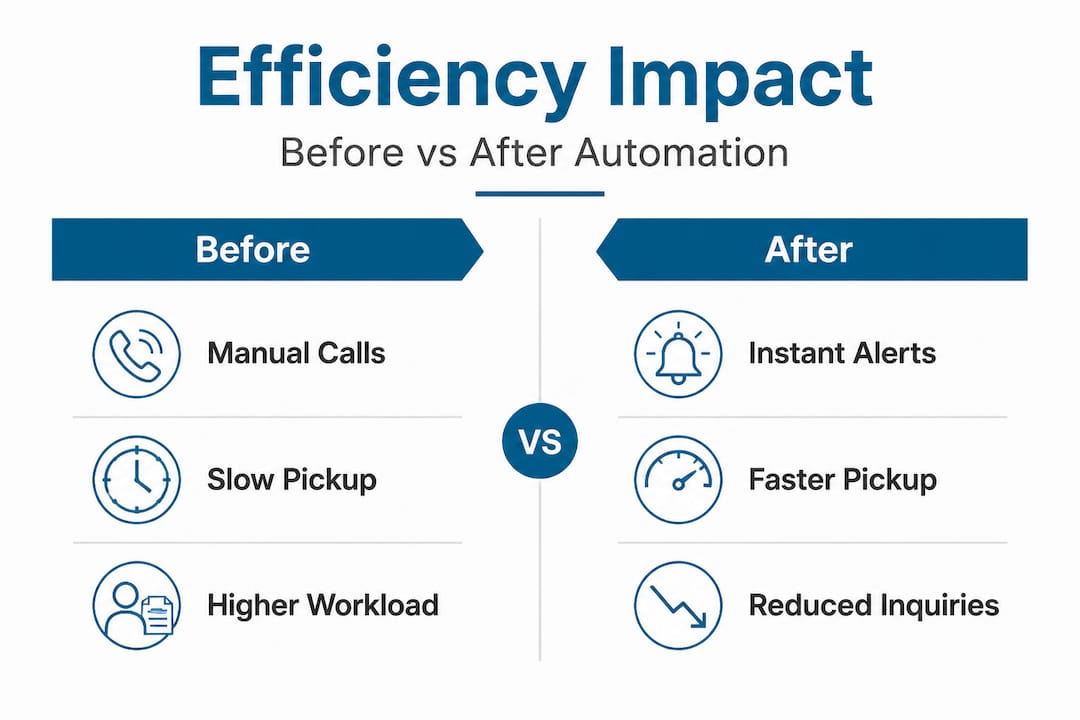
| Metric | Before automation | After automation |
|---|---|---|
| Average daily package inquiries | 15 to 25 calls | 2 to 4 calls |
| Staff time on package tasks (daily) | 2 to 3 hours | 20 to 30 minutes |
| Average pickup time after delivery | 2 to 3 days | Same day or next day |
| Resident satisfaction score | Moderate | High |
| Package disputes per month | 8 to 12 incidents | 1 to 2 incidents |
The resident experience improvement is equally compelling. When a resident receives an instant text with their locker access code, the entire interaction feels frictionless. That kind of convenience influences lease renewal decisions more than most property managers realize. Residents rarely renew because of granite countertops alone. They renew because living there is easy.
Package room solutions that integrate automated alerts also reduce the social friction that comes with shared spaces. When every resident knows exactly when and where to pick up their package, there’s less crowding, less confusion, and fewer confrontations at the front desk.
Pro Tip: Track your staff’s daily time on package-related tasks for two weeks before implementing automation. That baseline number becomes your strongest internal argument for budget approval, and your clearest measure of ROI after launch.
- Faster pickup cycles mean less storage congestion
- Automated logs reduce liability in dispute resolution
- Consistent notifications build resident trust over time
- Reduced manual errors lower the chance of misdelivery
Solving edge cases and common challenges
Even with automation, real-world scenarios include outliers and failures. Let’s tackle those next.
No system is immune to edge cases, and package alert platforms are no exception. Common failure points include notification and address mismatches, wrong mobile numbers on file, and access identity issues that prevent alerts from reaching the right resident. These aren’t rare occurrences. They happen regularly in any community with high resident turnover or inconsistent onboarding processes.
The most frequent edge cases property managers encounter include:
- Outdated contact information: A resident changes their phone number but doesn’t update their profile, so alerts go to a dead number.
- Name mismatches: A package is addressed to a partner or family member not listed in the resident database, causing the system to fail the lookup.
- Notification delivery failure: The alert is sent but lands in a spam folder or is blocked by a carrier restriction.
- Locker access issues: A resident receives a code but the locker malfunctions or the code expires before pickup.
- Shared unit confusion: Roommates receive each other’s alerts when contact information overlaps.
“Design should consider edge cases from the start, not as an afterthought. Systems must handle missed notifications or account lockouts with alternate recovery paths to maintain trust and usability.” NNG Group on edge case design
Robust platforms address these scenarios by building in fallback channels. If a text fails, the system automatically attempts email. If email bounces, it flags the package for staff review with a clear dashboard alert. That layered approach is what separates a mature platform from a basic notification tool.
Contactless delivery solutions that incorporate redundant access methods, such as PIN codes, QR codes, and app-based entry, give residents multiple ways to retrieve packages even when one channel fails.
| Problem | Manual response | Automated response |
|---|---|---|
| Wrong phone number on file | Staff calls unit, delays pickup | System flags for staff, sends email fallback |
| Locker malfunction | Resident waits, staff investigates | System reroutes to alternate locker or staff alert |
| Package addressed to non-resident | Manual sorting required | Rule-based flagging for staff review |
| Resident misses notification | Repeat calls from staff | Automated follow-up after 24 hours |
Applying remodeling notification best practices to package management rollouts is a useful parallel. Just as construction teams plan for unexpected site conditions before breaking ground, property managers should map out their most common failure scenarios before going live with a new alert system.
Best practices for implementing automated alert systems
Having seen the pitfalls, here’s how to maximize results when setting up your own alert platform.
A successful rollout depends on preparation, not just technology. Usability research consistently shows that planning for edge cases and ensuring robust recovery paths are the difference between systems residents trust and systems they abandon after one bad experience.
Follow this sequence when launching an automated alert system at your property:
- Audit your resident database first. Before activating any alert system, verify that every unit has a current phone number and email address on file. A 30-minute data cleanup prevents weeks of notification failures.
- Choose your notification channels intentionally. Most residents prefer SMS, but a meaningful segment prefers email or app notifications. Offer all three from day one rather than adding them later.
- Configure your event rules carefully. Decide how quickly alerts should fire after a scan, when follow-up reminders should trigger, and at what point a package gets flagged as unclaimed.
- Run a soft launch with one building or floor. Test the full workflow with a small group before deploying community-wide. This surfaces configuration issues without disrupting everyone.
- Train staff on the dashboard, not just the concept. Staff need to know how to read alert logs, resolve flagged packages, and manually override the system when needed.
- Communicate the change to residents before it goes live. Send an email, post a notice in common areas, and include a one-page FAQ in the next resident newsletter.
Building design planning tips are especially relevant for properties adding outdoor kiosks or weatherproof locker stations as part of their alert system rollout. Physical placement affects scan reliability and resident access patterns, so involve your facilities team early.
Campus package locker case studies offer a useful model for high-volume, high-turnover environments. Universities face the same challenges as large apartment communities: hundreds of daily deliveries, constantly changing resident rosters, and the need for 24/7 access. The solutions that work there translate directly to multifamily settings.
Referencing a solid residential construction workflow can also help when you’re retrofitting locker infrastructure into an existing building. Planning the physical installation alongside the software configuration prevents costly rework.
Pro Tip: Overcommunicate during the first 30 days after launch. Send weekly reminders about how the new system works, where to pick up packages, and who to contact with questions. Residents who understand the system use it correctly, which reduces edge cases dramatically.
Why automated alerts matter more than ever, and what most property managers still miss
With the details handled, it’s worth stepping back to reflect on what’s really at stake.
Most conversations about automated package alerts focus on the technology: scan events, notification channels, locker access codes. That’s understandable. The technology is new, and it solves a visible problem. But the deeper impact is psychological, and that’s where most property managers leave value on the table.
Think about what package chaos actually does to a leasing office. Staff spend significant portions of their day on a task that generates zero revenue and creates constant friction with residents. That friction is demoralizing. It makes good employees feel like they’re failing even when they’re working hard. Automation doesn’t just save time. It removes a persistent source of workplace stress that affects staff retention and morale in ways that never show up in package management ROI calculations.
On the resident side, the psychological impact is equally underappreciated. Waiting for a package without any update creates low-grade anxiety. It’s a small thing, but small things accumulate. Residents who feel like their property is disorganized or unresponsive become residents who don’t renew. The alert itself, that instant text or push notification, is a trust signal. It says: we know your package arrived, we’ve secured it, and here’s exactly what to do next.
The missed opportunity we see most often is properties that adopt alert systems but skip the user education piece entirely. They install the technology, flip the switch, and assume residents will figure it out. Some will. Many won’t. And the ones who don’t will still call the front desk, defeating the purpose of the investment.
The next frontier is integration with broader smart building ecosystems. Properties that connect their package alert systems to resident apps, smart access controls, and even emerging package storage solutions like refrigerated lockers for grocery and meal kit deliveries are building a resident experience that’s genuinely differentiated. That’s not a technology story. It’s a community experience story, and it’s where the real competitive advantage lives.
Upgrade your property with proven locker solutions
Ready to turn these insights into daily operational wins for your team? The gap between knowing automation works and actually having it running at your property comes down to choosing the right infrastructure partner.
Locker Solutions specializes in Luxer One package locker solutions built specifically for multifamily residential properties. From indoor electronic lockers to outdoor weatherproof kiosks, every product is designed to integrate seamlessly with automated alert workflows. Whether you’re managing a 50-unit community or a 500-unit complex, the platform scales to your volume and your residents’ expectations. Explore monitored package room solutions to see how video surveillance, secure access, and automated notifications work together as a complete system. Your next step toward a quieter front desk and happier residents starts here.
Frequently asked questions
How do automated package alerts reduce staff workload?
They eliminate manual notification tasks and significantly reduce resident inquiries, with 44% fewer package inquiries reported after automation, freeing staff for higher-value responsibilities.
What core features make an automated package alert system effective?
Reliable intake scanning, event-triggered notifications, resident integration, and secure pickup workflows are essential, as effective systems require all four components working in sequence.
How are edge cases like wrong numbers or missed notifications handled?
Robust platforms include fallback notification channels and recovery workflows, because systems must handle missed notifications with alternate paths to maintain reliability and resident trust.
Is automated alert integration difficult for existing properties?
Most modern systems integrate with existing property management software using secure APIs and resident databases, making adoption straightforward without requiring a full infrastructure overhaul.
What operational impact can properties expect from automation?
Reduced service inquiries, faster pickup cycles, and improved resident satisfaction are consistently reported, with customer satisfaction rising 6.4 points in documented automation rollouts.
Recommended
Ready for a Luxer One® package locker quote?
Tell us your unit count and we'll send right-sized pricing with a fast response time.
Get my free quote