May 6, 2026
Efficient package room solutions for multifamily properties
Discover what a package room is and how to optimize it for your multifamily property. Enhance delivery efficiency and resident satisfaction today!
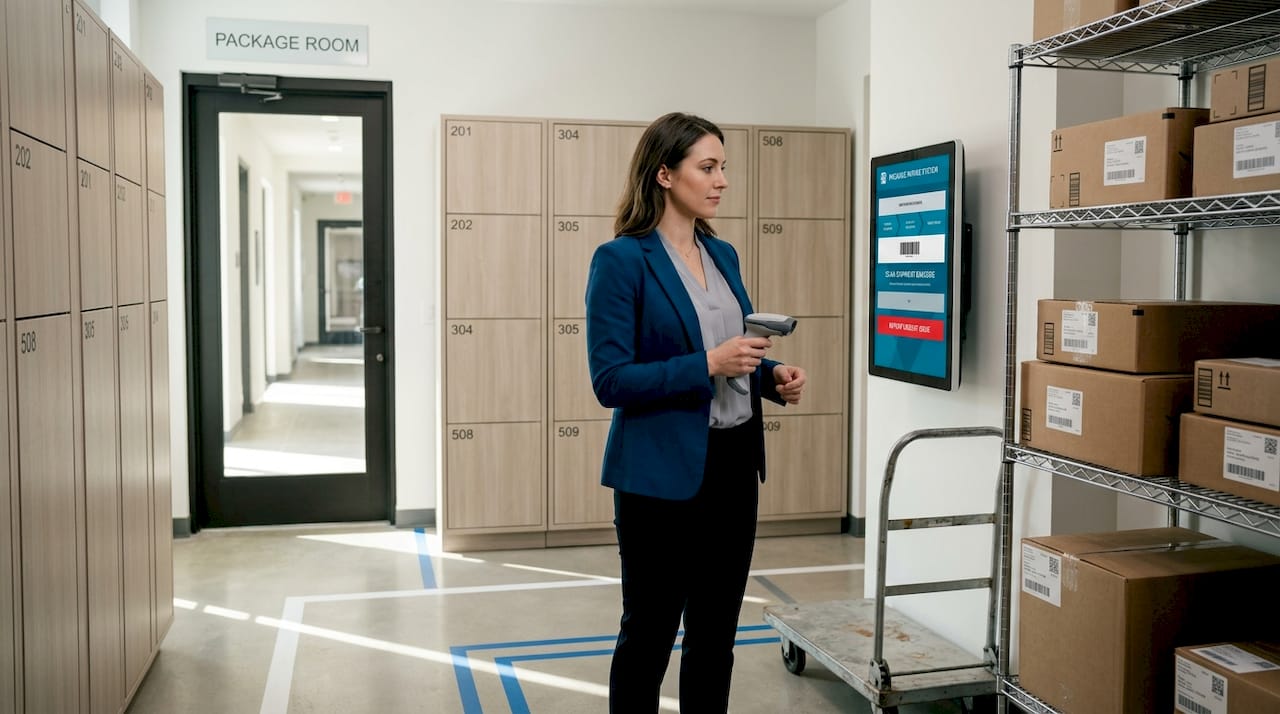
Package delivery volumes at multifamily properties have grown so fast that most buildings are simply not equipped to handle them. If you think adding a few extra shelves to your mailroom solves the problem, you’re already behind. Residents now order everything from groceries to furniture online, and they expect their building to manage deliveries securely, efficiently, and without involving your leasing staff every time a box arrives. This article walks you through what a package room actually is, how it works, what it takes to design one properly, and which technologies give you the biggest operational return.
Table of Contents
- What is a package room and why does it matter?
- How package rooms work: Key workflow and logistics
- Design considerations for secure and efficient package rooms
- Selecting the right technology and features for your property
- Perspective: Why a package room is the new leasing office difference-maker
- Your next step: Smarter package room solutions
- Frequently asked questions
Key Takeaways
| Point | Details |
|---|---|
| Purpose-built solution | A package room is designed specifically to accommodate secure, large-volume package delivery — not just standard mail. |
| Workflow is key | Efficient logging, notification, and pickup steps make or break resident satisfaction and staff workload. |
| Security matters | Physical design and technology safeguards help prevent theft and protect resident property. |
| Right-fit technology | Modern solutions range from digital access logs to fully automated smart lockers — match features to property size. |
| Proactive planning | Surge and overflow planning ensures your package room won’t buckle during peak seasons or growth spikes. |
What is a package room and why does it matter?
A package room is a dedicated, access-controlled space where carriers drop off resident packages and residents pick them up on their own schedule, without staff involvement. It’s not a corner of the mailroom with a few shelves. It’s a purpose-built system with defined intake zones, secure storage, digital logging, and automated resident notifications.
The distinction matters because traditional mailrooms and management offices were never designed for today’s delivery volumes. A leasing agent spending 20 minutes per day sorting and logging packages loses more than 80 hours of productive time per year. Multiply that across a team, and you’re looking at a serious drag on operations. Understanding the full range of package logistics terms helps your team speak the same language as carriers and vendors, which reduces errors and miscommunication from day one.
The numbers tell a clear story. Online retail sales in the United States continue to climb year over year, and multifamily housing design is evolving to accommodate the reality that residents receive multiple deliveries per week, not per month. A property that can’t manage that volume reliably will see it reflected in reviews, renewals, and leasing conversion rates.
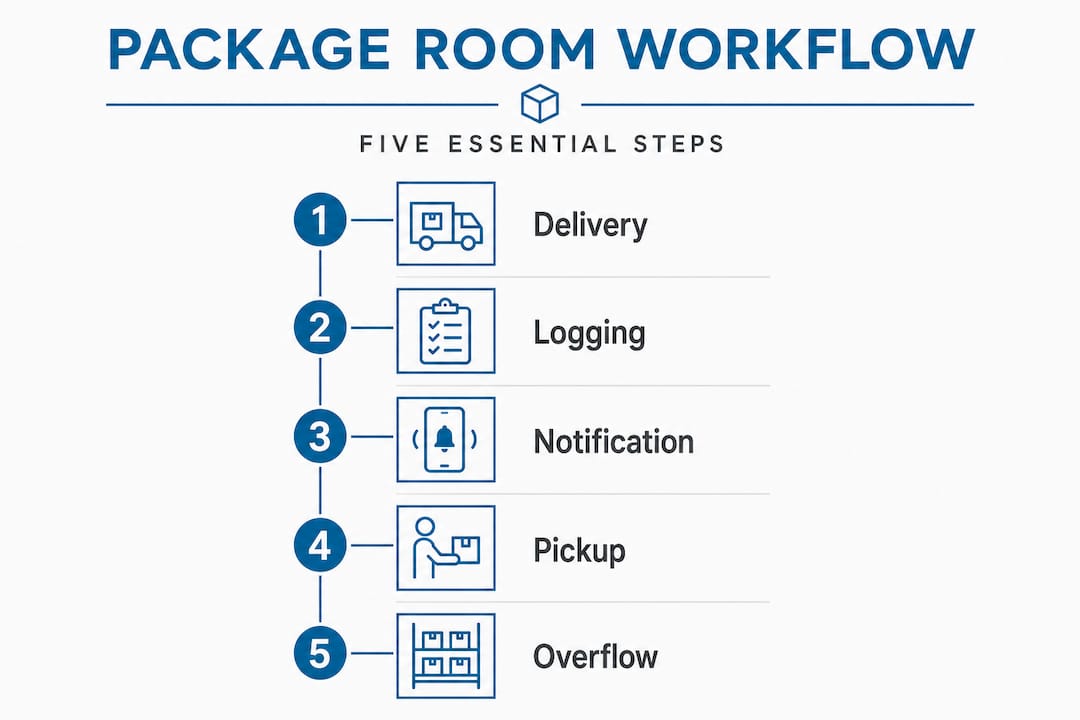
Here’s what a well-designed package room workflow looks like from start to finish:
- Carrier intake: Delivery personnel access the package room using a carrier-specific code or intercom system, without needing staff assistance.
- Logging: Each package is scanned or photographed and recorded in a digital system.
- Resident notification: An automated alert goes out via text or email with pickup instructions.
- Pickup: The resident accesses the room using a unique PIN or mobile credential.
- Overflow management: When the room reaches capacity, a secondary overflow zone or locker bank absorbs the surplus.
- Returns: Outgoing packages can be staged in a designated return area for carrier pickup.
Following this multifamily package management workflow pattern is the operational backbone of any system that doesn’t collapse under pressure during peak delivery windows like the holiday season or back-to-school periods.
| Property type | Average daily packages | Recommended solution |
|---|---|---|
| Under 50 units | 5 to 15 | Manual or semi-automated room |
| 50 to 150 units | 15 to 50 | Semi-automated with smart lockers |
| 150 to 300 units | 50 to 120 | Fully automated package room |
| 300+ units | 120+ | Automated room plus overflow lockers |
Resident satisfaction is directly tied to how reliably their packages are handled. A single stolen or lost package generates a negative review. A pattern of mismanaged deliveries accelerates lease non-renewals. The package room is no longer a back-of-house afterthought. It’s a front-line resident experience touchpoint.
How package rooms work: Key workflow and logistics
Once you understand the importance, the next step is to grasp exactly how package rooms operate day-to-day. The workflow is straightforward in concept but surprisingly easy to break in practice if you haven’t planned for every step.
The modern intake-to-pickup cycle runs through five stages: delivery, logging, notification, pickup, and overflow handling. Each stage has its own failure points. At intake, the failure is usually unauthorized access or packages left in hallways because the room is full. At logging, the failure is incomplete records that make it impossible to resolve disputes. At notification, the failure is delayed or missed alerts that leave residents unaware their package arrived. At pickup, the failure is residents who can’t access the room after hours. At overflow, the failure is no plan at all.
Here’s a side-by-side comparison of the three main package room models:
| Feature | Manual room | Semi-automated | Fully automated |
|---|---|---|---|
| Staff involvement | High | Moderate | Minimal |
| Resident notification | Manual or delayed | Automated alerts | Instant automated alerts |
| Access control | Key or code | PIN or fob | PIN, mobile app, or biometric |
| Logging | Paper or spreadsheet | Digital with photos | Real-time digital with video |
| Overflow handling | Ad hoc | Designated overflow zone | Integrated locker overflow |
| Cost | Low upfront | Moderate | Higher upfront, lower long-term |
Pro Tip: Before your first holiday season, map out exactly where packages will go when your primary room hits 80% capacity. Designate a secondary overflow zone and communicate the plan to your carrier contacts in advance. Properties that do this avoid the chaos that derails others every November and December.
The monitored package rooms model takes this a step further by adding video surveillance and remote monitoring, so you have a visual record of every delivery and pickup event. This is particularly valuable for resolving disputes quickly and deterring theft.
“Design the workflow from carrier delivery intake through logging, resident notification, pickup, and overflow handling, then back it with clear signage and surge planning so the system doesn’t collapse during peak delivery windows.” This principle from multifamily package management best practices is the single most important operational framework you can apply.
Clear signage is underrated. Carriers who enter a confusing room will leave packages in the wrong zone or skip the property entirely. Residents who can’t find their package will call the leasing office, which defeats the purpose of having a self-service system. Every zone in the room should be labeled, and the pickup process should be explainable in three steps or fewer.
Design considerations for secure and efficient package rooms
Having reviewed workflows, let’s focus on the concrete elements of creating and securing a package room that truly works. Design decisions made early in a project are expensive to undo later, so getting them right from the start matters.
Location is the first variable. The package room should be accessible to carriers without requiring them to enter the main lobby or interact with staff. Ground-floor placement near a service entrance is ideal. If your property has multiple buildings, consider whether a centralized room or distributed locker banks make more sense for resident convenience.
Access control is non-negotiable. A room with a standard lock and a key shared among carriers is not a secure package room. It’s a liability. Modern access control options include:
- Carrier-specific PIN codes that expire or rotate regularly
- Intercom systems with video so staff can verify identity remotely
- Fob-based access for residents with logging tied to individual credentials
- Mobile app access for properties using integrated property management platforms
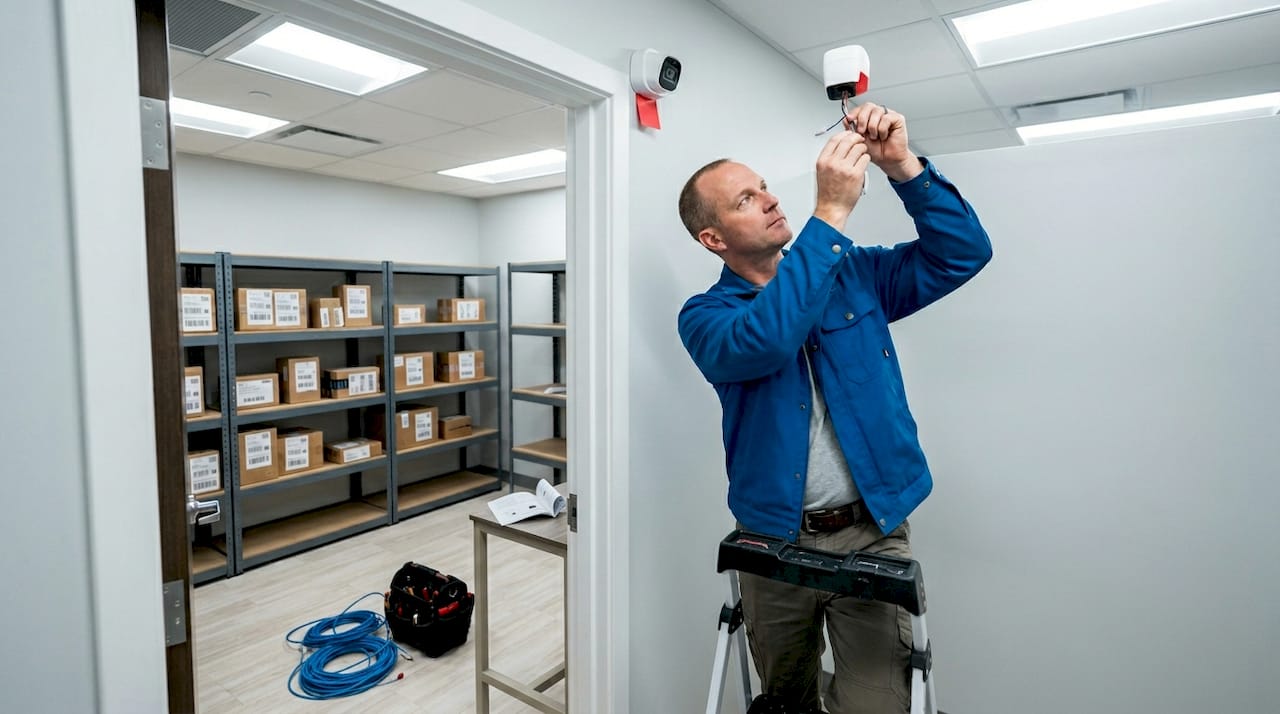
Surveillance should cover every entry point and the interior storage area. Cameras serve two purposes: deterrence and documentation. When a resident claims a package is missing, footage resolves the dispute in minutes rather than days.
Material and fixture selection affects long-term durability and maintenance costs. The Luxer One Package Rooms and Lockers product line is built with commercial-grade materials specifically chosen to withstand the daily wear of high-volume delivery environments. Cheap shelving warps, cheap flooring cracks, and cheap hardware fails at the worst possible time.
Signage and workflow clarity inside the room should guide carriers and residents without any verbal instruction. Use floor markings to define intake zones, wall labels to identify storage sections by unit number range, and clear posted instructions for the pickup process.
Pro Tip: When designing or retrofitting a package room, consult with your architect about building code compliance for access control systems and fire egress. Community-building design professionals who specialize in multifamily housing can help you avoid costly code violations that require rework after installation.
Secure package delivery for multifamily properties isn’t just about physical security. It’s about building a system residents trust enough to stop worrying about their deliveries. That trust is a leasing advantage.
Selecting the right technology and features for your property
With the foundation in place, it’s time to choose the right mix of technology to streamline your package operations. The market has matured significantly, and the options now range from simple digital logging tools to fully automated locker banks with real-time tracking.
Digital logging systems are the baseline. Every package room should have a way to record what arrived, when it arrived, and who picked it up. Cloud-based platforms allow you to pull this data remotely, generate reports, and resolve disputes without digging through paper logs.
Smart lockers add a layer of self-service that residents genuinely value. A resident who can pick up a package at 11 p.m. without any staff involvement is a satisfied resident. Smart lockers assign a compartment automatically when a package is scanned in, send the resident a unique access code, and log the pickup event when the compartment is opened.
Notification systems should be integrated, not bolted on. The best systems send alerts the moment a package is logged, include a photo of the package for verification, and send follow-up reminders if the package sits unclaimed for more than 48 hours.
Security technology worth investing in includes:
- High-definition cameras with night vision capability
- PIN-based access with audit trails for every entry
- Real-time alerts to property management if a door is propped open
- Integration with your property management software for unified resident records
The multifamily package management best practice of building notification and overflow planning into the system from the start prevents the most common failure modes. Properties that add these features as afterthoughts spend far more time and money fixing problems than those that planned ahead.
For indoor package room solutions, the technology stack typically includes electronic lockers, digital intake kiosks, and integrated notification software. For properties with outdoor delivery zones, outdoor kiosk solutions provide weatherproof, carrier-accessible intake points that don’t require staff to be present.
Scaling matters. A 40-unit building doesn’t need the same infrastructure as a 400-unit community, but both need a system that grows with them. Choose platforms that allow you to add locker units or expand notification capacity without replacing the entire system.
Match your technology to resident expectations. Younger renters in urban markets expect mobile app access and instant notifications. Residents in suburban communities may prioritize simplicity and reliability over advanced features. Survey your residents before you invest, and you’ll avoid spending on features nobody uses.
Perspective: Why a package room is the new leasing office difference-maker
Here’s the uncomfortable truth most property managers don’t want to hear: your package room is now as important to a prospective resident as your fitness center or rooftop deck. Maybe more important.
Think about what reliable Wi-Fi meant to apartment hunting a decade ago. It went from a nice-to-have to a deal-breaker almost overnight. Package management is on the same trajectory, and properties that treat it as a secondary concern are already losing leasing conversations they don’t even know they’re having.
We’ve seen properties invest heavily in lobby renovations and amenity upgrades while leaving their package workflow completely broken. Residents notice. They post about it. A beautiful lobby doesn’t offset the frustration of a missing package or a leasing office that can’t tell you where your delivery went.
The hard-won lesson from working with multifamily properties across a range of sizes and markets is this: a package room succeeds because of actively managed workflows, not because of new equipment. A fully automated system with no clear intake protocol will fail just as badly as a manual room with no overflow plan. The technology enables the workflow. It doesn’t replace the need to design one.
Following multifamily package management principles around surge planning and signage is what separates properties that handle peak delivery seasons smoothly from those that spend December apologizing to residents. And residents remember how you handled the hard moments far longer than they remember the easy ones.
The future-thinking property manager sees the package room as a competitive amenity, not a utility. Understanding advanced package logistics positions you to make smarter vendor decisions, communicate more effectively with carriers, and build a system that genuinely differentiates your property in a crowded market.
Your next step: Smarter package room solutions
If this article has made one thing clear, it’s that effective package management requires more than good intentions. It requires the right infrastructure, the right technology, and a workflow designed to handle real-world delivery volumes without breaking down.
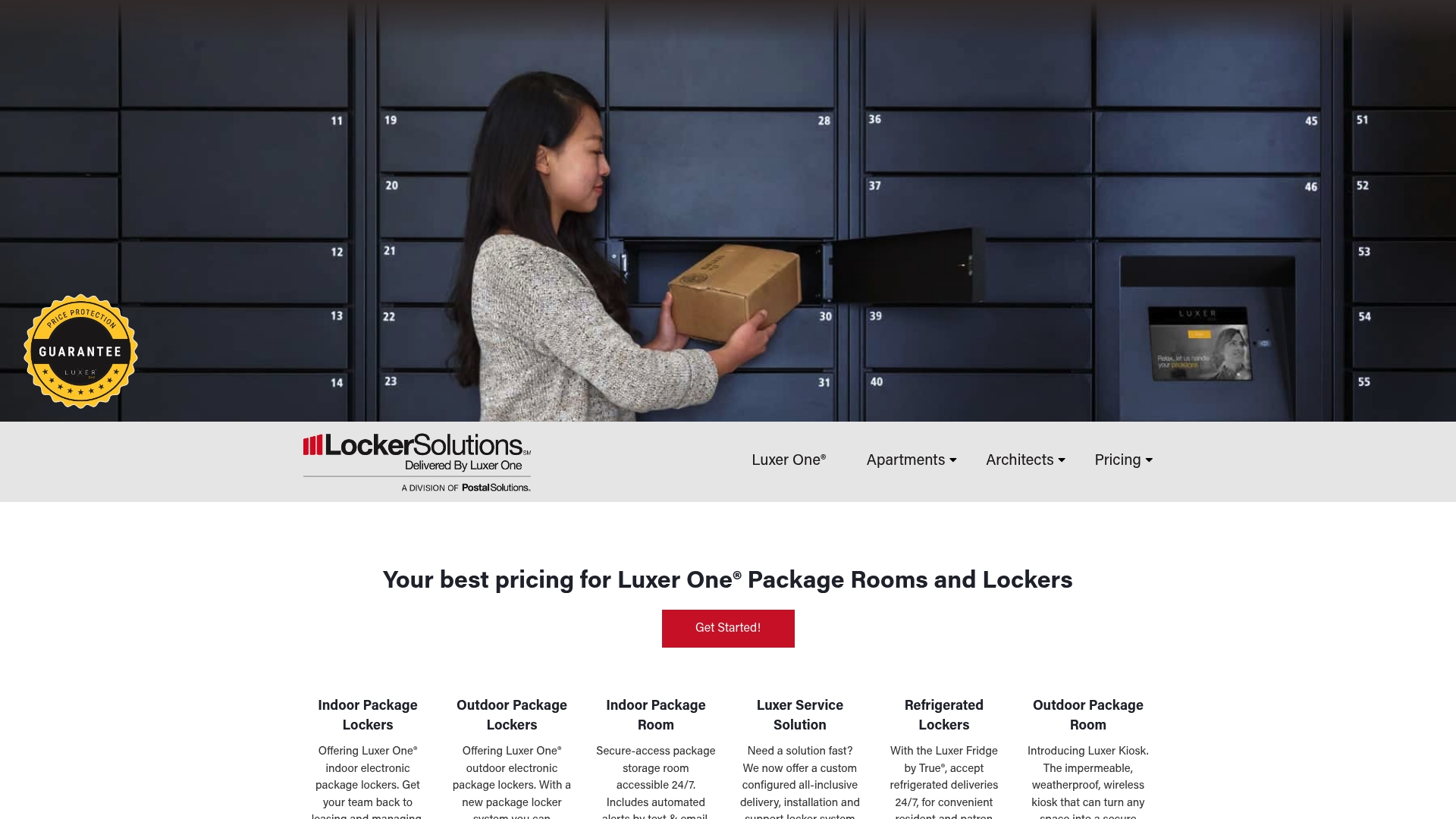
Locker Solutions specializes in exactly this. From indoor package room systems and monitored package rooms to refrigerated lockers and weatherproof outdoor kiosks, every solution is built for the specific demands of multifamily residential properties. The team works directly with property managers and leasing professionals to design configurations that fit your building’s layout, resident base, and operational goals. Whether you’re building from the ground up or upgrading an existing space, explore the full range of all package room and locker solutions and find the right fit for your property today.
Frequently asked questions
What’s the main difference between a package room and a mailroom?
A package room is purpose-built for high-volume, secure parcel storage with digital logging, automated notifications, and controlled access, while a traditional mailroom handles standard letter mail and was never designed for today’s delivery volumes. The multifamily package management workflow model makes this distinction operationally clear.
How can property managers prevent package theft in package rooms?
Install surveillance cameras, restrict access with rotating PIN codes or mobile credentials, and use digital logs that create an audit trail for every delivery and pickup event. The Luxer One Package Rooms and Lockers line is built with security-first materials and integrated access control to reduce theft risk substantially.
What are best practices for managing overflow during peak delivery times?
Designate a secondary overflow zone before peak season begins, communicate its location clearly to carriers and residents, and use automated notifications to prompt faster pickup and reduce accumulation. Following the multifamily package management surge planning framework keeps your system functional even during the busiest delivery windows.
Are automated package rooms suitable for smaller properties?
Automated systems scale well and can be configured for buildings of any size, but properties under 50 units may find that a semi-automated or manual system with strong workflow protocols delivers a better return on investment. The right choice depends on your daily package volume, resident expectations, and long-term growth plans.
Ready for a Luxer One® package locker quote?
Tell us your unit count and we'll send right-sized pricing with a fast response time.
Get my free quote