June 28, 2026
Why Chicago-Area Apartments Need Indoor Lockers
Discover why Chicago-area apartments need indoor lockers. Secure your packages and belongings from theft and harsh weather while enhancing satisfaction.

Indoor lockers are enclosed, secure storage units installed inside apartment buildings to protect packages and personal belongings from theft, weather, and damage. Chicago-area apartments need indoor lockers more than most because the city combines brutal winters, shrinking unit sizes, and surging package delivery volumes into a storage problem that outdoor cages and lobby corners simply cannot solve. Property owners who install indoor locker systems gain a measurable amenity that drives resident satisfaction and ancillary revenue. Residents gain peace of mind every time a delivery arrives in january or a pair of wet boots needs somewhere to go.
Why Chicago-area apartments need indoor lockers
Chicago’s climate is the first reason indoor storage is not optional. Chicago averages 38 inches of annual snowfall, and that figure does not capture the freeze-thaw cycles, lake-effect wind, and humidity swings that define life on the lakefront. Those conditions destroy packages left in exposed lobbies and corrode outdoor metal storage within a few seasons.
Space is the second reason. Chicago apartments rank among the smallest in the nation, averaging about 748 square feet, with average sizes dropping 6% since 2015. Less floor space inside a unit means residents have nowhere to store bulky winter gear, sports equipment, or the growing pile of delivered boxes. Micro-units of 400 square feet or smaller now account for 7.4% of Chicago apartments, and those residents depend almost entirely on building-provided storage.

Package volume is the third driver. E-commerce deliveries have grown year over year, and apartment buildings without a managed solution end up with packages stacked in hallways, signed for by overwhelmed front desk staff, or stolen from unsecured entry points. Indoor lockers solve all three problems at once.
How Chicago’s climate and apartment design create unique storage challenges
The physical reality of a Chicago winter creates storage conditions that no outdoor solution handles well. Wet boots, soaked coats, and damp umbrellas need somewhere to dry. Outdoor storage units trap that moisture, and the result is mold, odor, and deteriorating materials within one season.
“Experts recommend materials rated for moisture and ventilation to combat odor and damage in harsh Chicago winters.” — Euroview Chicago
The design of Chicago apartment buildings compounds the problem. Most properties built in the last decade prioritize unit count over common-area storage. Hallways are narrow, mechanical rooms are tight, and the traditional wire mesh cage in the basement is the only storage option many residents have ever seen.
Mesh cages fail on multiple fronts:
- Visibility: Anyone walking past can see exactly what is stored inside.
- Moisture control: Open mesh allows humidity, cold air, and pests to reach stored items.
- Security: Basic padlocks on mesh cages offer minimal resistance to theft.
- Aesthetics: Rows of wire cages signal neglect, not quality living.
Enclosed indoor lockers address every one of those failures. They keep stored items out of sight, regulate the immediate storage environment, and present a clean, finished appearance that matches the expectations of modern renters.
What benefits do indoor lockers offer residents and property owners?
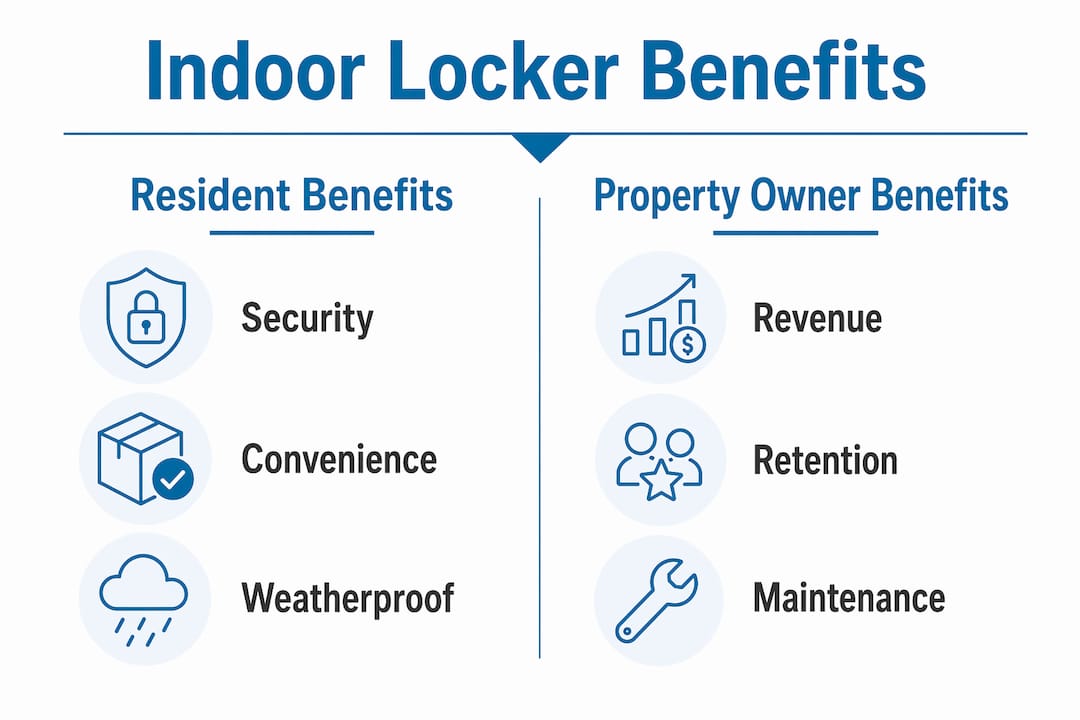
The benefits of indoor lockers fall into four clear categories, and each one matters differently depending on whether you are a resident or a property owner.
Security and theft prevention
Package theft is a documented problem in dense urban buildings. Enclosed lockers with electronic access control mean only the intended recipient can retrieve a delivery. Video surveillance integration, available through systems like Luxer One® offered by Locker Solutions, adds a second layer of deterrence. Residents stop worrying about a $200 delivery sitting in an open lobby.
Convenience and 24/7 access
Residents pick up packages on their own schedule, not during staffed office hours. Automated alerts notify residents the moment a delivery is logged. That removes the need for front desk staff to manage package intake, which is a real labor cost for property managers running lean operations.
Weather protection for stored items
Chicago winters are hard on belongings. Indoor lockers protect seasonal gear, bicycles, and delivered goods from temperature extremes and moisture. Ventilated, moisture-resistant indoor lockers prevent the structural degradation and odor that accumulate in poorly designed storage spaces. That protection extends the life of expensive winter equipment and keeps stored items in usable condition year-round.
Revenue and resident retention for property owners
Properties installing secure storage units see quick rentals and waitlists, driving profitability and resident satisfaction. Locker rentals generate recurring ancillary income without significant ongoing cost. Residents who value their storage solution renew leases at higher rates, which reduces turnover costs that typically run into thousands of dollars per unit.
Pro Tip: Set locker rental pricing at a modest monthly rate and market it during the leasing tour. Storage waitlists signal demand and create urgency that helps close prospective residents faster.
How do indoor lockers compare to outdoor or mesh cage storage in Chicago?
The comparison between indoor lockers and outdoor or mesh cage alternatives is not close when Chicago-specific conditions are applied.
| Feature | Indoor lockers | Outdoor or mesh cage storage |
|---|---|---|
| Moisture control | Enclosed, ventilated materials prevent mold and odor | Open mesh traps humidity; outdoor units corrode |
| Security | Electronic access, video surveillance, individual locks | Basic padlocks, visible contents, easy to cut |
| Aesthetics | Clean, finished appearance in common areas | Industrial look, often poorly lit |
| Weather exposure | Protected from snow, ice, and temperature swings | Direct exposure to Chicago winters |
| Fire code compliance | Planned installations meet sprinkler clearance requirements | Retrofitted cages often conflict with fire safety codes |
High-security, fully enclosed on-site storage has shifted from a premium upgrade to a baseline expectation among renters. Property owners who still offer only mesh cages face a competitive disadvantage in a market where residents compare amenity lists before signing leases.
Outdoor lockers present a specific problem in Chicago that warrants its own attention. Even weatherproof outdoor units face repeated freeze-thaw stress on seals, hinges, and electronic components. Maintenance costs accumulate. Indoor installations avoid that exposure entirely and typically carry longer service lives as a result.
How to choose and implement indoor locker systems for Chicago apartments
Selecting the right indoor locker system requires decisions across four areas: materials, ventilation, sizing, and timing.
Material selection
Choose locker materials rated for moisture resistance. Powder-coated steel with sealed seams performs well in Chicago’s humidity range. Avoid raw wood or uncoated metal, both of which degrade quickly when wet winter gear is stored regularly.
Ventilation design
Active ventilation is not optional in a Chicago building. Lockers that store boots and coats need airflow to dry wet materials and prevent odor buildup. Locker systems with built-in ventilation slots or active airflow channels solve this without requiring separate HVAC modifications.
Sizing for resident needs
Storage lockers typically range from 3x3 to 5x5 feet, making them well-suited for seasonal items, packages, and personal gear without consuming the floor space of a full storage unit. Match locker size to the unit mix in your building. A property with many studio and one-bedroom units needs more small lockers. Buildings with larger family units benefit from a mix of sizes.
Timing and architectural integration
Retrofitting storage often conflicts with fire safety codes, particularly around sprinkler clearance and egress requirements. Early planning allows proper lighting, ventilation, and sprinkler clearances to be built in from the start. For existing buildings, work with a provider who understands local code requirements before purchasing any system.
Pro Tip: When retrofitting an existing Chicago building, request a site assessment from your locker provider before finalizing a floor plan. Sprinkler clearance requirements vary by building age and jurisdiction, and a missed clearance can require expensive rework.
- Confirm fire code compliance before installation begins.
- Plan electrical access for electronic locking systems during rough-in, not after.
- Reserve space for future locker expansion as the building’s resident count grows.
- Choose a provider with local installation experience in Chicago-area multifamily properties.
Key takeaways
Indoor lockers are a structural necessity for Chicago-area apartments, not an optional upgrade, because the city’s climate, shrinking unit sizes, and package delivery volumes create storage demands that no outdoor or mesh cage solution can meet.
| Point | Details |
|---|---|
| Climate drives the need | Chicago’s 38 inches of annual snowfall makes weather-protected indoor storage a practical requirement. |
| Space constraints are real | At an average of 748 sq ft, Chicago apartments leave residents with no room for seasonal gear or delivered packages. |
| Security beats mesh cages | Enclosed lockers with electronic access eliminate the visibility and theft risks that mesh cages cannot address. |
| Revenue opportunity exists | Properties with secure indoor storage see quick locker rentals and waitlists, generating recurring income. |
| Plan early, avoid costly fixes | Integrating lockers during architectural design prevents fire code conflicts and expensive retrofits later. |
The storage gap Chicago property owners keep underestimating
From working with multifamily properties across the Chicago area, the pattern is consistent: property owners invest heavily in lobby finishes, fitness centers, and rooftop amenities, then treat storage as an afterthought. That gap shows up immediately when residents move in with a full set of winter gear and nowhere to put it.
The shift toward micro-apartments makes this worse, not better. As unit sizes shrink and rents stay high, residents expect the building to compensate with shared amenities that actually function. A row of wire cages in a damp basement does not meet that expectation in 2026.
The property owners who get this right treat indoor lockers the same way they treat parking: as a revenue-generating amenity with a waitlist, not a utility to be minimized. The ones who get it wrong spend money on retrofits, deal with resident complaints about theft and clutter, and lose renewals to buildings that solved the problem years earlier.
Planning for secure, enclosed storage now costs a fraction of what a retrofit costs later. The math is straightforward, and the resident expectation is only going to increase.
— Locker Solutions
Indoor locker solutions for Chicago apartments from Locker Solutions
Chicago apartment buildings face a specific combination of weather, space, and delivery challenges that generic storage products do not address.
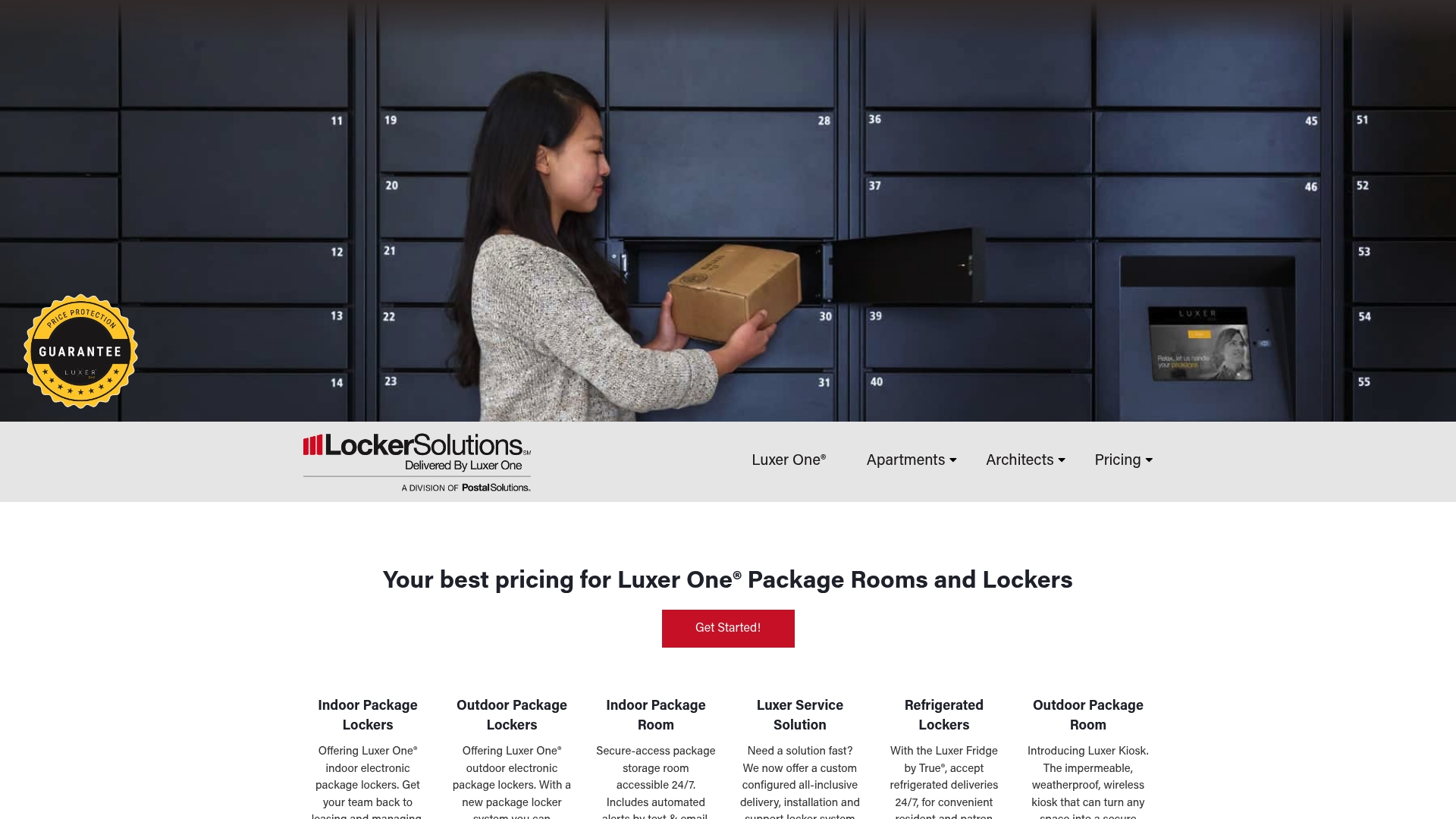
Locker Solutions specializes in Luxer One® indoor and outdoor electronic package lockers built for multifamily properties. The product line includes indoor parcel lockers sized for Chicago apartment buildings, refrigerated lockers for grocery and meal kit deliveries, and automated package rooms for high-volume properties. Every system includes automated resident alerts, video surveillance, and secure electronic access. Locker Solutions handles installation, configuration, and ongoing support, so property managers do not carry the operational burden alone. Explore the full range of apartment locker options to find the right fit for your building’s size and layout.
FAQ
Why do Chicago winters require indoor locker solutions?
Chicago averages 38 inches of annual snowfall, and outdoor storage units face repeated freeze-thaw stress that degrades seals, electronics, and stored items. Indoor lockers eliminate weather exposure entirely and protect packages and gear year-round.
What size are indoor storage lockers for apartments?
Storage lockers typically range from 3x3 to 5x5 feet, making them practical for seasonal items, packages, and personal gear. Property managers can mix sizes to match the unit types in their building.
How do indoor lockers generate revenue for property owners?
Properties that install secure indoor storage units see fast locker rentals and active waitlists. Monthly rental fees create recurring ancillary income with minimal ongoing cost, and satisfied residents renew leases at higher rates.
Are indoor lockers better than mesh cage storage in Chicago?
Enclosed indoor lockers outperform mesh cages on every relevant measure in Chicago: moisture control, security, aesthetics, and fire code compliance. Mesh cages leave contents visible, allow humidity and cold air to reach stored items, and offer minimal theft resistance.
When should a Chicago property owner install indoor lockers?
The best time is during initial architectural planning, when sprinkler clearances, electrical rough-in, and ventilation can be built in from the start. Retrofitting existing buildings is possible but requires a code review before purchasing any system.
Recommended
- Choosing the Right Locker Company for Multifamily Properties — Locker Solutions Blog
- Apartment locker setup guide: maximize efficiency now - Luxer One Locker Solutions
- Locker Solutions for Apartments — Parcel, Package Room & Refrigerated | Luxer One
- Apartment Package Lockers by City — Luxer One® Installs Nationwide | Locker Solutions
Ready for a Luxer One® package locker quote?
Tell us your unit count and we'll send right-sized pricing with a fast response time.
Get my free quote