June 2, 2026
Resident Deliveries: A Property Manager's 2026 Guide
Explore essential strategies for efficient resident deliveries in multifamily housing. Boost tenant satisfaction and streamline operations in 2026!
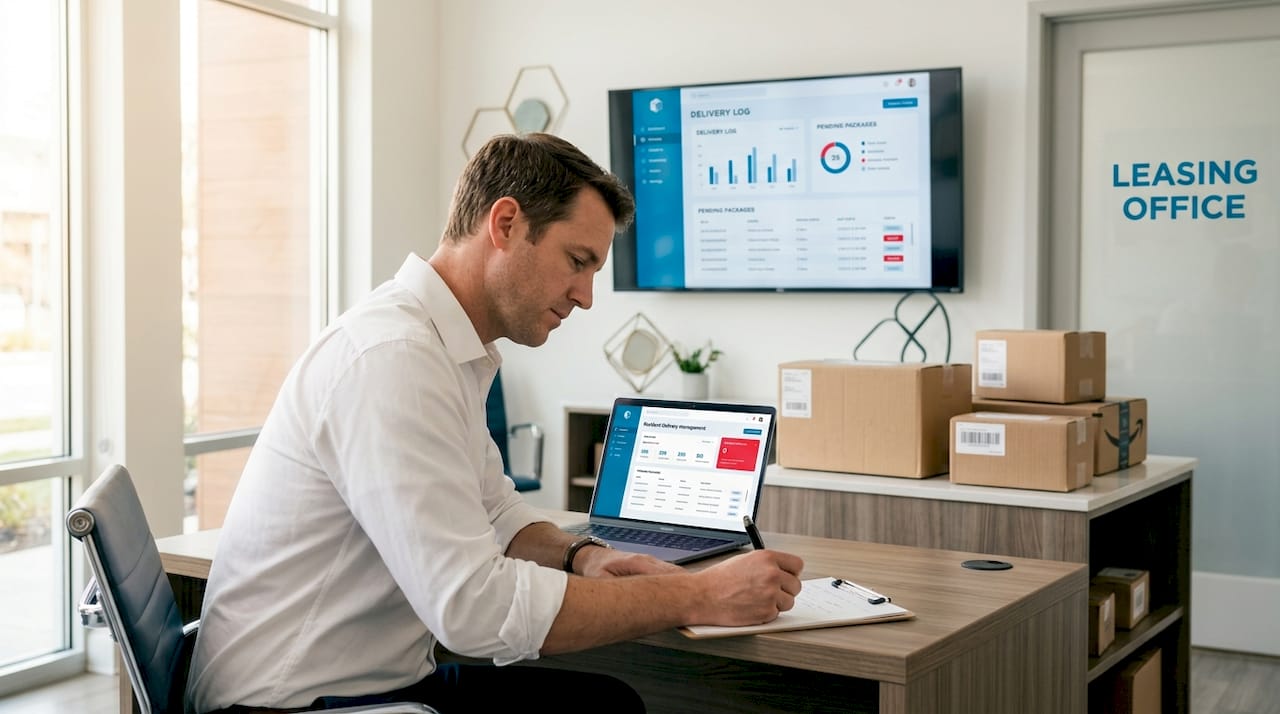
Resident deliveries are defined as the full operational process of receiving, storing, securing, and returning packages to multifamily housing residents, from carrier intake through final pickup or doorstep handoff. This is no longer a minor administrative task. A 400-unit building in New York City receives roughly 187 packages per day, and large properties may require 12 or more staff members just to manage the volume. The industry term for managing this function at scale is multifamily package logistics, and it covers everything from smart locker hardware to offsite centralized services like Fetch and notification tools like USPS Informed Delivery. Getting this right directly affects lease renewals, staff retention, and your property’s competitive position.
What delivery models work best for resident deliveries?
The right model depends on your property’s size, layout, resident demographics, and daily volume. Three primary models dominate the market today, and each carries distinct trade-offs.
Smart lockers are fixed-compartment units installed on-site. They automate resident notification, provide secure storage, and require minimal staff involvement after installation. The limitation is structural: smart lockers have fixed compartments, making them inefficient for oversized packages and difficult to scale during volume surges. They work best for mid-size properties with predictable package sizes and moderate daily volume.
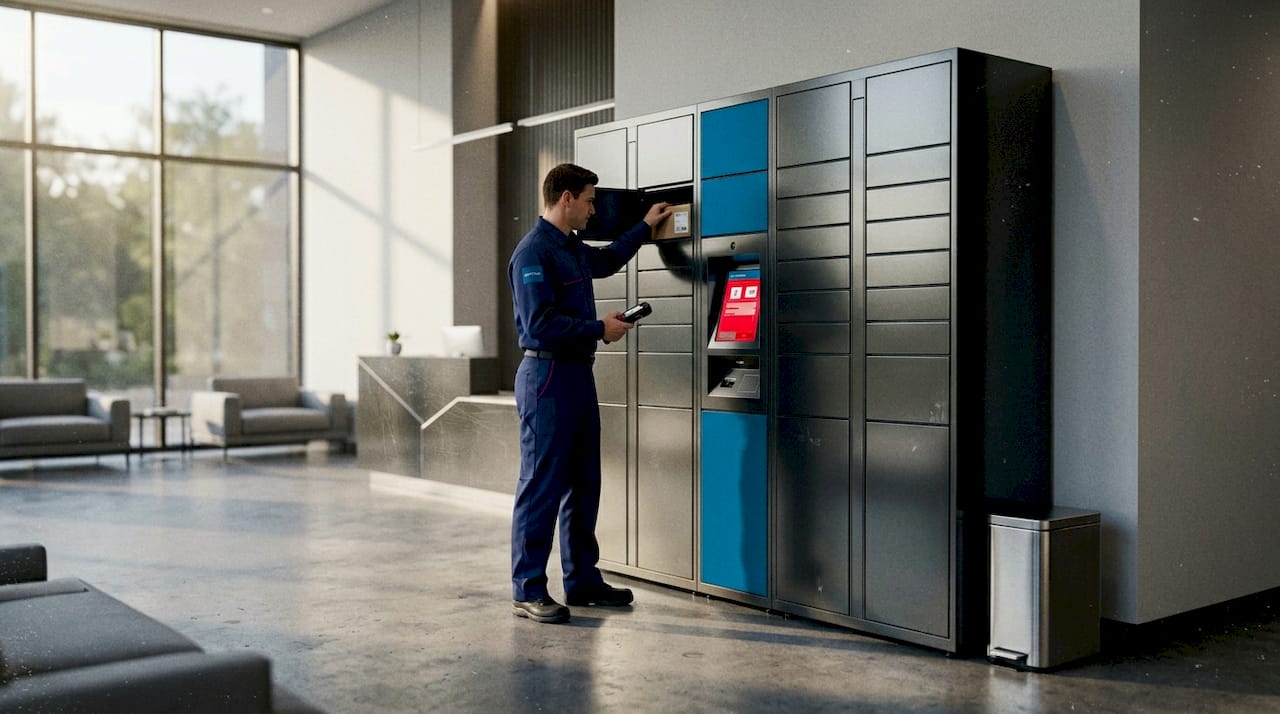
Smart package rooms use computer vision technology to track packages placed on open shelves, removing the fixed-compartment constraint entirely. At Stuyvesant Town in New York City, smart room technology cut resident wait times from 30 minutes to seconds and reduced the required staff count from 12 to just 2. This model suits large, high-volume properties where locker capacity would be exhausted daily.
Offsite centralized delivery routes all packages to a third-party warehouse, with direct doorstep delivery scheduled by the resident. Fetch operates across 25 U.S. markets serving over 400,000 apartment homes, requiring no on-site footprint, construction, or additional staffing. This model eliminates the property’s package burden entirely, though it requires resident adoption and carrier compliance with address redirection.
| Property profile | Recommended model | Key reason |
|---|---|---|
| Under 100 units, low volume | Smart lockers | Low cost, minimal footprint |
| 100 to 400 units, mixed package sizes | Smart package room | Handles volume and oversized items |
| 400+ units, high staff cost | Offsite centralized service | Removes burden from property entirely |
| Any size, temperature-sensitive deliveries | Refrigerated lockers | Preserves groceries and pharmaceuticals |
Pro Tip: Before committing to a model, audit two weeks of incoming packages by size category. If more than 15% of packages exceed standard locker dimensions, a package room or offsite model will serve you better long-term.
What tools and workflows make apartment package delivery efficient?
End-to-end accountability, from intake tracking to secure handoff, is the defining principle of a functional delivery system. The hardware is only half the equation. The software layer and operational protocols determine whether the system actually works day to day.
The core technology stack for resident apartment logistics includes:
- Package management software such as Luxer One’s platform, which logs every package at intake, timestamps it, and triggers automated resident notifications via email or SMS.
- Resident notification apps that push real-time alerts when a package is deposited, reducing front-desk inquiries and missed pickups.
- Video surveillance integrated with access logs, which creates an auditable chain of custody from carrier drop-off to resident retrieval. This is the backbone of multifamily package security and dispute resolution.
- USPS Informed Delivery, which gives residents grayscale previews of incoming mail and package tracking updates. However, USPS Informed Delivery reflects processing times rather than actual arrival and has limited address eligibility. It supplements building-level logistics but does not replace them.
- Carrier communication protocols, including access codes, pictorial SOPs posted at entry points, and escalation contacts for non-compliant deliveries.
The resident pickup experience also matters more than most property managers realize. A secure package pickup workflow should include a clear notification with pickup location, a simple authentication method (PIN, QR code, or app), and a defined window before unclaimed packages are flagged. Residents who struggle to retrieve packages generate support tickets, complaints, and, eventually, negative lease renewal decisions.
Pro Tip: Post carrier-facing instructions in three formats: a laminated sign at the delivery entrance, a digital PDF sent to all major carriers quarterly, and a brief verbal orientation for any new delivery personnel who check in at the front desk.
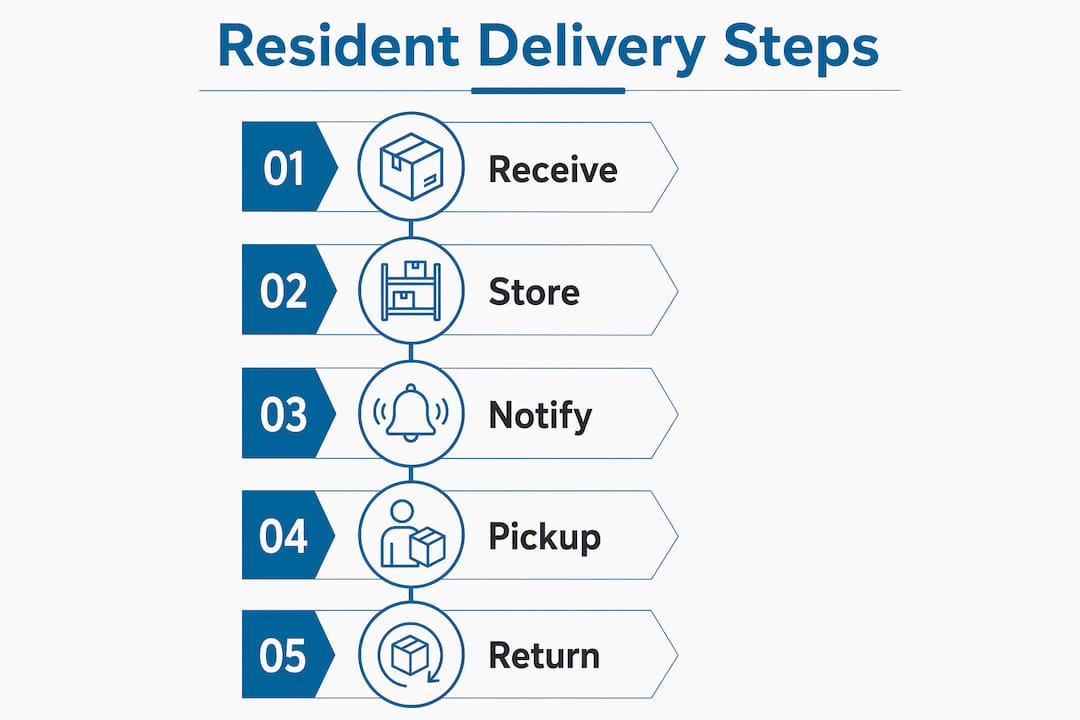
How to implement a resident delivery system step by step
A structured rollout prevents the most common failure modes: under-specified hardware, untrained carriers, and residents who ignore the new system entirely.
-
Assess your current delivery volume and space. Pull 30 days of package intake logs. Measure available square footage near the building entrance or mailroom. Identify whether you have power access and network connectivity for electronic systems. This data drives every procurement decision that follows.
-
Select and procure the appropriate system. Match your findings from Step 1 to the model framework above. Request proposals from vendors that include installation timelines, maintenance agreements, and resident-facing onboarding materials. Locker-solutions offers automated delivery systems with turnkey installation and ongoing support.
-
Develop carrier and staff protocols. Standardizing carrier communication with simple, pictorial SOPs and access codes is the single most effective way to prevent delivery failures. Create a one-page visual guide for carriers covering entry access, locker or room deposit steps, and what to do when the system is full. Train your staff on the escalation process when carriers deviate.
-
Launch resident communication. Send a dedicated email announcement before go-live, include setup instructions in your resident portal, and post physical signage at the package area. Residents who understand the system from day one generate far fewer complaints in the first 90 days.
-
Monitor performance and collect feedback. Track three metrics monthly: average pickup time, unclaimed package rate, and resident complaint volume related to deliveries. Review carrier compliance quarterly. Adjust protocols based on what the data shows, not anecdote.
| Implementation phase | Key deliverable | Success metric |
|---|---|---|
| Assessment | Volume and space audit | Accurate daily package count |
| Procurement | Vendor contract signed | Installation date confirmed |
| Protocol development | Carrier SOP distributed | Carrier compliance rate above 90% |
| Resident launch | Notification sent, signage posted | 80%+ resident enrollment in alerts |
| Ongoing monitoring | Monthly performance report | Complaint rate below baseline |
What common challenges arise in resident deliveries and how to fix them
Even well-designed systems break down under real-world conditions. Knowing the failure modes in advance lets you build countermeasures before problems escalate.
Carrier non-compliance is cited by 70% of operators as the most common cause of package system failures. Carriers leave packages in hallways, skip the locker system entirely, or use incorrect access codes. The fix is not hardware. Carrier compliance requires clear courier-facing workflows and escalation measures for deviations. File formal complaints with UPS, FedEx, and Amazon Logistics when patterns emerge. Carriers respond to documented escalations faster than informal requests.
Oversized packages create a secondary problem that lockers cannot solve. About 70% of home furnishings purchases come from Millennials and Gen Z, the dominant renter demographic, and these purchases frequently arrive as large, awkward parcels. Designate a dedicated overflow area with clear labeling and a separate notification workflow for packages that cannot fit standard storage.
Resident communication gaps cause unclaimed packages to pile up, which creates overflow and security risk. If your notification system sends only one alert, add a 48-hour follow-up and a final notice before the package is flagged for return or storage. Most residents miss the first notification, not because they don’t care, but because email volume is high.
“The properties that handle deliveries best treat it like a logistics operation, not a front-desk favor. That mindset shift changes everything from how you train staff to how you negotiate with carriers.”
Seasonal spikes, particularly in November and December, can triple daily package volume. Build a surge protocol into your annual calendar: add temporary overflow shelving, increase notification frequency, and brief staff on the escalation process before peak season begins rather than during it.
Key takeaways
Effective resident delivery management requires matching the right model to your property profile, building carrier accountability into your protocols, and treating resident notification as a non-negotiable operational standard.
| Point | Details |
|---|---|
| Match model to property | Smart lockers suit small properties; package rooms and offsite services handle high-volume or oversized needs. |
| Carrier compliance is the top failure point | 70% of operators cite non-compliance as the primary cause of delivery system breakdowns. |
| Notification drives pickup rates | Multi-touch resident alerts reduce unclaimed packages and prevent overflow. |
| Accountability requires software, not just hardware | Intake logging, video surveillance, and audit trails protect both residents and staff. |
| Surge planning is annual, not reactive | Build overflow protocols and seasonal staffing adjustments into your yearly calendar. |
What I’ve learned about resident deliveries after years in the field
The most persistent mistake I see property managers make is treating package management as a one-time infrastructure decision. They install lockers, declare the problem solved, and move on. Six months later, the lockers are full by noon, carriers are leaving packages in the lobby, and residents are filing complaints.
The real work is operational, not physical. Amazon Now now delivers groceries in about 30 minutes across dozens of U.S. cities, and residents increasingly expect door-to-door delivery with real-time tracking. That expectation does not stop at your property line. Residents compare their building’s delivery experience to their consumer experience with Amazon, not to what was standard five years ago.
What I find genuinely underrated is the offsite centralized model. Most property managers I speak with dismiss it because it requires residents to change their delivery address. But Fetch’s model, now covering nearly 400,000 homes, proves that adoption is achievable when the resident experience is better than the alternative. If your staff is spending hours a day on packages, the math on offsite services often works in your favor before you even factor in resident satisfaction.
The properties that get this right share one trait: they evaluate their delivery system every year, not every five years. Technology and resident expectations both move faster than most capital planning cycles. Build a review into your annual operating calendar, and you will stay ahead of the problem instead of reacting to it.
— Craig
How Locker-solutions can optimize your package management
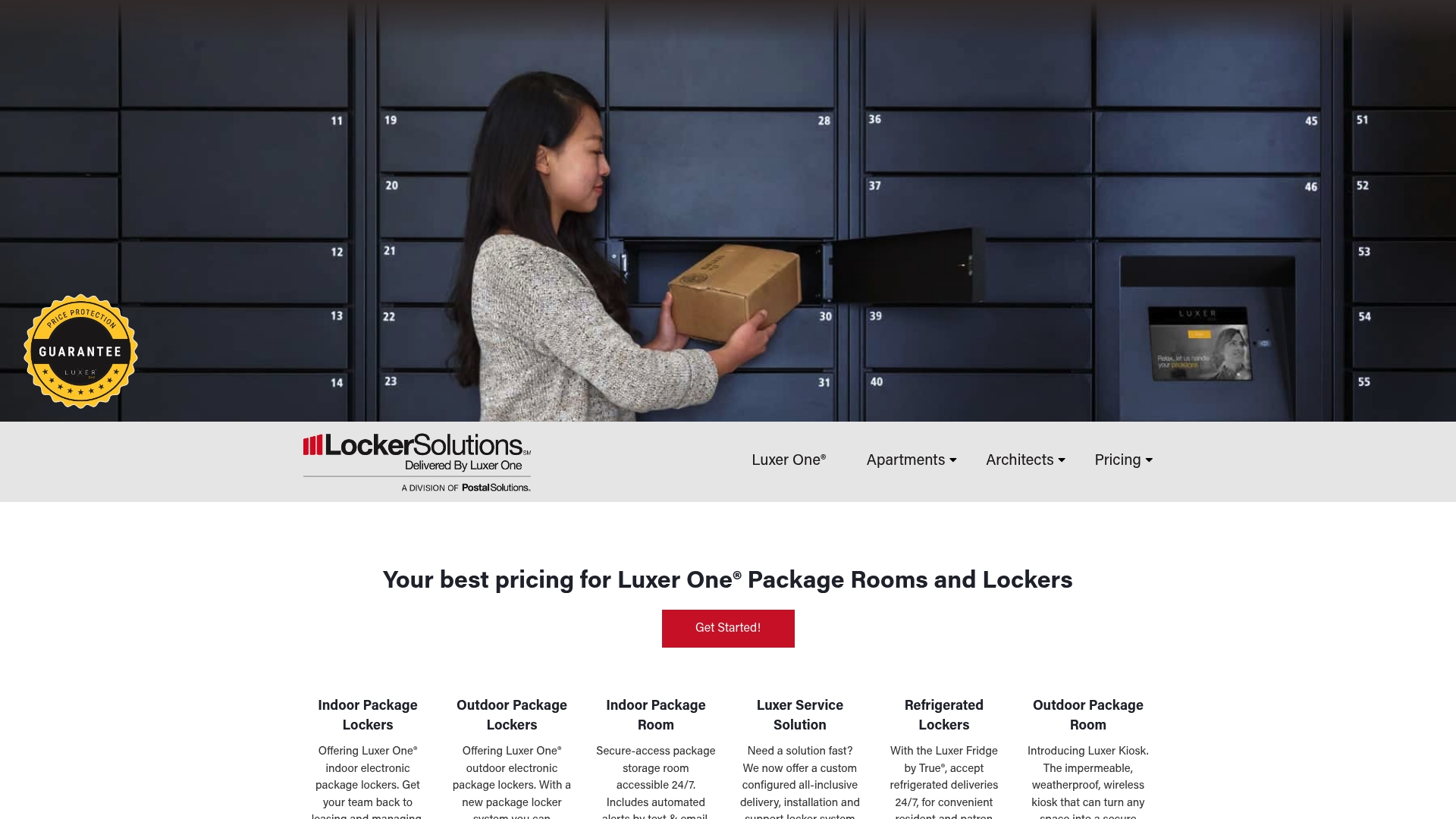
Locker-solutions provides Luxer One® package lockers, automated package rooms, and refrigerated lockers designed specifically for multifamily properties. Whether you manage a 50-unit community or a 600-unit high-rise, the product line scales to match your volume, footprint, and resident demographics. Outdoor weatherproof kiosks keep packages out of your leasing office entirely, while refrigerated units handle the growing volume of grocery and pharmaceutical deliveries. Every system includes automated resident alerts, video surveillance, and full audit logging. Explore the full range of Luxer One package solutions or review package room management services to find the configuration that fits your property.
FAQ
What are resident deliveries in multifamily housing?
Resident deliveries refer to the full process of receiving, storing, and returning packages to apartment residents, covering carrier intake, secure storage, resident notification, and final pickup or doorstep delivery. Managing this function effectively is a core operational responsibility for property managers.
How do I choose between smart lockers and a package room?
Smart lockers work well for properties under 200 units with predictable package sizes, while package rooms are better suited for high-volume properties or buildings with frequent oversized deliveries. If more than 15% of your daily packages exceed standard locker dimensions, a package room will serve you better.
What is the most common cause of delivery system failures?
Carrier non-compliance is cited by 70% of multifamily operators as the primary cause of package system breakdowns. Pictorial SOPs, access codes, and formal escalation processes with major carriers are the most effective countermeasures.
Does USPS Informed Delivery replace building-level package management?
No. USPS Informed Delivery provides residents with mail previews and tracking updates, but it reflects processing times rather than actual arrival and has limited address eligibility. It supplements, but does not replace, on-site package logistics workflows.
How should I handle seasonal delivery surges?
Build a surge protocol into your annual calendar before peak season, not during it. Add temporary overflow storage, increase notification frequency to residents, and brief staff on escalation steps. Properties that plan for November and December volume in September avoid the complaints that hit unprepared buildings every year.
Recommended
Ready for a Luxer One® package locker quote?
Tell us your unit count and we'll send right-sized pricing with a fast response time.
Get my free quote