July 18, 2026
Pickup Delivery Driver Jobs in 2026: Top 10 Roles
Explore the top 10 pickup delivery driver jobs in 2026. Find flexible roles and maximize your earnings based on your qualifications!
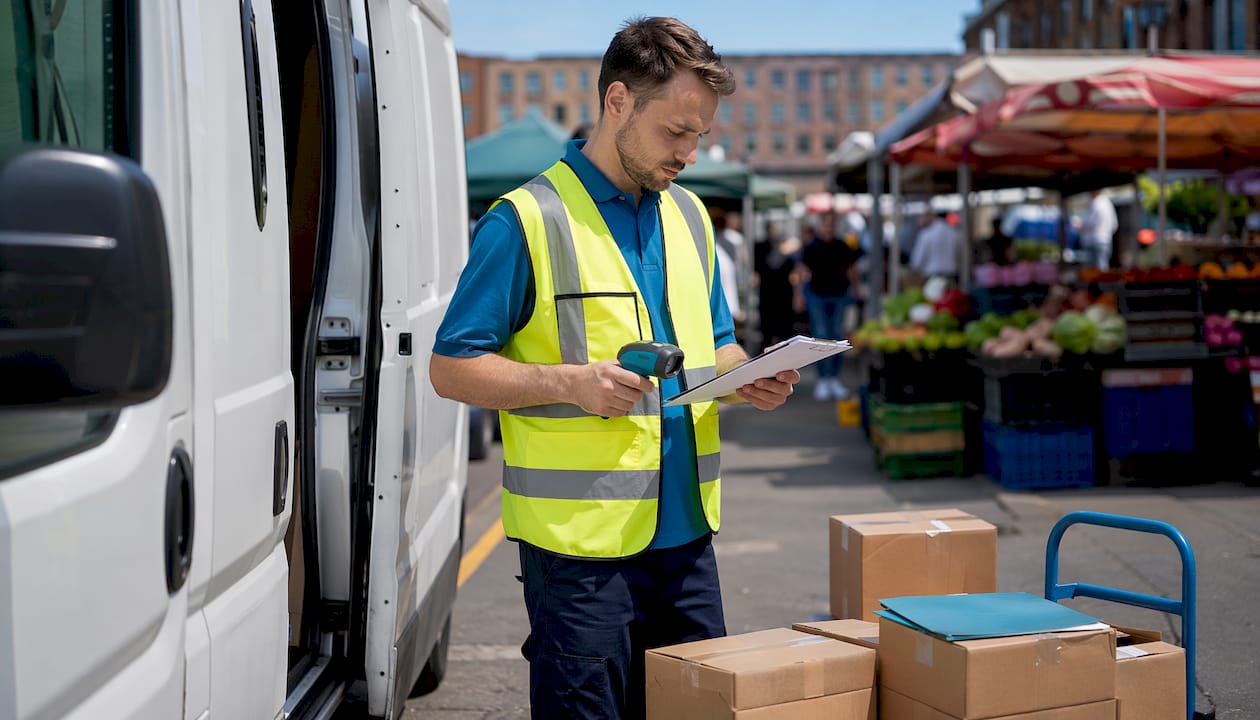
A pickup delivery driver is defined as a worker who transports goods between locations, using either a personal or company vehicle, and handles the full chain from collection to confirmed drop-off. The role spans gig economy positions with flexible hours to company-employed routes with scheduled shifts and specialized vehicles. Most entry-level positions require a valid driver’s license and a clean driving record, while freight-focused roles demand a CDL Class A with hazmat and double or triple trailer endorsements. Pay varies widely, from hourly rates around $21.75 to $24.00 at companies like Staples to tip-based income in gig roles. Understanding which role fits your vehicle, schedule, and license level is the fastest way to maximize your earning potential.
1. What does a pickup delivery driver actually do?
A pickup delivery driver collects packages, goods, or freight from a sender and delivers them to a recipient, often within a defined geographic zone. The job title covers a wide range of roles. Some drivers handle small parcels for residential addresses. Others move commercial freight on scheduled routes using company trucks.
Pickup delivery roles cluster into two main types: gig-style positions that require your own vehicle and minimal licensing, and company-employed positions that require more certifications and fixed shifts. Employers also distinguish between pure driving roles and driver-helper roles, where loading and unloading are part of the job. Knowing which category you are applying for changes your preparation entirely.
2. Gig-based local delivery driver roles
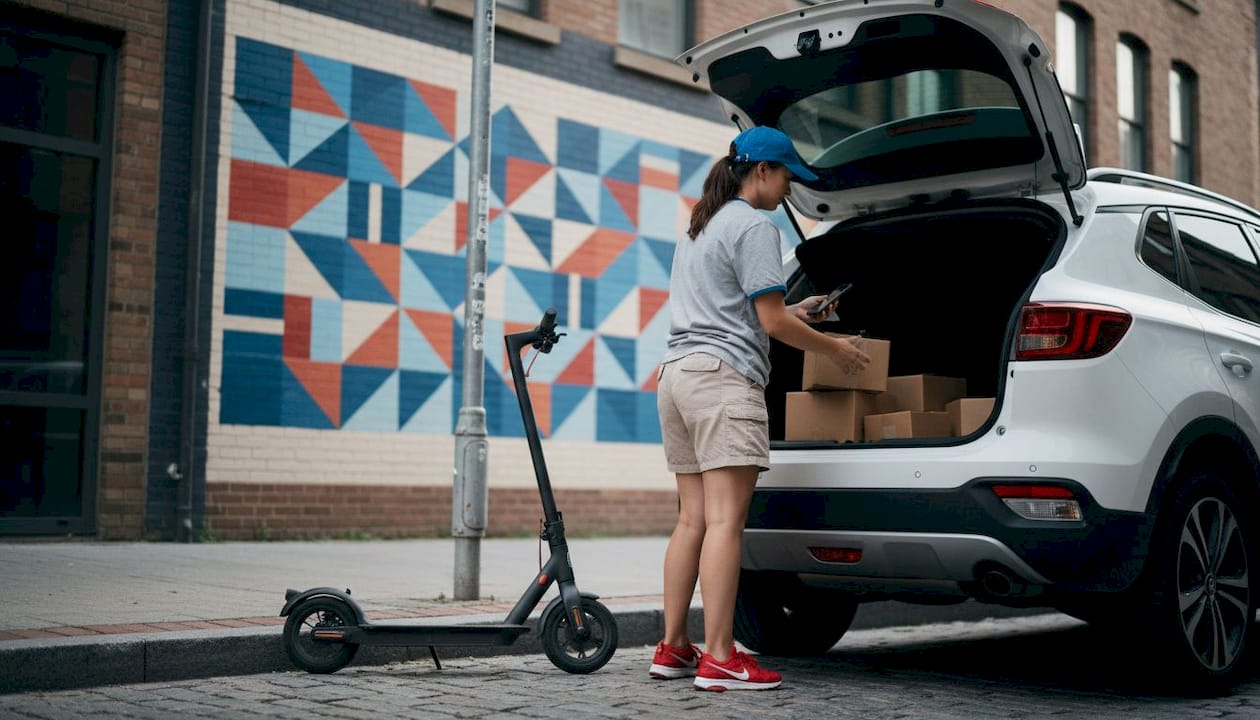
Gig roles are the most accessible entry point for anyone exploring delivery driver jobs. You use your own insured vehicle, set your own hours, and accept or decline orders through a mobile app. Pay comes from a base rate per delivery plus tips, and income scales with how many hours you work.
The tradeoff is real. You cover your own fuel, maintenance, and self-employment taxes. On-demand delivery services use upfront quoting and same-day delivery workflows, which means tight windows and back-to-back stops. Gig driving works best for drivers who want flexibility and already own a reliable, fuel-efficient vehicle.
Pro Tip: Track every mile you drive for gig work. The IRS standard mileage deduction can significantly reduce your taxable income at year-end.
3. Company-employed delivery driver with a company vehicle
Company-employed drivers work scheduled routes, drive employer-owned vehicles, and receive benefits like health insurance and paid time off. Retailers such as The Home Depot differentiate driver-helper and pure delivery driver positions, so read job postings carefully before applying.
This role suits drivers who prefer predictable income and structured hours over gig flexibility. You trade schedule control for job stability. Most positions require a clean motor vehicle record and a valid state driver’s license, with no CDL needed for light-duty trucks.
4. Grocery delivery driver
Grocery delivery is one of the fastest-growing segments of local delivery driver work. Drivers pick up orders from a store or warehouse and deliver them directly to customers’ homes, often within a one- to two-hour window. Customer interaction is higher than in parcel delivery, and tips form a meaningful part of total pay.
The physical demand is moderate. Grocery bags are lighter than freight, but multiple stops per hour add up. Drivers who build strong customer service habits and learn efficient parking strategies in dense neighborhoods earn the most in this category.
5. Freight pickup and delivery driver with CDL
Freight roles represent the highest-earning tier of pickup and delivery services. A CDL Class A with hazmat and double or triple trailer endorsements is required for large freight carriers. These positions involve commercial pickup and delivery on fixed regional routes, often with early morning start times and strict delivery windows.
The certification investment pays off. Freight drivers earn significantly more per hour than gig or light-duty drivers. Roles at carriers like AAA Cooper specify a minimum age of 21 and a high school diploma or GED as baseline requirements.
6. Staples-style scheduled delivery driver
Retail delivery roles at office supply and home improvement chains offer a middle ground between gig work and full freight driving. Staples lists hourly pay of $21.75 to $24.00 with typical weekday daytime shifts. That pay structure is predictable and does not depend on tips or order volume.
These roles usually involve delivering bulky items like furniture, printers, or office equipment to businesses and homes. Physical strength matters here. Drivers often handle items over 50 pounds and may need to carry goods up stairs or into offices.
Pro Tip: Mirror the exact phrasing from the employer’s job posting on your resume. Applicant tracking systems screen for specific terms like “delivery experience” or “CDL Class B” before a human ever reads your application.
7. Freelance delivery driver for courier services
Freelance delivery drivers operate as independent contractors for courier companies, handling time-sensitive documents, medical supplies, or specialty goods. Bay Area courier services describe workflows where drivers receive immediate quotes after submitting pickup and delivery details, then complete same-day runs. Speed and reliability define performance in this segment.
Freelance courier work pays well per run but requires strong route knowledge and the ability to handle urgent client requests. Drivers who specialize in medical or legal document delivery often command higher rates due to the sensitivity of the cargo.
8. Multifamily and apartment complex delivery driver
Delivering to multifamily residential properties is a distinct operational challenge. Proof of delivery apps use GPS geofencing to confirm delivery only within a property’s defined radius, which means parking location and building access directly affect whether a delivery registers as complete.
Drivers who understand multifamily delivery logistics save significant time per stop. Properties equipped with secure parcel lockers or automated package rooms allow drivers to complete a drop-off in under two minutes without waiting for a resident or leasing staff. That efficiency compounds across dozens of stops per shift.
9. Specialized pickup and delivery services: moving and hauling
Moving and hauling roles sit at the intersection of delivery and labor. Drivers use pickup trucks or cargo vans to transport furniture, appliances, or construction materials for individuals and small businesses. Pay is typically higher per job than parcel delivery, and many drivers charge by the hour plus a fuel surcharge.
This category suits drivers with strong physical fitness and customer service skills. Jobs come through gig platforms, direct client referrals, or local classified listings. Building a reputation for reliability and careful handling generates repeat business faster than any other strategy in this segment.
10. Long-haul versus local: understanding the difference
Long-haul truck driving and local pickup delivery driving are fundamentally different jobs. Long-haul drivers spend days or weeks away from home, covering interstate routes with large freight loads. Local delivery drivers return home daily, work defined geographic zones, and interact with customers directly.
Delivery driver jobs in the local segment require strong knowledge of city traffic patterns, parking regulations, and building access procedures. Long-haul roles prioritize highway endurance and federal Hours of Service compliance. Choosing between them depends on your lifestyle preference as much as your license class.
Essential qualifications for pickup and delivery roles
The qualifications for delivery driver jobs vary more than most job seekers expect. A standard gig role requires only a valid driver’s license and personal vehicle insurance. A freight role at a regional carrier requires a CDL Class A, hazmat certification, and endorsements for specialized trailer types.
Age is a consistent requirement across the industry. Most employers, including major freight carriers, require drivers to be at least 21 years old. A high school diploma or GED is the standard educational baseline. Physical ability to lift packages of 50 pounds or more is listed in most job postings.
Technology skills matter more than many applicants realize. Drivers must navigate GPS routing apps, complete digital proof of delivery, and in some cases operate within GPS geofencing systems that restrict delivery confirmation to a precise location radius. Drivers who adapt quickly to app-based workflows complete more stops per shift.
Common challenges and how to manage them
Delivery drivers face schedule pressure, road congestion, weather challenges, and physical demands that affect both safety and performance. Managing these challenges requires preparation, not just effort.
- Time pressure. Tight delivery windows create stress and encourage unsafe driving. Build buffer time into your route plan and communicate proactively with customers when delays occur.
- Traffic and weather. Check traffic conditions before each shift and identify alternate routes in advance. In winter, add extra time per stop for icy conditions.
- Physical fatigue. Stretch before and after shifts. Drivers who ignore physical recovery accumulate injuries that end careers.
- Customer conflict. Missed deliveries and damaged goods generate complaints. Document every drop-off with a photo and use the app’s confirmation tools to protect yourself.
- Vehicle maintenance. A breakdown mid-route costs you income and damages your rating. Schedule regular oil changes, tire checks, and brake inspections.
Pro Tip: Always verify job requirements directly on the employer’s website. Job aggregators update listings daily but final requirements may differ from what appears in search results.
How to maximize earnings as a delivery driver
Earnings in pickup and delivery services depend on three factors: pay structure, route efficiency, and timing. Understanding all three gives you a real advantage over drivers who simply accept the default.
- Choose the right pay structure. Hourly roles like Staples’ $21.75–$24.00 range offer predictability. Gig roles offer higher ceilings but require volume to match hourly pay.
- Work peak demand windows. Lunch hours, evenings, and weekends generate the highest order volume in food and grocery delivery. Scheduling your shifts around demand increases earnings per hour.
- Optimize your route before you start. Multi-stop route planning apps reduce backtracking and fuel costs. Drivers who plan routes save 15–30 minutes per shift, which translates directly to more completed deliveries.
- Build customer service habits. Consistent five-star ratings on gig platforms unlock priority dispatch and access to higher-paying orders.
- Add a second income stream. Drivers with cargo vans or pickup trucks can supplement parcel delivery with moving, hauling, or furniture assembly gigs on slower days.
Key Takeaways
The most effective approach to pickup delivery driving is matching your license class, vehicle type, and schedule preference to the right role before you apply.
| Point | Details |
|---|---|
| License requirements vary widely | Gig roles need only a valid license; freight roles require CDL Class A with endorsements. |
| Age and education baselines apply | Most employers require drivers to be at least 21 with a high school diploma or GED. |
| Tech skills affect earnings | GPS geofencing and proof of delivery apps directly impact how many stops you complete per shift. |
| Pay structure shapes income | Hourly roles offer stability; gig roles reward high volume and peak-hour scheduling. |
| Multifamily stops need preparation | Properties with parcel lockers cut drop-off time significantly, improving your daily stop count. |
What I’ve learned watching the delivery driver market shift
The gig economy has made it easier than ever to start driving, but harder than ever to build a sustainable income from it alone. Platforms commoditize driver labor quickly. The drivers who thrive long-term are the ones who treat this like a business, not a side hustle.
The regulatory environment is tightening. CDL requirements, Hours of Service rules, and app-based monitoring are all expanding. Drivers who invest in certifications now, especially hazmat and double/triple endorsements, position themselves for roles that pay significantly more and face less competition. The freight tier is where the real earning power sits, and most gig drivers never look there.
Technology is also changing the last-mile experience at the property level. Contactless delivery infrastructure at apartment complexes reduces the friction that costs drivers time on every stop. Properties that invest in this infrastructure are genuinely easier to deliver to, and that matters when you are running 80 stops a day.
My honest advice: pick a lane, get certified for it, and learn the technology that makes you faster at it. The drivers who treat their vehicle, their apps, and their customer ratings as professional tools consistently out-earn those who do not.
— Locker Solutions
How Locker Solutions supports drivers and property managers
Delivery efficiency at multifamily properties depends on the infrastructure waiting at the destination. Locker Solutions provides outdoor parcel lockers and automated package rooms that let drivers complete a drop-off in seconds, without waiting for staff or residents. That time savings adds up across every shift.
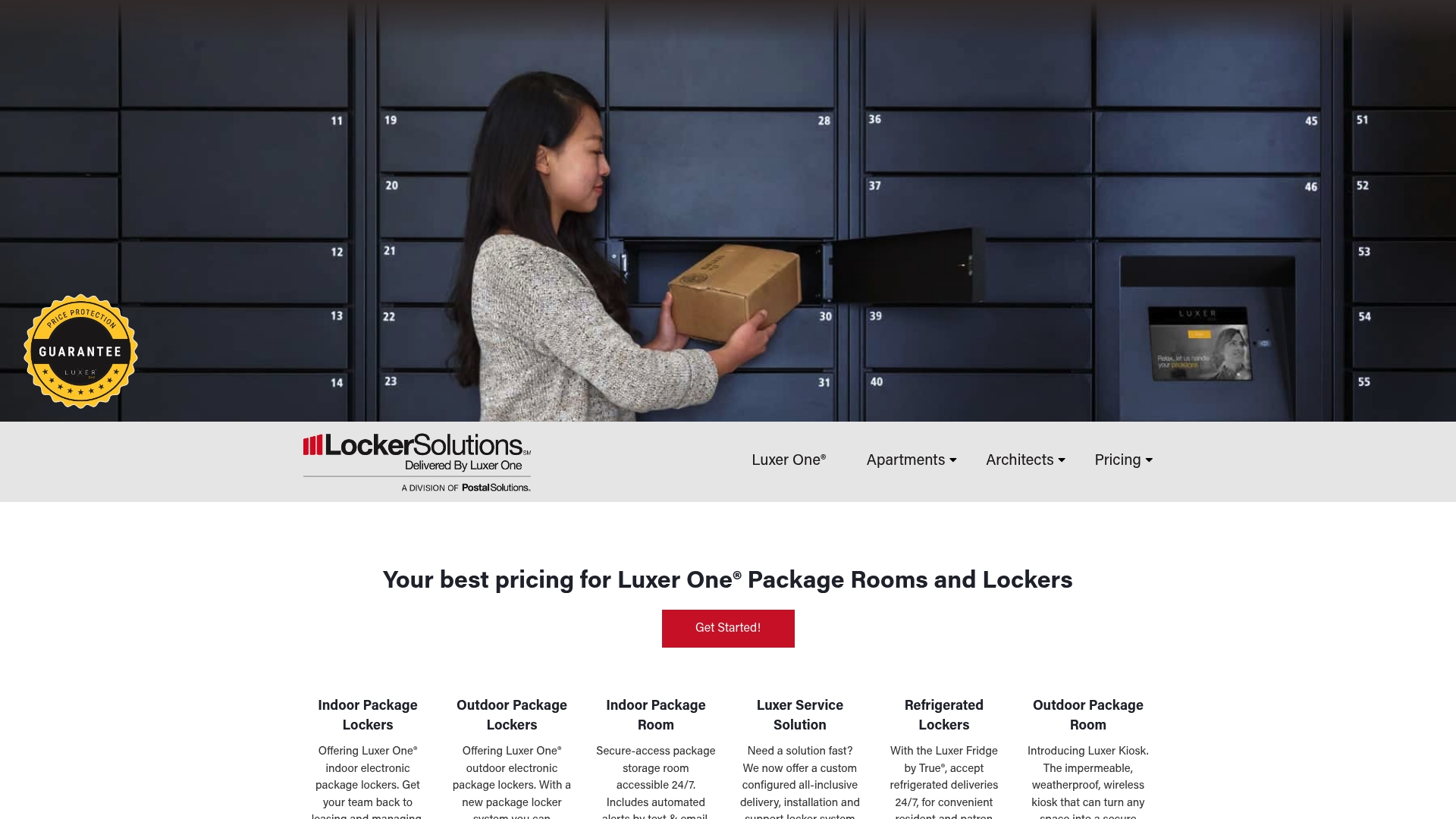
Locker Solutions’ Luxer One® systems include electronic access, automated resident alerts, and video surveillance, so drivers confirm delivery and move on. Property managers reduce staff workload, and residents get secure, convenient pickup on their own schedule. For properties handling high daily delivery volume, package room management from Locker Solutions turns a bottleneck into a smooth operation. Contact Locker Solutions to find the right configuration for your property.
FAQ
What is a pickup delivery driver?
A pickup delivery driver collects goods from a sender and delivers them to a recipient, using either a personal or company vehicle. The role ranges from gig-based parcel delivery to company-employed freight driving with CDL requirements.
How do I become a delivery driver with no experience?
Start with a gig-based local delivery role, which requires only a valid driver’s license and an insured personal vehicle. Most platforms onboard new drivers within days and provide app-based training.
What license do I need for delivery driver jobs?
Light-duty and gig roles require a standard state driver’s license. Freight and large-vehicle roles require a CDL Class A, and some positions add hazmat or double/triple trailer endorsements.
How much do pickup delivery drivers earn per hour?
Pay varies by role and employer. Company-employed drivers at retailers like Staples earn $21.75–$24.00 per hour on weekday daytime shifts, while gig drivers earn variable income based on order volume and tips.
What are the biggest challenges for delivery drivers?
Schedule pressure, traffic, weather, and physical fatigue are the top challenges. Drivers who plan routes in advance, document every delivery, and maintain their vehicle consistently perform better and avoid the most common income disruptions.
Recommended
Ready for a Luxer One® package locker quote?
Tell us your unit count and we'll send right-sized pricing with a fast response time.
Get my free quote