July 9, 2026
Insulated Locker Cabinet Technology: A Property Manager's Guide
Discover what insulated locker cabinet technology is and how it benefits property managers by transforming temperature-sensitive package delivery.
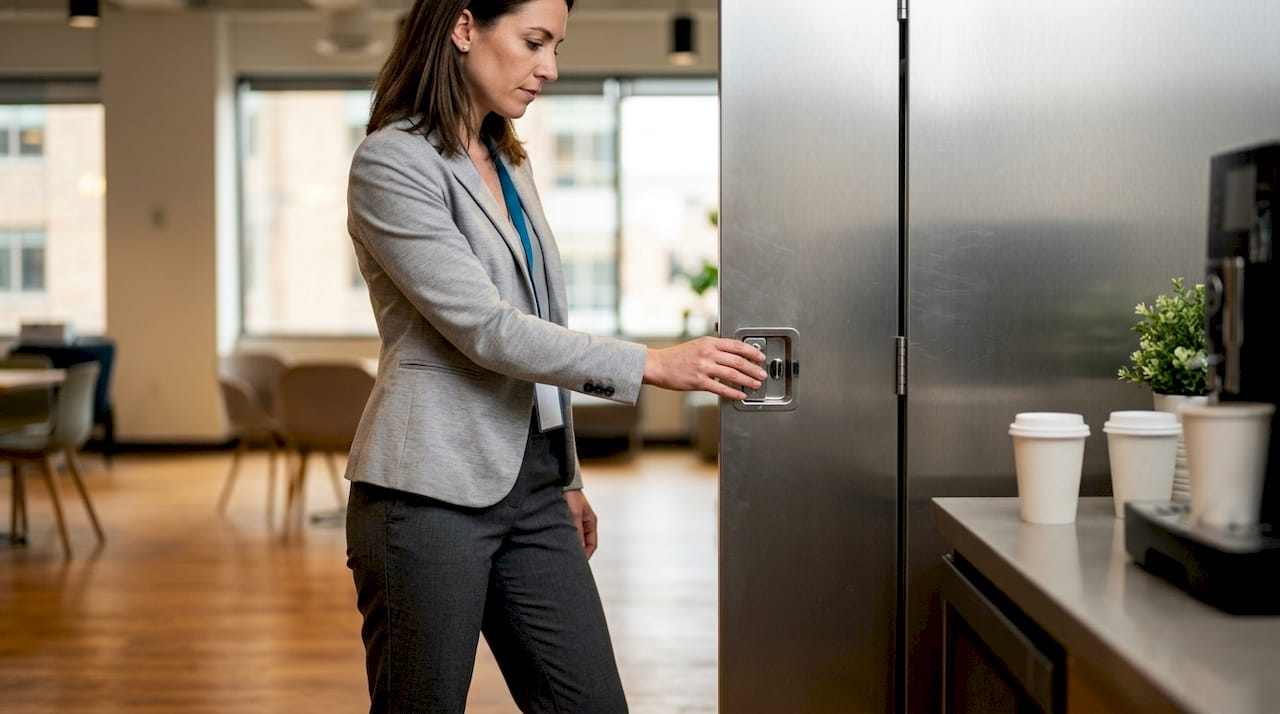
Insulated locker cabinet technology is defined as the integration of high-performance thermal insulation, airtight sealing systems, and smart electronic controls to maintain precise internal temperatures inside secure storage units. For property managers and developers, this technology directly addresses the growing demand for temperature-sensitive package delivery in multifamily residential settings. The global temperature-controlled locker market is projected to reach $3.2 billion by 2035, up from $1.24 billion in 2024. That growth reflects how central refrigerated and insulated storage solutions have become to modern apartment living.
What is insulated locker cabinet technology made of?
Insulated locker cabinet technology combines several physical and electronic systems working together. No single component carries the full load. The performance of the whole unit depends on how well each layer works with the others.
Core insulation materials and construction
The cabinet shell typically uses polyurethane foam injected between inner and outer steel panels. This foam process creates a continuous insulating layer with minimal gaps, which limits heat transfer through the walls. Some units use vacuum-insulated panels for thinner walls with higher thermal resistance, though these cost more and require careful handling during installation.
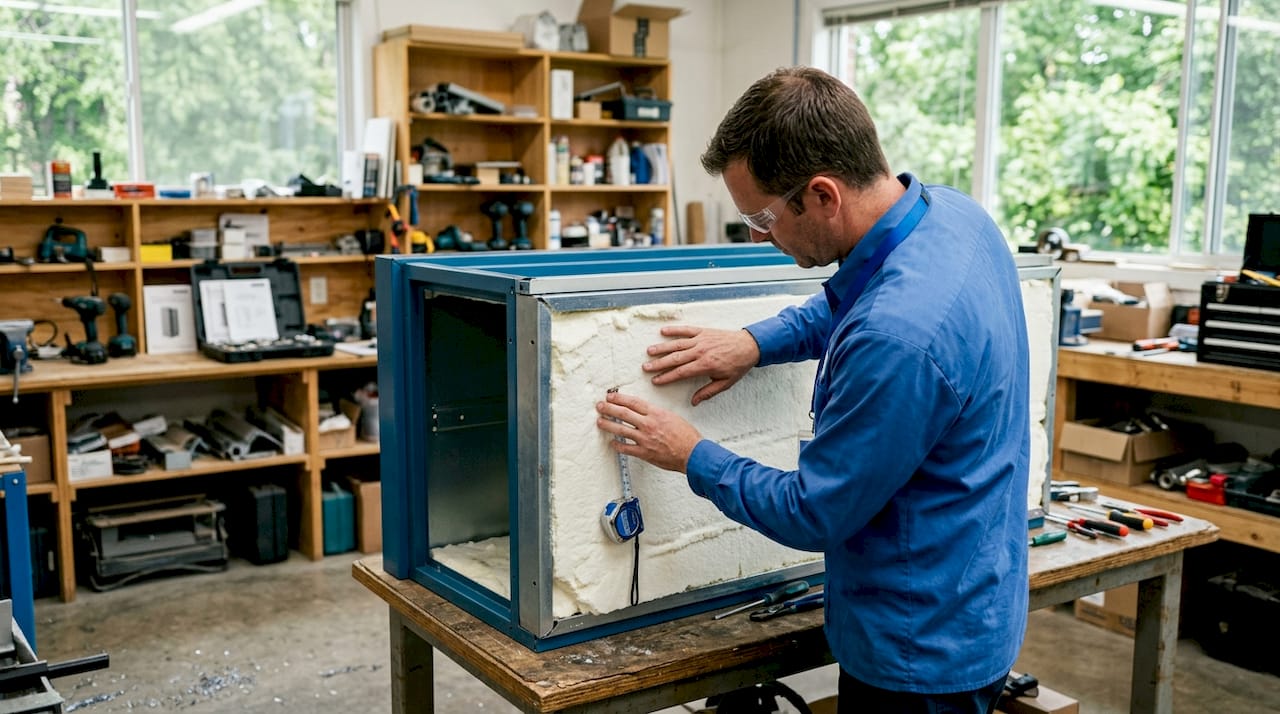
The framing around doors and compartment edges uses thermal break materials, usually rigid plastic or composite strips, to interrupt the metal-to-metal contact that would otherwise conduct heat directly through the structure. Thermal bridge quality matters more than raw insulation thickness in most real-world installations. A cabinet with a high R-value but poor thermal breaks will lose temperature faster than a thinner-walled unit built with proper framing.
Door seals and gasket systems
The door seal is the most critical single component in any insulated locker cabinet. A poor door seal causes faster temperature loss than inferior insulation in the walls. Magnetic gaskets compress against the door frame on closing, creating an airtight barrier that blocks warm air infiltration.
Property managers should inspect gasket condition during routine maintenance checks. A gasket that has hardened, cracked, or lost its magnetic pull will allow warm, humid air to enter the cabinet on every door opening. That moisture leads to condensation, mold growth, and compressor overwork, all of which shorten the unit’s service life.
Pro Tip: Run a dollar bill test on door gaskets every six months. Close the door on a bill and pull it out. If it slides free without resistance, the gasket needs replacement.
Compressors, sensors, and IoT integration
Active cooling units use inverter compressors that adjust their speed based on the internal temperature load rather than cycling fully on and off. This variable operation reduces energy draw and keeps temperatures more stable between door openings. Smart lockers integrate IoT software that provides real-time status monitoring, audit logs, and automated alerts, which are features that matter for compliance and resident trust.
Embedded temperature and humidity sensors feed data to the control board continuously. When a sensor detects a temperature drift outside the set range, the system can alert property staff before contents are compromised. Periodic sensor calibration is required to maintain accuracy, and this is a maintenance step that many property managers overlook until a complaint surfaces.
How does insulated locker cabinet technology maintain temperature?
The thermal management inside an insulated locker cabinet works through two mechanisms: passive resistance and active correction. Passive resistance comes from the insulation and seals, which slow heat transfer from the outside environment. Active correction comes from the compressor or heating element, which responds when the internal temperature drifts beyond the target range.
The balance between these two mechanisms determines energy consumption. A well-insulated cabinet with tight seals requires less active correction, which means the compressor runs fewer cycles per hour. Inverter compressors and smart defrost systems reduce energy usage by minimizing the compressor cycling needed to hold stable internal temperatures. Fewer cycles mean lower electricity costs and less mechanical wear over the unit’s lifetime.
Modern insulated smart lockers support four distinct operating modes:
- Freezer mode: Internal temperatures from -7.6°F to -1.5°F, designed for frozen food deliveries and pharmaceutical products requiring deep cold storage.
- Refrigerated mode: Internal temperatures from 34°F to 43°F, the standard range for fresh groceries, meal kits, and refrigerated medications.
- Ambient mode: Internal temperatures from 41°F to 77°F, used for packages that need protection from outdoor heat or cold without active refrigeration.
- Heating mode: Internal temperatures from 104°F to 131°F, applicable for certain medical supplies or food products that must stay warm during the delivery window.
These multi-mode temperature ranges give property managers flexibility to serve a wide range of resident delivery needs from a single locker bank. The food safety “danger zone” between 41°F and 135°F is where perishable goods spoil fastest. A properly calibrated insulated locker keeps contents outside that range from the moment of delivery until resident pickup.
Moisture management is a separate but related challenge. When warm, humid air enters a cold cabinet, it condenses on interior surfaces. Repeated condensation cycles cause corrosion, mold, and ice buildup that blocks airflow. Ignoring door gasket quality and moisture management can cause condensation, mold, and damage even in units with thick insulation. Smart defrost cycles and humidity sensors address this by detecting moisture buildup before it becomes a structural problem.
What are the key benefits of insulated locker cabinets for property managers?
The practical case for insulated locker cabinets rests on four outcomes: lower energy costs, better resident satisfaction, regulatory compliance, and long-term asset value.
-
Energy cost reduction: Advanced insulation and inverter compressors reduce the electrical load compared to older constant-speed refrigeration units. Property managers should view this as a lifecycle calculation, not a line-item expense. Insulated lockers are a long-term investment that reduces lifecycle costs by lowering energy bills, not just upfront expenses.
-
Resident satisfaction: Parcel lockers with temperature control increase resident satisfaction by securely storing perishable deliveries, reducing food waste and liability. A resident who receives a spoiled grocery order blames the property, not the carrier. Eliminating that failure point directly protects your reputation and lease renewal rates.
-
Compliance with food safety and medical standards: Properties that accept grocery and pharmacy deliveries on behalf of residents need storage that meets food safety requirements. Insulated lockers with calibrated sensors and audit logs provide the documentation trail that compliance requires.
-
Long-term asset value: Higher upfront costs for insulated units include the insulation materials and electronic monitoring components. Those costs are offset by reduced spoilage liability, lower staff intervention, and the amenity value that temperature-controlled delivery adds to a property’s leasing pitch.
What are the common applications of locker cabinet technology in multifamily settings?
Insulated locker cabinets serve several distinct use cases in apartment communities. The table below maps the most common deployment scenarios to their technical requirements.
| Application | Temperature mode | Key design requirement |
|---|---|---|
| Fresh grocery delivery | Refrigerated (34°F–43°F) | Airtight gaskets, humidity sensors |
| Frozen meal kit storage | Freezer (-7.6°F to -1.5°F) | Deep-cold compressor, insulated base |
| Refrigerated medication pickup | Refrigerated (34°F–43°F) | Audit log, IoT alerts, NSF7 compliance |
| Ambient package protection | Ambient (41°F–77°F) | Weatherproof shell, thermal break framing |
| Outdoor cold-climate installation | Ambient or refrigerated | Snow-resistant design, sealed electronics |
Grocery and meal kit delivery is the highest-volume use case at most urban and suburban properties. Residents increasingly expect the same next-day delivery experience for perishables that they get for standard parcels. A refrigerated locker bank positioned near the building entrance handles this demand without requiring staff to accept and refrigerate packages manually.
Medical delivery is a growing use case that carries higher compliance stakes. Insulin, specialty biologics, and other temperature-sensitive medications require documented cold chain continuity from the pharmacy to the patient. An insulated locker with IoT logging and automated resident alerts provides that chain of custody at the property level.
Outdoor installations require additional design considerations. Snow-resistant locker design addresses drainage, seal compression in freezing temperatures, and electronics protection in wet conditions. Outdoor humidity resistance is equally critical in humid climates, where moisture infiltration can compromise both the insulation and the electronic components over time.
Integration with automated package rooms extends the capability of individual insulated lockers into a managed system. A package room that combines ambient storage, refrigerated lockers, and a monitored access point gives property managers a single point of control for all delivery types.
The thermal system view: what I’ve learned from working with insulated lockers
The most common mistake I see property managers make is treating insulation as the whole solution. They specify a high R-value, approve the purchase, and assume the job is done. The unit arrives, gets installed, and within six months the compressor is running constantly, energy bills are up, and a resident is complaining about a spoiled delivery.
The root cause is almost always the door seal or the sensor calibration, not the insulation. High R-value alone is insufficient. Performance depends on minimizing thermal bridges and maintaining airtight magnetic door seals. That is a system problem, not a materials problem.
The second pattern I see is underestimating the value of IoT integration. Integrated monitoring sensors bring compliance benefits and resident confidence that go well beyond physical insulation. A property that can show a resident the temperature log for their medication delivery has a fundamentally different relationship with that resident than one that cannot. That data builds trust in a way that no marketing language can replicate.
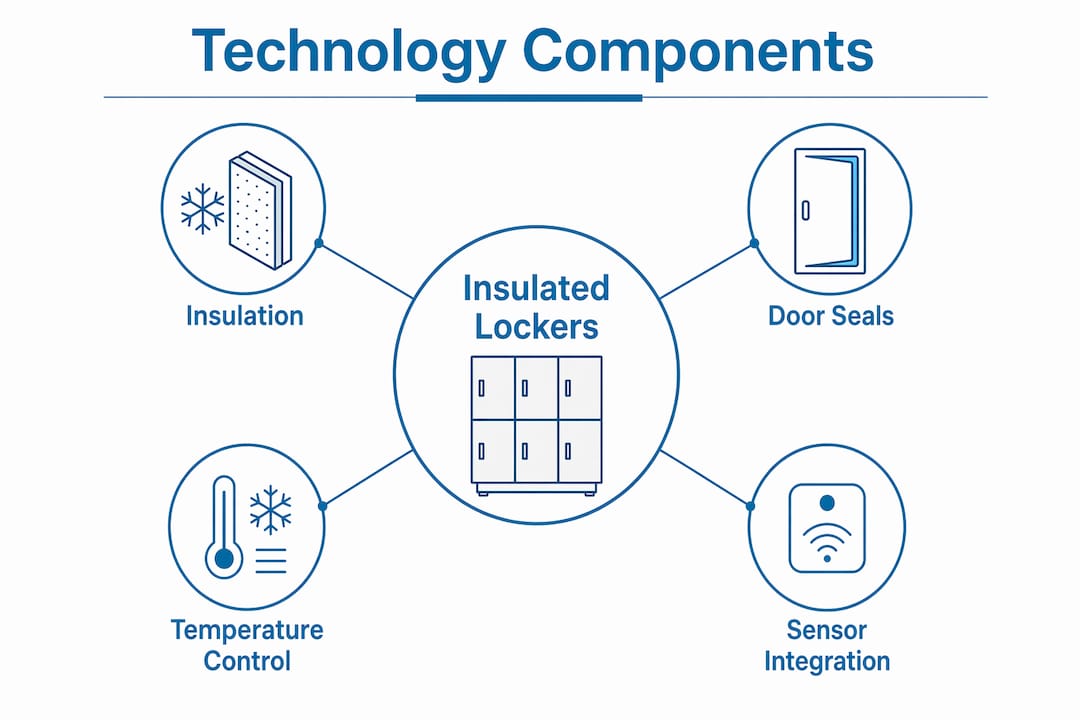
My honest recommendation: evaluate insulated locker cabinets as a thermal management system with four components: insulation, sealing, active temperature control, and sensor monitoring. If any one of those four is weak, the others cannot compensate. Buy accordingly, maintain all four, and the investment pays back in energy savings, resident retention, and reduced liability.
— Locker Solutions
Locker Solutions’ temperature-controlled options for your property
Property managers who want to move from understanding insulated locker cabinet technology to deploying it have a direct path with Locker Solutions. The Luxer One® product line covers refrigerated lockers for apartments, outdoor parcel locker systems, and fully monitored package rooms, all configurable for the specific climate and delivery volume of your property.
Locker Solutions also offers monitored package room management that combines temperature-controlled storage with unified access control and real-time oversight. Every unit ships with IoT-enabled monitoring and automated resident alerts built in. Whether you manage a 50-unit building or a 500-unit community, the system scales to your footprint without requiring additional staff. Request a quote to get a configuration matched to your property’s delivery profile.
FAQ
What is insulated locker cabinet technology?
Insulated locker cabinet technology is the use of thermal insulation materials, airtight door seals, and electronic temperature controls to maintain stable internal temperatures inside secure storage units. It protects temperature-sensitive packages from the moment of delivery until resident pickup.
What temperature ranges do insulated lockers support?
Modern insulated smart lockers support freezer mode (-7.6°F to -1.5°F), refrigerated mode (34°F to 43°F), ambient mode (41°F to 77°F), and heating mode (104°F to 131°F), covering most residential delivery needs.
How does insulation reduce energy costs in locker cabinets?
Better insulation and airtight seals reduce heat gain inside the cabinet, which means the compressor runs fewer cycles to hold the target temperature. Inverter compressors amplify this effect by adjusting their speed rather than switching fully on and off.
What maintenance do insulated locker cabinets require?
Door gaskets need regular inspection and replacement when they lose compression or magnetic pull. Temperature and humidity sensors require periodic calibration to maintain accuracy and meet food safety or medical storage standards.
Are insulated lockers worth the higher upfront cost?
The higher upfront cost covers insulation materials and electronic monitoring components, but lower energy bills, reduced spoilage liability, and improved resident satisfaction offset that investment over the unit’s service life.
Key Takeaways
Insulated locker cabinet technology requires four integrated components: insulation, airtight sealing, active temperature control, and IoT sensor monitoring. No single component can compensate for a weakness in the others.
| Point | Details |
|---|---|
| System over materials | High R-value insulation alone is insufficient; door seals and thermal breaks determine real-world performance. |
| Multi-mode flexibility | Modern units cover freezer, refrigerated, ambient, and heating modes from a single locker bank. |
| IoT monitoring adds compliance value | Real-time sensor logs and automated alerts provide the documentation trail that food safety and medical standards require. |
| Lifecycle cost framing | Higher upfront costs are offset by lower energy bills, reduced spoilage liability, and resident retention gains. |
| Maintenance drives longevity | Gasket inspection and sensor calibration every six months prevent the compressor overwork and mold damage that shorten unit life. |
Recommended
- Smart Lockers for Property Managers: 2026 Guide — Locker Solutions Blog
- Snow-Resistant Locker Design: A Guide for Developers — Locker Solutions Blog
- Weatherproof lockers for smarter multifamily package management - Luxer One Locker Solutions
- Apartment locker setup guide: maximize efficiency now - Luxer One Locker Solutions
Ready for a Luxer One® package locker quote?
Tell us your unit count and we'll send right-sized pricing with a fast response time.
Get my free quote