May 22, 2026
What Is Electronic Package Management for Properties
Discover what is electronic package management and how it streamlines deliveries in multifamily properties, enhancing efficiency and resident satisfaction.
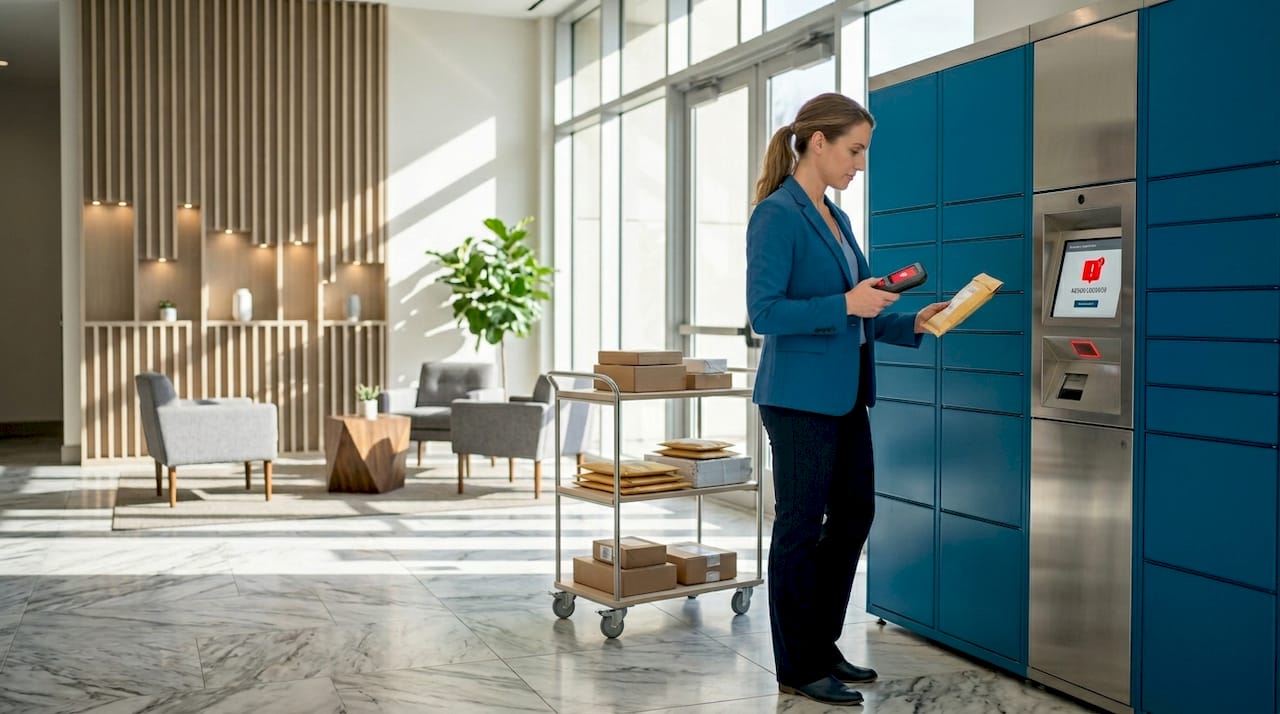
Package volumes in multifamily housing have surged to the point where front desk staff spend hours each week logging, sorting, and tracking deliveries. Missed pickups, lost parcels, and frustrated residents become daily problems. Understanding what is electronic package management gives property managers a clear path out of that chaos. This guide explains the core components, how these systems work in practice, what types of solutions exist, and the measurable benefits you can expect when you replace manual processes with a digital approach.
Table of Contents
- Key takeaways
- What electronic package management actually is
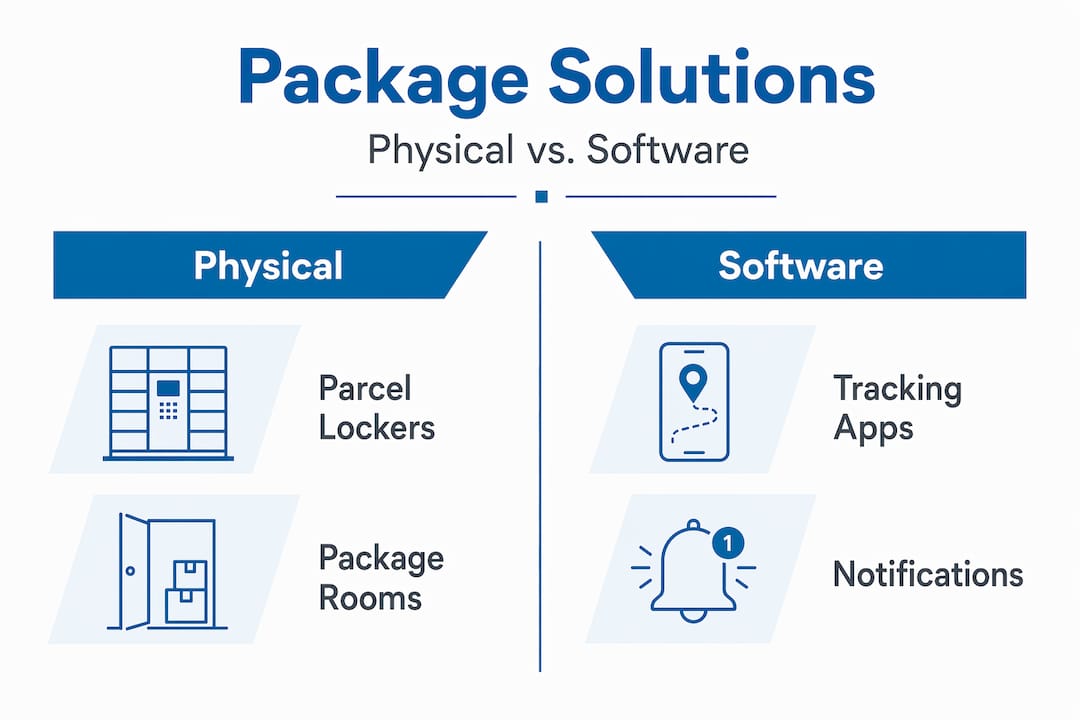
- Types of digital package management solutions
- How electronic package management works in practice
- The real benefits of electronic package management
- Best practices for implementing electronic package management
- My take on what most property managers get wrong
- How Locker-solutions can solve your package management challenges
- FAQ
Key takeaways
| Point | Details |
|---|---|
| Definition matters | Electronic package management combines hardware and software to automate every step from delivery to resident pickup. |
| Multiple system types exist | Smart lockers, automated rooms, and software platforms each suit different property sizes and staffing models. |
| Resident experience improves | Automated notifications and 24/7 self-service access eliminate the frustration of missed deliveries. |
| Staff time is recovered | Automating intake and notification tasks frees your team to focus on higher-value resident interactions. |
| Implementation takes planning | Sizing your system correctly and training both staff and residents determines whether adoption succeeds or stalls. |
What electronic package management actually is
Electronic package management refers to the combination of hardware and software systems designed to handle the full lifecycle of a package delivery at a residential or commercial property. It replaces the clipboard, the sticky note on a door, and the front desk staff member who manually logs every box that arrives.
At its core, the system connects four functions: receiving a package from a carrier, storing it securely, notifying the resident, and confirming pickup. Each step creates a digital record. That documentation matters more than most property managers realize, because electronic records serve as proof of delivery and acceptance under the federal E-SIGN Act, giving them the same legal standing as a handwritten signature.
The specific components that make up a digital package management solution typically include:
- Smart hardware. Lockers, package rooms, or kiosks that physically receive and hold deliveries.
- Management software. A platform that logs every package, tracks its status in real time, and stores delivery data.
- Resident notifications. Automated alerts by text, email, or app that tell residents a package has arrived and how to retrieve it.
- Carrier integration. Tools that let couriers deposit packages without involving a staff member, including barcode scanners and keypad access.
- Analytics dashboards. Reporting tools that show delivery volume trends, peak times, and system usage.
One specific example of a digital delivery authorization tool is USPS Electronic Signature Online, commonly called eSOL. eSOL allows residents to pre-sign for eligible Priority Mail Express, Signature Confirmation, and insured packages over $500 directly through the USPS Informed Delivery dashboard. That authorization lets the carrier leave the package without requiring anyone to be physically present. It is a narrow but useful piece of the broader electronic package management picture, particularly for properties that want to reduce contact between couriers and staff.
Types of digital package management solutions
Property managers are not choosing between just one or two products. The market now offers a spectrum of digital package management solutions, and the right fit depends heavily on your building’s size, layout, and daily delivery volume.
| Solution type | Key features | Best for |
|---|---|---|
| Smart parcel lockers | Secure individual compartments, self-service access codes, 24/7 availability | Properties with 50 to 300+ units, high package volume |
| Automated package rooms | Single secured room with tracking dashboard, real-time monitoring | Larger communities, bulk delivery volume |
| Software-only platforms | Electronic signature capture, delivery logging, resident alerts via app | Properties with existing secure storage or concierge staff |
| Weatherproof outdoor kiosks | All-weather locker systems, contactless delivery, video surveillance | Properties with outdoor delivery zones or gated communities |
Parcel lockers are scalable systems that handle anywhere from 30 to over 300 packages per day, with modular designs that let you expand compartments as volume grows. That scalability is what makes them the most popular choice across mid-size and large apartment communities.
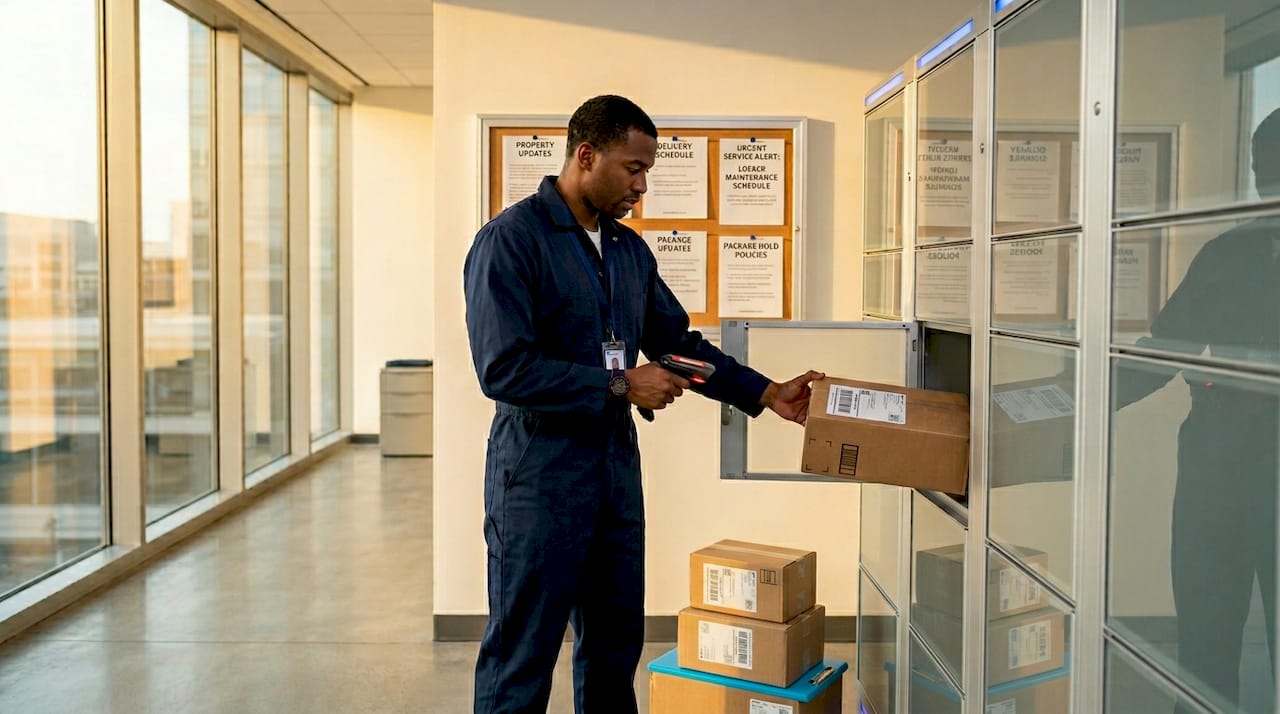
Automated package rooms operate differently. Instead of individual lockers, an entire secured room accepts deliveries. Carriers use a one-time access code to enter, deposit packages, and leave. The real-time dashboards integrated into these systems let property managers monitor delivery volume and system health without physically checking the room.
Software-only platforms occupy a different niche. They work best when a property already has physical storage handled and just needs better tracking, notification, and documentation. Think of them as the logistics layer without the hardware.
Pro Tip: Before you commit to a system type, run a two-week count of daily package arrivals by carrier. Most properties underestimate volume by 30 to 40 percent, which leads to undersized installations and overflow problems within the first year.
How electronic package management works in practice
Walk through a typical delivery day at a property running a full electronic system, and the efficiency becomes obvious.
- Carrier arrives. The courier scans a barcode or enters an access code at the locker or package room entrance. No staff member needs to be present.
- Package is deposited. The system logs the deposit automatically, recording the carrier, time, and compartment or zone used.
- Resident is notified. Within minutes, the resident receives a text or app alert with a unique retrieval code. No more waiting to find out if a package arrived.
- Resident picks up. Using the code, the resident accesses their compartment or the package room at any hour, seven days a week. The system logs the pickup and closes the transaction.
- Record is created. Every step generates a digital audit trail. If a dispute arises about a delivery, property staff can pull the full record in seconds.
For properties using USPS eSOL, there is one timing detail that can trip up residents. The digital signature must be applied before the package receives its “Out for Delivery” scan. If a resident misses that window, USPS requires a physical signature at delivery, which defeats the purpose of the electronic authorization. Property managers who include this instruction in their resident onboarding materials save themselves a lot of service calls.
The enrollment side of eSOL also involves a rigorous identity verification process that includes Knowledge-Based Authentication. Residents should know this before they start. Setting that expectation upfront prevents confusion during signup.
Pro Tip: Create a one-page “Package Pickup Guide” for new residents during move-in. Cover how to retrieve packages, how to use any USPS digital signature tools, and who to contact if a package shows as delivered but is not in the system. That single document cuts inbound maintenance tickets dramatically.
The real benefits of electronic package management
The benefits of electronic package management go beyond convenience. They translate into measurable operational and financial gains that property managers can point to when justifying the investment.
Manual package handling consumes significant staff time and introduces errors and liability risks that automated systems eliminate. Here is where those savings actually show up:
- Labor reduction. Staff no longer spend time logging arrivals, hunting for misplaced packages, or fielding “where is my delivery?” calls. Those hours shift back to leasing, maintenance, and resident relations.
- Loss prevention. Every delivery creates a timestamped record tied to a specific compartment. Package theft or misplacement becomes traceable rather than just frustrating.
- Resident satisfaction. Twenty-four-hour pickup access removes the constraint of office hours. Residents who work unconventional schedules or travel frequently stop penalizing properties in reviews for delivery problems.
- Liability reduction. Digital documentation trails protect the property from claims about missing or damaged packages. You have a record showing exactly when something arrived and when it was retrieved.
- Amenity appeal. Properties with smart package solutions consistently rank higher in resident satisfaction surveys than those without. New residents increasingly view this as a baseline expectation, not a premium feature.
- Scalable analytics. Built-in analytics track delivery volume and usage trends, giving property managers data to plan staffing levels and anticipate when system capacity needs to expand.
The security and convenience of 24/7 locker access also reduces the pressure on front desk operations at peak times, which is typically late afternoons and weekends when delivery volumes spike.
Best practices for implementing electronic package management
Getting the system right from day one requires more planning than most property managers expect. The technology is not the hard part. The hard part is sizing, adoption, and long-term management.
- Size your system to realistic peak volume, not average volume. A system that works fine on a Tuesday will fail on the Monday after a holiday weekend. Build in at least 20 percent overflow capacity.
- Train staff before launch, not during. Run a full simulation of the delivery and retrieval workflow before going live. Staff who are uncertain in front of residents undermine confidence in the system.
- Communicate proactively with residents. Send a welcome email, post instructions near the lockers, and include package pickup guidance in your lease packet. Adoption rates are far higher when residents understand the system before they need it.
- Address the USPS eSOL timing window explicitly. The electronic signature must be applied before the “Out for Delivery” scan. This is a narrow window that confuses many residents. Include this in any resident communication about digital signature tools.
- Plan for system maintenance from the start. Ask vendors about average uptime, response times for repairs, and what happens if the system goes offline during a high-volume period.
- Choose a vendor with proven scalability. Your 150-unit building today may become a 300-unit community in three years. A system that cannot grow with you will cost more to replace than it saved.
“The number one implementation mistake I see is property teams choosing a system based on upfront cost alone. A locker system that maxes out at 50 compartments for a building that will receive 80 packages a day in two years is not a savings. It is a deferred problem.”
My take on what most property managers get wrong
I’ve worked through enough package management conversations with property teams to know where the thinking usually breaks down. Most managers understand the concept of what is electronic package management when they first encounter it. What they consistently underestimate is the resident behavior change that comes with it and how much that shapes whether the system actually delivers on its promise.
Here is what I’ve seen repeatedly: properties install a quality locker system, do minimal resident onboarding, and then spend the next six months fielding complaints that “the system is confusing.” The technology isn’t the issue. The communication plan is. In my experience, the properties that see the highest satisfaction gains treat the launch like a product release, with clear instructions, visible signage, and a follow-up email two weeks after go-live addressing the most common questions.
I also think too many property managers look at multifamily technology adoption as a one-time decision rather than an ongoing management responsibility. The best systems require periodic review of capacity, carrier access protocols, and resident feedback. The managers who treat electronic package management as a living part of their operation rather than a box to check are the ones who get compounding returns from the investment over time.
— Craig
How Locker-solutions can solve your package management challenges
Ready to move from manual package chaos to a system that works around the clock? Locker-solutions offers Luxer One® indoor and outdoor smart package lockers and automated package rooms for multifamily properties of every size. Whether you manage a boutique 40-unit community or a large-scale apartment complex handling hundreds of deliveries per day, Locker-solutions has a configuration built for your volume and layout.
Each system includes automated resident notifications, video surveillance, carrier integration, and analytics reporting. Locker-solutions also handles national installation of indoor smart lockers with rapid deployment timelines and ongoing maintenance support, so your team is never left managing a system issue alone. Explore the full range of Luxer One package solutions or connect with the Locker-solutions team to get a configuration recommendation tailored to your property’s delivery volume and resident expectations.
FAQ
What is electronic package management in multifamily housing?
Electronic package management is a system of hardware and software that automates the receiving, storing, tracking, and retrieval of resident packages. It replaces manual front-desk logging with smart lockers, automated notifications, and digital delivery records.
How does electronic package management work?
Carriers deposit packages into a secure locker or package room using an access code. The system automatically notifies the resident with a retrieval code and logs the full transaction, creating a digital record from delivery to pickup.
What are the main benefits of electronic package management?
The primary benefits include reduced staff labor, lower package loss and theft, 24/7 resident pickup access, automated notifications, and a digital audit trail that protects the property from liability disputes.
What is USPS eSOL and how does it relate to package management?
USPS eSOL is an electronic signature tool that lets residents pre-authorize package delivery without being present. It applies to eligible USPS packages and works alongside locker systems as part of a contactless delivery strategy.
How do I choose the right electronic package management system?
Base your decision on daily peak delivery volume, property size, carrier mix, and your available installation space. Systems are scalable from properties receiving 30 packages per day up to 300 or more, so matching capacity to realistic peak demand is the most critical factor.
Recommended
Ready for a Luxer One® package locker quote?
Tell us your unit count and we'll send right-sized pricing with a fast response time.
Get my free quote